Autumn is the perfect season to embrace the pumpkin patch tradition, whether you’re planning a harvest for pies, decorations, or Halloween fun. Growing pumpkins may seem intimidating for beginners, but with the right techniques, anyone can cultivate a thriving pumpkin patch. These 6 pumpkin patch gardening tips for beginners will guide you through the process, from soil preparation to harvest, ensuring a bountiful and beautiful fall display.
Why Growing Your Own Pumpkin Patch Is Worth It
Starting a pumpkin patch has more benefits than just creating a seasonal display. Here’s why every beginner gardener should try it:
- Fresh, Organic Produce: Homegrown pumpkins are fresher and tastier than store-bought options.
- Decorative Fun: Pumpkins can double as autumn décor, Halloween props, or festive centerpieces.
- Gardening Experience: Cultivating pumpkins teaches valuable lessons in soil management, watering, and plant care.
- Family Activity: A pumpkin patch provides a fun, hands-on experience for kids and adults alike.
- Health Benefits: Gardening encourages outdoor activity and reduces stress, while pumpkins are nutritious and versatile in cooking.
With these advantages, starting a pumpkin patch is both rewarding and seasonal.
1. Choose the Right Pumpkin Variety
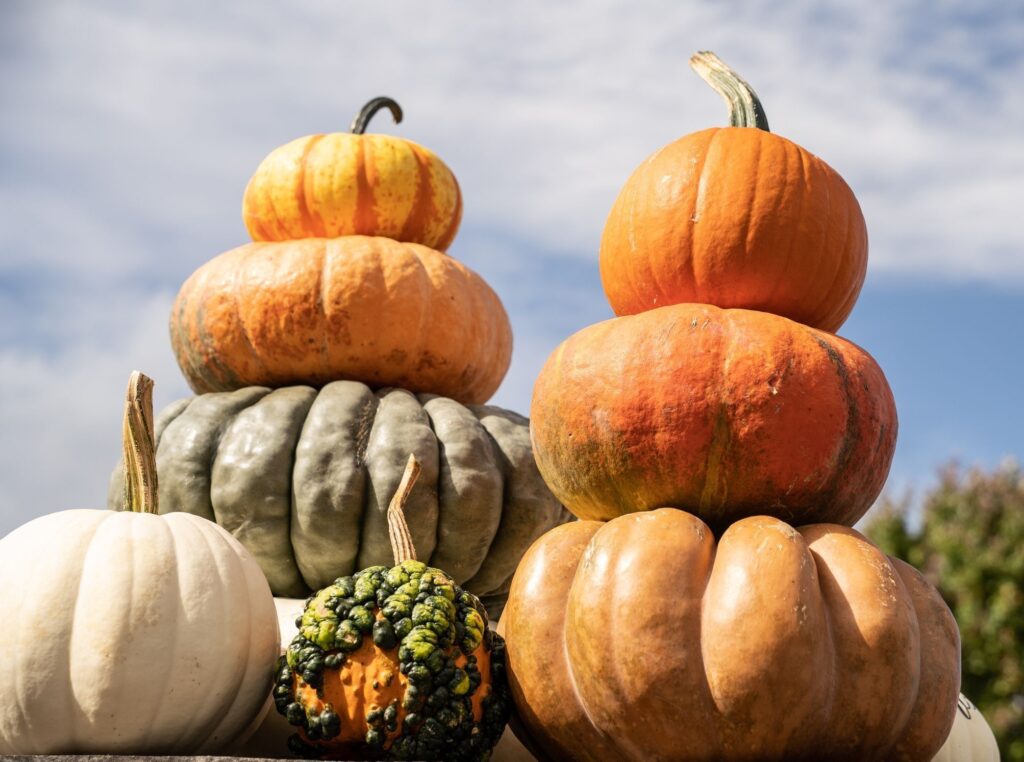
The first step in a successful pumpkin patch is selecting the best variety for your goals.
- Types of Pumpkins:
- Jack-o’-Lantern Pumpkins: Perfect for Halloween carving.
- Pie Pumpkins: Smaller, sweeter varieties ideal for baking.
- Giant Pumpkins: Great for garden showcases or contests.
- Ornamental Pumpkins: Unique colors and shapes for decoration.
Tip for Beginners: Choose smaller or medium-sized varieties first, as they are easier to manage and mature faster.
Selecting the right type ensures that your pumpkin patch aligns with your intended use and garden space.
2. Prepare Your Soil Properly
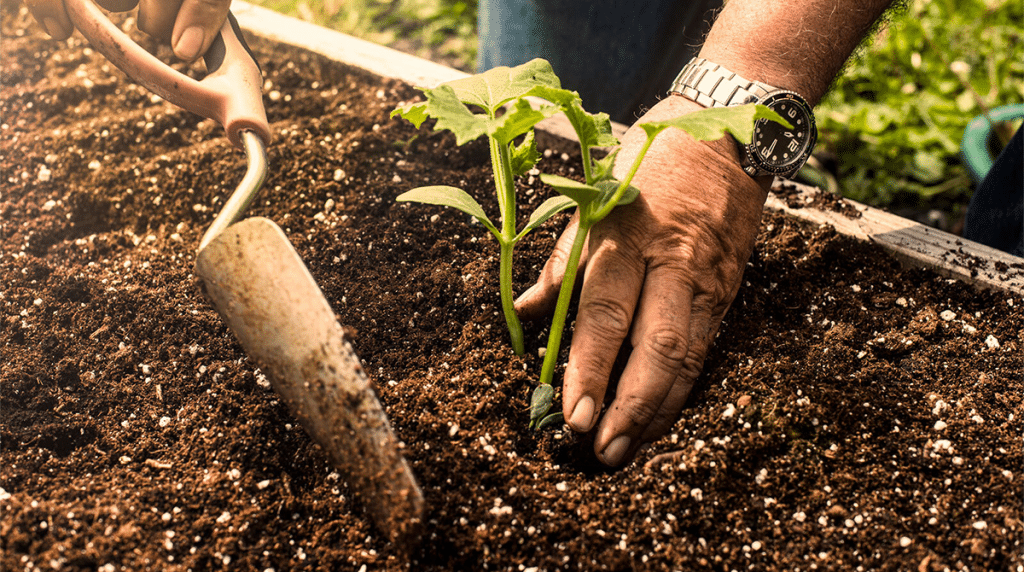
Pumpkins thrive in rich, well-draining soil with plenty of organic matter.
- Steps to Prepare Soil:
- Choose a location with full sun exposure (at least 6–8 hours daily).
- Loosen soil to a depth of 12–15 inches for proper root growth.
- Mix in compost or aged manure to enrich the soil.
- Test soil pH; pumpkins prefer slightly acidic to neutral soil (6.0–7.0 pH).
Pro Tip: Raised beds or mounds work well for pumpkins, providing good drainage and preventing rot.
Proper soil preparation ensures healthy growth and larger, more vibrant pumpkins.
3. Planting Seeds or Seedlings
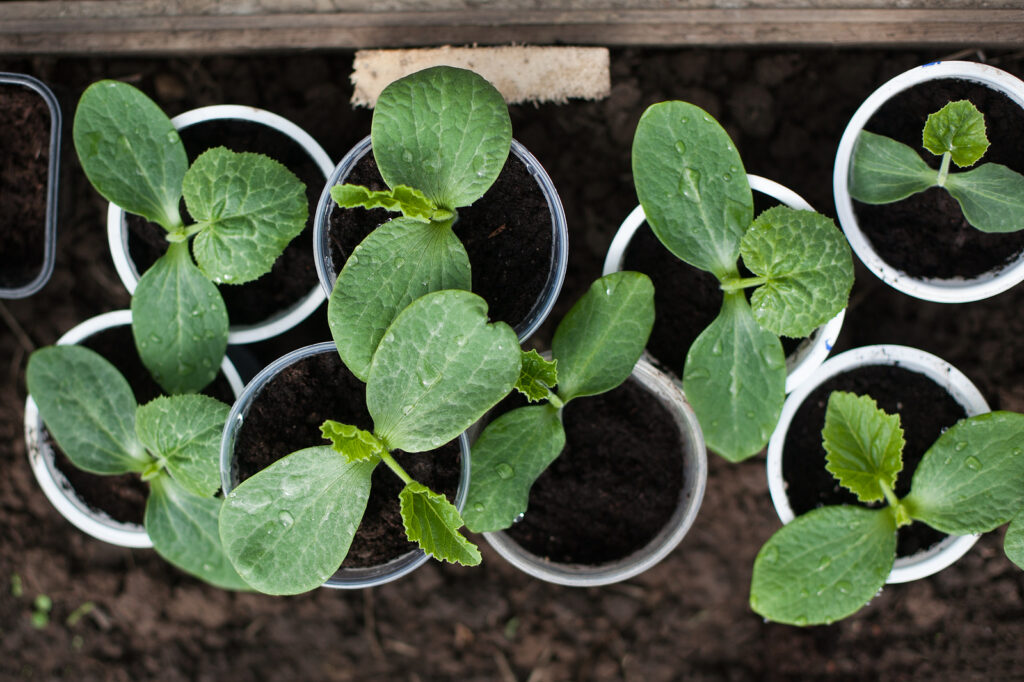
Timing and spacing are crucial for a productive pumpkin patch.

- When to Plant:
- Start seeds 2–4 weeks after the last frost in your region.
- In colder climates, begin seeds indoors 3–4 weeks early.
- Planting Tips:
- Sow seeds 1 inch deep directly into the soil.
- Space seeds or seedlings 3–5 feet apart to allow room for sprawling vines.
- Water thoroughly after planting.
Pro Tip: Use row covers or small cages to protect seedlings from pests like birds and rabbits.
Correct planting ensures strong root systems and robust vines for maximum yield.
4. Watering and Mulching Techniques
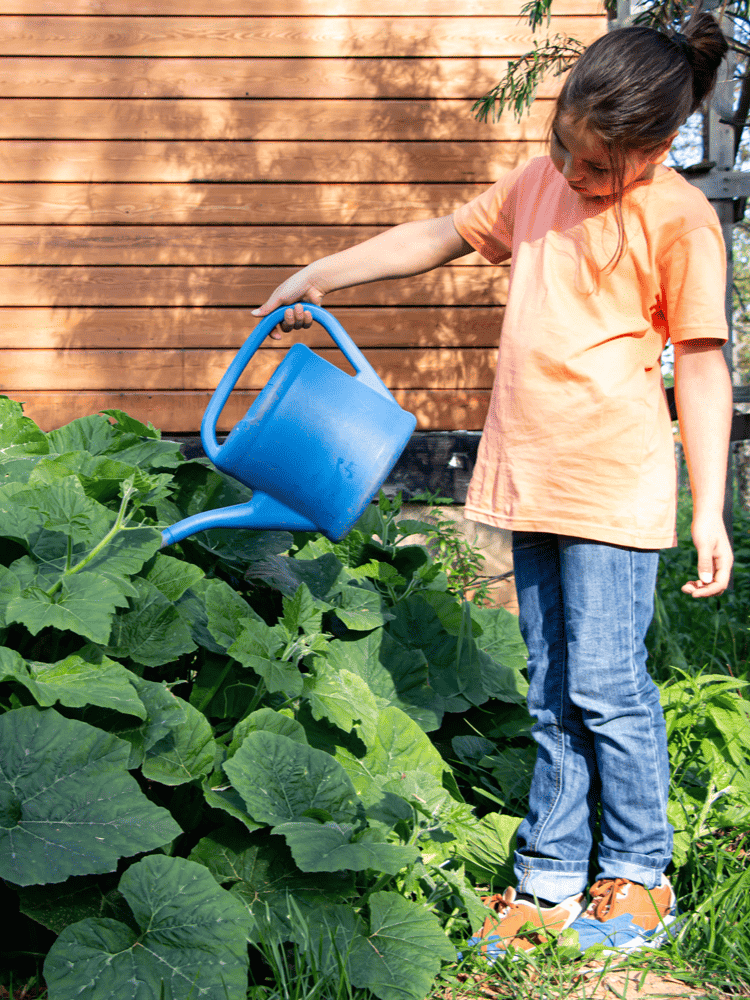
Pumpkins need consistent moisture, but overwatering can lead to root rot or disease.
- Watering Tips:
- Water deeply 1–2 times per week, depending on rainfall.
- Focus on the soil around the base, avoiding wetting the leaves to prevent fungal issues.
- Mulching Tips:
- Apply straw, leaves, or organic mulch around the base of plants.
- Mulch helps retain moisture, regulate soil temperature, and reduce weeds.
Pro Tip: Use a drip irrigation system for efficient, consistent watering, which is especially helpful for beginners.
Proper watering and mulching practices support healthy growth and prevent common pumpkin problems.

5. Pest and Disease Management
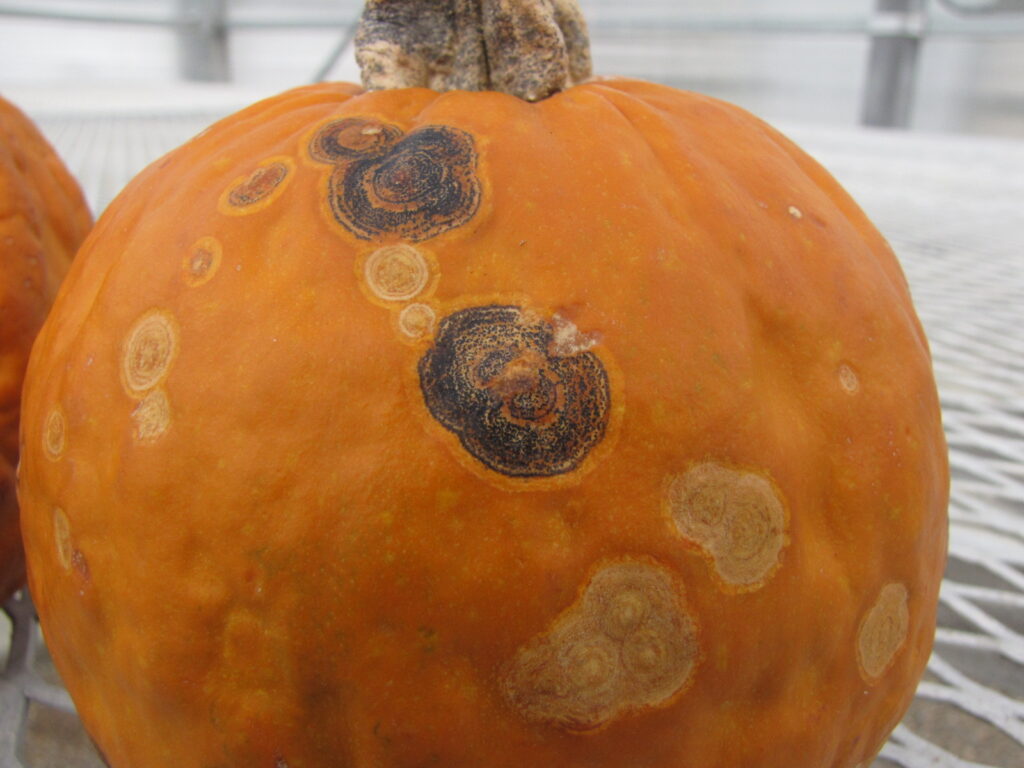
Pumpkins are susceptible to pests and diseases, but proactive management keeps them healthy.
- Common Pests:
- Squash bugs
- Aphids
- Cucumber beetles
- Common Diseases:
- Powdery mildew
- Downy mildew
- Anthracnose
Prevention Tips:
- Rotate crops yearly to reduce soil-borne diseases.
- Use companion planting, like marigolds or nasturtiums, to deter pests.
- Apply organic fungicides or neem oil if necessary.
Pro Tip: Inspect plants regularly and remove damaged leaves promptly to prevent spreading infections.
Effective pest and disease management ensures a thriving pumpkin patch and higher yields.
6. Harvesting and Storing Pumpkins
Knowing when and how to harvest is key to enjoying your hard work.
- Harvesting Tips:
- Pick pumpkins when they are fully colored and the rind is hard.
- Use a sharp knife or pruning shears to cut the pumpkin from the vine, leaving 2–3 inches of stem.
- Avoid carrying pumpkins by the stem alone to prevent damage.
- Storing Tips:
- Cure pumpkins in a warm, dry place for 7–10 days.
- Store in a cool, dry area to extend shelf life for months.
Pro Tip: Pumpkins can be used for decorating, cooking, or as gifts, making them a versatile harvest.
Bonus Tips for Beginner Pumpkin Gardeners
- Start Small: Begin with a few plants to learn the basics without feeling overwhelmed.
- Track Growth: Keep a journal of planting dates, watering, and observations to improve future patches.
- Decorate Early: Use pumpkins for autumn décor before Halloween to enjoy their beauty.
- Use Natural Supports: Cornstalks or trellises can help support vines if space is limited.
- Incorporate Pollinators: Plant flowers nearby to attract bees and beneficial insects for better fruit set.
- Enjoy the Process: Gardening is a fun, educational, and relaxing activity—don’t stress over perfection.
These tips help beginner gardeners build confidence, improve results, and fully enjoy the pumpkin-growing experience.
Conclusion
Starting a pumpkin patch may seem challenging, but with the right approach, any beginner gardener can succeed. By following these 6 pumpkin patch gardening tips—choosing the right variety, preparing soil, planting correctly, watering and mulching, managing pests, and harvesting properly—you can cultivate a thriving, vibrant patch.
Whether your goal is Halloween decorations, seasonal recipes, or just the joy of gardening, these tips will help you grow healthy pumpkins and enjoy a fruitful autumn harvest.
Embrace the season, get your hands in the soil, and transform your yard into a stunning pumpkin patch that delights family, friends, and neighbors alike. With a little care and planning, your fall garden will become a highlight of the season.