Thanksgiving is the perfect time to celebrate gratitude, family, and the beauty of nature, and your garden can be a central part of that celebration. Embracing sustainable gardening practices not only helps the environment but also enhances the beauty, productivity, and resilience of your outdoor space. By adopting eco-friendly methods, you can create a garden that reflects the spirit of Thanksgiving—abundant, mindful, and in harmony with nature.
This guide explores 5 sustainable gardening ideas for the Thanksgiving season, tailored for American gardeners looking to combine eco-conscious practices with seasonal charm. These tips are practical, creative, and family-friendly, ensuring your garden is both festive and environmentally responsible.
Why Sustainable Gardening Matters During Thanksgiving
Sustainable gardening is about working with nature rather than against it, ensuring your garden thrives while minimizing environmental impact. During Thanksgiving, sustainability has additional significance:
- Celebrate Abundance Responsibly: Use natural resources wisely while enjoying the season’s bounty.
- Reduce Waste: Composting, recycling, and repurposing materials keep your garden eco-friendly.
- Support Local Ecosystems: Planting native species benefits pollinators, birds, and other wildlife.
- Enhance Long-Term Productivity: Sustainable practices improve soil, water retention, and plant health.
- Connect with Family and Nature: Encourage kids and adults alike to appreciate and care for the environment.
By integrating these practices into your Thanksgiving preparations, your garden becomes a model of mindful abundance, reflecting the values of the holiday.
1. Compost Your Thanksgiving Leftovers
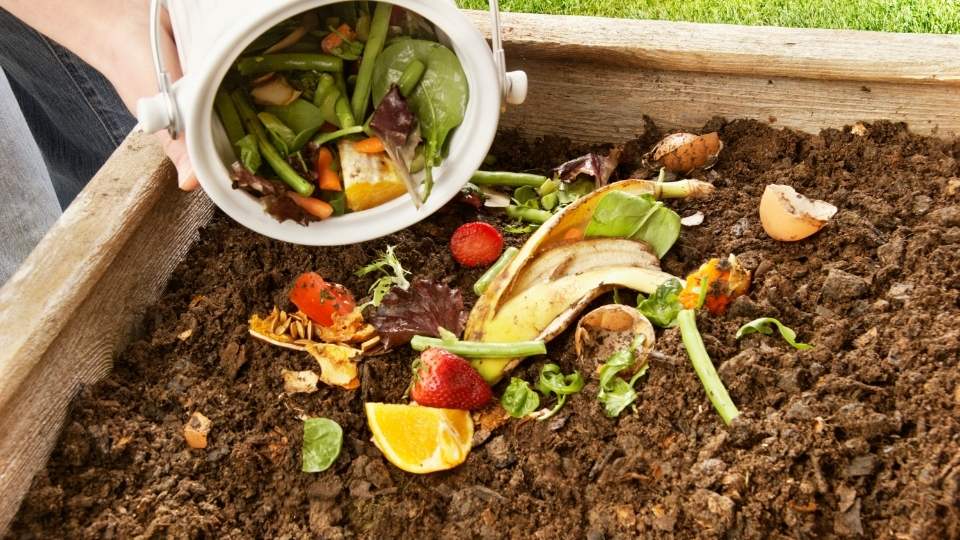
Composting is one of the simplest and most effective ways to practice sustainable gardening, turning kitchen scraps into nutrient-rich soil.
How to Do It:
- Collect vegetable peels, fruit scraps, coffee grounds, eggshells, and other compostable materials.
- Avoid meat, dairy, and oily foods, which can attract pests.
- Layer “green” materials (kitchen scraps) with “brown” materials (leaves, straw, shredded paper).
- Turn the compost regularly to aerate and speed up decomposition.
Thanksgiving Tip: After your feast, compost pumpkin scraps, leftover vegetables, and even the corncobs for enriched soil next spring.
Why It Works: Composting reduces waste, enriches your garden soil, and supports sustainable growth, making your Thanksgiving garden more productive and eco-friendly.
2. Plant Native Flowers and Herbs
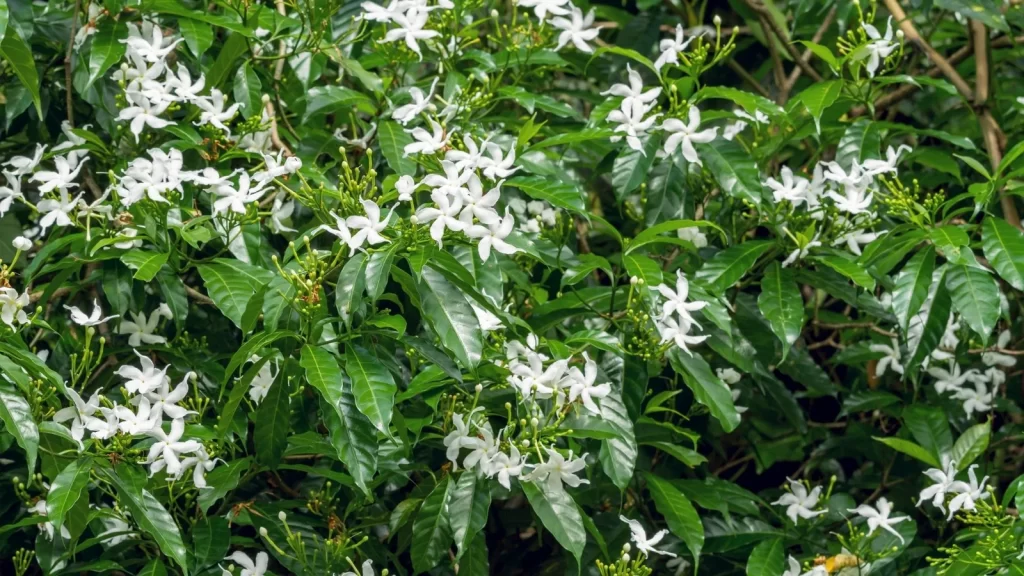
Native plants are naturally adapted to local climates and require less water, fertilizer, and maintenance, making them perfect for sustainable gardens.

How to Do It:
- Identify native flowers, shrubs, and herbs suitable for fall planting in your region.
- Plant them in garden beds or containers with well-drained soil.
- Group plants with similar water and light requirements for efficiency.
- Include pollinator-friendly plants such as asters, goldenrod, or sage to support bees and butterflies.
Thanksgiving Tip: Use harvested herbs in your holiday meals or as fragrant décor for your table and garden.
Why It Works: Native plants conserve resources, attract wildlife, and enhance garden biodiversity, creating a vibrant, low-maintenance Thanksgiving garden.
3. Reuse and Upcycle Garden Materials
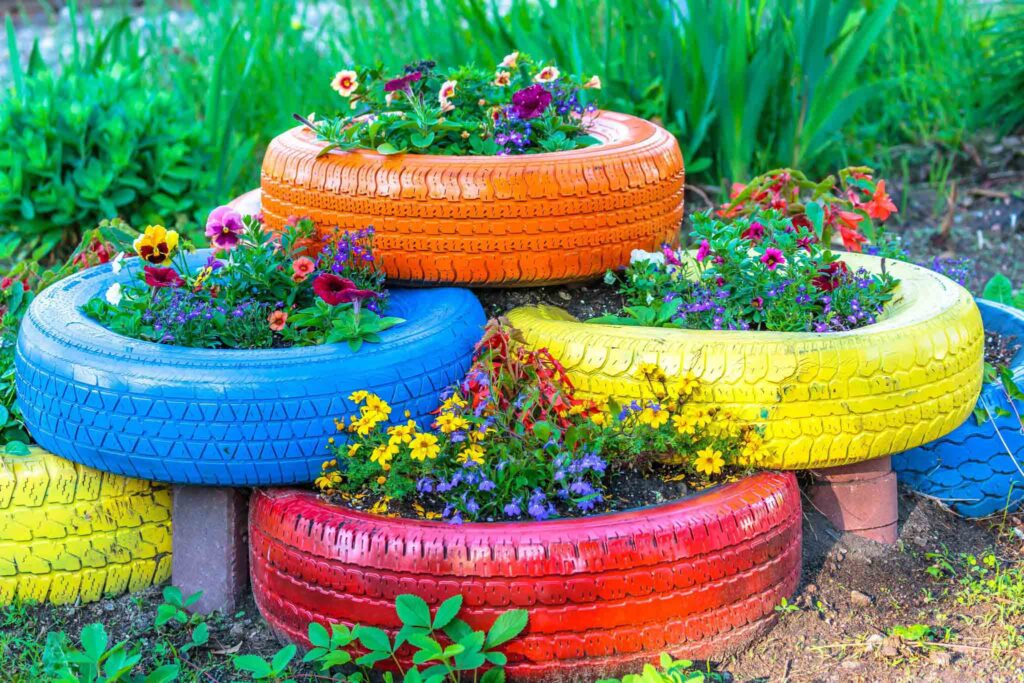
Repurposing materials is a creative, sustainable way to decorate your garden for Thanksgiving without producing waste.
How to Do It:
- Turn old wooden crates into rustic planters or display stands for pumpkins and gourds.
- Use mason jars as candle holders or small plant containers.
- Transform fallen branches into trellises, garden markers, or rustic wreaths.
- Repurpose baskets or fabric scraps for plant holders and decorative touches.
Thanksgiving Tip: Create a cozy garden vignette by combining pumpkins, gourds, and upcycled materials for a rustic, festive display.
Why It Works: Upcycling reduces waste, saves money, and adds personalized charm to your garden, embodying sustainable principles during the holiday.
4. Use Water Wisely with Rainwater Collection
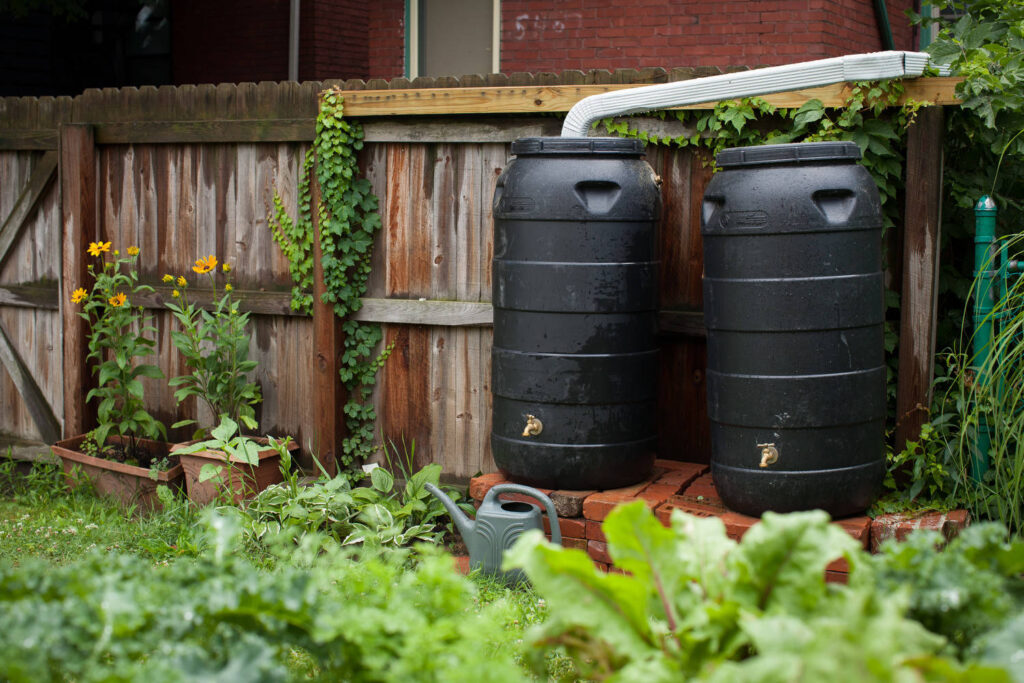
Water conservation is essential in sustainable gardening. Collecting rainwater or using efficient watering methods reduces waste and supports healthy plants.
How to Do It:
- Install a rain barrel to collect water from downspouts.
- Water plants in the early morning or evening to minimize evaporation.
- Use drip irrigation or soaker hoses to deliver water directly to plant roots.
- Mulch around plants to retain soil moisture and reduce watering frequency.
Thanksgiving Tip: Use collected rainwater to hydrate autumn blooms or vegetable beds, ensuring your harvest thrives without wasting resources.
Why It Works: Smart watering practices conserve water, reduce utility costs, and support plant health, making your Thanksgiving garden greener and more sustainable.
5. Create a Wildlife-Friendly Garden
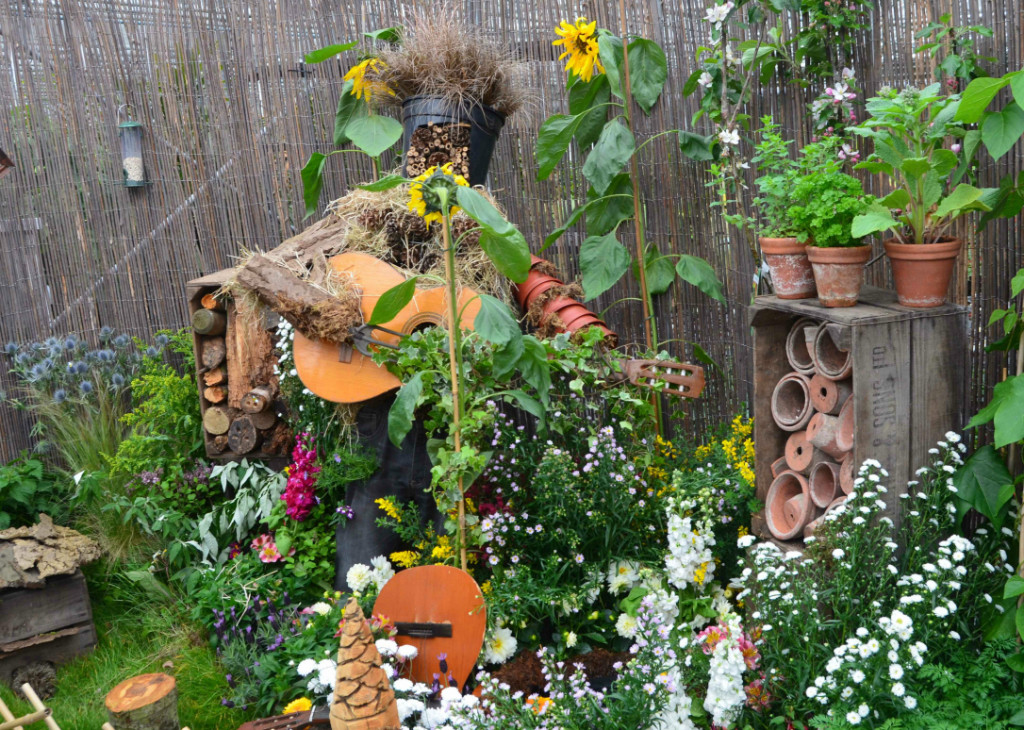
Encouraging birds, pollinators, and beneficial insects enhances biodiversity and supports sustainable gardening practices.
How to Do It:
- Plant flowering perennials that attract pollinators like bees and butterflies.
- Provide bird feeders, seed, or water stations to support local wildlife.
- Leave some areas of the garden natural, with fallen leaves or logs for shelter.
- Avoid harmful pesticides that can disrupt the ecosystem.
Thanksgiving Tip: Incorporate wildlife-friendly elements into your garden décor, like birdhouses, to create an inviting outdoor space for both people and animals.
Why It Works: A wildlife-friendly garden promotes ecological balance, supports native species, and enhances the beauty and vibrancy of your outdoor space.
Tips for Practicing Sustainable Gardening During Thanksgiving
- Plan Ahead: Map out planting and composting schedules to align with the fall season.
- Include Family: Make eco-friendly activities a fun and educational family tradition.
- Combine Function and Decoration: Use natural elements like pumpkins, gourds, and leaves in décor while benefiting plants or wildlife.
- Reduce Chemical Use: Emphasize organic fertilizers, natural pest control, and healthy soil practices.
- Document and Reflect: Keep track of successful sustainable practices to repeat or improve next year.
Benefits of Sustainable Gardening for the Thanksgiving Season
- Environmental Stewardship: Reduces waste, conserves water, and supports biodiversity.
- Enhanced Garden Productivity: Composting, native plants, and efficient watering promote healthy growth.
- Family Engagement: Eco-friendly projects provide hands-on learning opportunities.
- Aesthetic Appeal: Sustainable gardens can be both beautiful and functional, perfect for Thanksgiving celebrations.
- Mindful Celebration: Encourages a connection between gratitude, nature, and the holiday season.
By integrating these sustainable gardening practices, your Thanksgiving garden becomes a living reflection of gratitude, environmental responsibility, and seasonal beauty.

Why These Sustainable Gardening Ideas Work for American Gardens
- Seasonally Appropriate: Fall activities align with Thanksgiving and autumn weather.
- Cost-Effective: Uses household or garden resources, reducing the need for purchased products.
- Family-Friendly: Simple and educational for children and adults alike.
- Environmentally Responsible: Supports biodiversity, reduces chemical use, and promotes composting.
- Versatile: Adaptable to small backyards, large landscapes, or container gardens.
Final Thoughts: Celebrate Thanksgiving Through Sustainable Gardening
Thanksgiving is a time to reflect on gratitude, appreciate abundance, and nurture connections—both with family and with the natural world. By adopting sustainable gardening practices, you create a garden that not only thrives during the fall season but also supports the environment, enhances beauty, and engages your family in meaningful activities.
From composting kitchen scraps to planting native herbs, upcycling materials, conserving water, and fostering wildlife, these 5 sustainable gardening ideas bring mindfulness, productivity, and seasonal charm to your Thanksgiving celebrations.
This year, let your garden embody the spirit of Thanksgiving: abundant, nurturing, and sustainable. By practicing eco-friendly gardening, you can enjoy a festive, vibrant, and environmentally conscious holiday season, creating a space that inspires gratitude, joy, and long-lasting beauty.