Growing mango trees at home is a dream for many gardeners, especially because mangoes are one of the most beloved tropical fruits in the world. Their sweet aroma, vibrant color, and juicy flesh make them an irresistible addition to any home garden. The great news? You don’t need acres of land, professional tools, or expert experience to grow your own mango tree. With the right propagation technique, you can successfully grow healthy mango trees right from your home—even if you’re a complete beginner!
In this guide, you’ll learn the genius propagation method that is becoming popular among gardeners for its simplicity and high success rate. From choosing the right seed or cutting to nurturing your mango sapling into a thriving tree, we’ll walk through every step in detail.
Why Grow Mango Trees at Home?
Growing mango trees offers more than just delicious fruit—they bring shade, greenery, beauty, and satisfaction. Mango trees are known for:
Gorgeous Tropical Appeal
Their glossy leaves and wide canopy instantly enhance the look of any garden or balcony.
Fresh, Organic Mangoes
Enjoy pesticide-free, home-grown mangoes that taste richer and sweeter than store-bought ones.
Easy Maintenance
Once established, mango trees are hardy, drought-resistant, and self-sufficient.
Indoor or Outdoor Flexibility
Young mango plants can thrive in pots, making them perfect for balconies, terraces, and small spaces.
The Genius Propagation Technique You Must Try
There are many ways to grow mango trees—using seeds, grafting, or air layering. But the “Paper Towel Germination Method” is becoming a favorite due to its near 100% success rate.
This method allows you to sprout mango seeds quickly, observe germination clearly, and reduce the chances of fungal infection or seed rot.
Let’s explore the steps one by one.
Step 1: Choose a Fresh Mango Seed
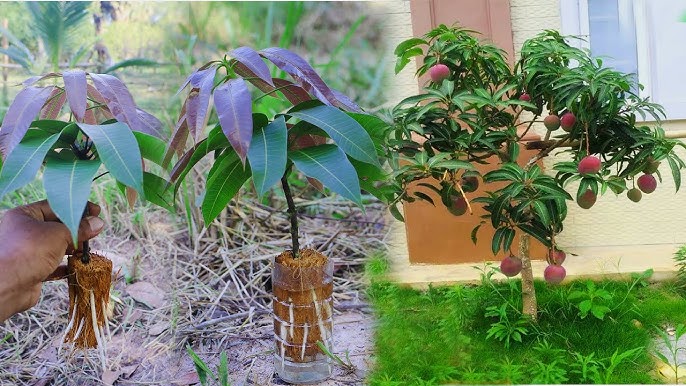
The key to successful propagation is choosing the right seed.
How to pick the best seed:
- Use a fully ripe mango—preferably a fiberless or semi-fiberless variety like Alphonso, Kesar, Kent, or Ataulfo.
- Avoid seeds from hybrid varieties since they may not grow true to parent traits.
- Select a mango with no bruises or fermentation smell.
Once you enjoy the fruit, save the large, flat seed for germination.

Step 2: Clean and Prepare the Seed
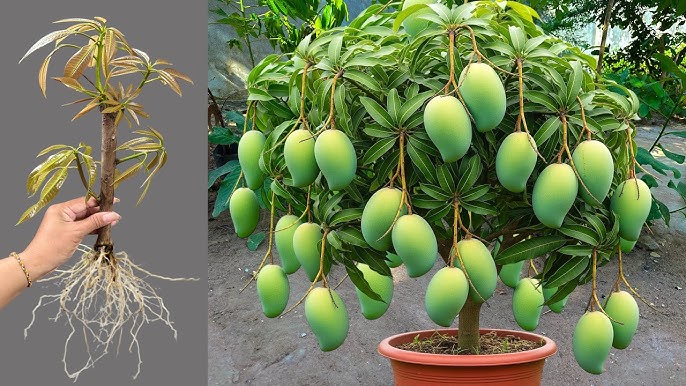
This is one of the most important steps.
How to prepare the seed:
- Wash the seed thoroughly to remove any pulp.
- Let it dry for 1–2 hours.
- Carefully pry open the hard shell using scissors or a knife.
- Inside, you’ll see a soft, kidney-shaped seed—this is your germination gold!
Be gentle and avoid damaging the embryo.
Step 3: The Paper Towel Germination Method
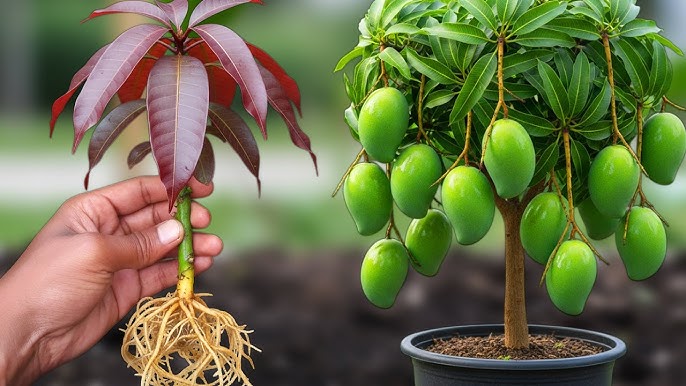
This is the genius trick gardeners swear by. It accelerates sprouting and creates the perfect moisture environment for the seed.
You’ll Need:
- A paper towel or tissue
- A zip-lock bag or airtight container
- Clean water
- Your peeled mango seed
How to germinate the seed:
- Moisten the paper towel—ensure it’s damp, not soaking.
- Place the mango seed inside and wrap it snugly.
- Put the wrapped seed inside a zip-lock bag.
- Seal it and store it in a warm, dark place like a cupboard.
Ideal Conditions:
- Temperature: 25–30°C (77–86°F)
- Darkness: essential for initial sprouting
- Moisture: keep the towel damp but never soggy
When Does Sprouting Begin?
Within 7–14 days, the seed will produce:
- A white root (primary root)
- A green shoot (future stem)
Once the root reaches 3–4 cm, it’s time to transfer it to soil.
Step 4: Plant the Sprouted Mango Seed
Choosing the right soil mix ensures strong and fast growth.
Best Potting Mix for Mango Seedlings:
- 40% garden soil
- 30% coconut coir or peat moss
- 30% perlite or sand
- A handful of compost
The mix must be lightweight, well-draining, and airy.
Planting Instructions:
- Take a pot with good drainage holes.
- Fill it with the potting mix.
- Make a small hole 2–3 inches deep.
- Place the sprouted seed root-side down.
- Cover gently and water lightly.
Sunlight Requirement:
- Keep the pot in bright indirect light for 7–10 days.
- Slowly move to mild morning sunlight.
- After 4–6 weeks, the plant can enjoy full sunlight for 4–6 hours daily.
Step 5: Watering and Caring for Your New Mango Plant
A mango seedling is low maintenance if you follow a simple care routine.
Watering Tips:
- Water only when the top soil is dry.
- Avoid overwatering; mangoes dislike water-logged roots.
- Mist leaves occasionally during hot weather.
Temperature Need:
- Mango trees thrive between 20–35°C.
- Protect young plants from frost or severe winter.
Fertilizer Guide:
Feed your mango plant:
- Once a month during the growing season (spring–summer)
- Use organic fertilizers like:
- Vermicompost
- Cow dung manure
- Seaweed extract
- Fish emulsion
Pruning for Better Growth:
- Trim weak branches.
- Encourage bushier growth by pinching the top once it reaches 1 foot tall.
When Will Your Mango Tree Bear Fruit?
This depends on the propagation method:
Seed-Grown Mango Trees:
- Fruit time: 5–8 years
- Produces vigorous, large trees
- Fruit may differ slightly from the parent variety
Grafted Mango Trees:
- Fruit time: 2–4 years
- True-to-type fruit (identical to parent)
Even though seed propagation takes longer, it’s incredibly rewarding—and perfect for home growers.
Bonus: Tips to Grow Bigger, Sweeter Mangoes
If you want exceptional results, follow these pro-level techniques:
Add Epsom Salt
Provides magnesium for lush green leaves.
Use Banana Peel Fertilizer
Boosts potassium for strong flowering and fruiting.
Maintain Proper Spacing
Good airflow prevents fungal issues.
Mulch the Soil
Helps retain moisture and improve root health.
Protect from Pests
Spray neem oil monthly to avoid leaf-eating insects.
Final Thoughts
Growing mango trees at home is incredibly rewarding—especially when you use the genius propagation trick that increases success dramatically. The paper towel method, followed by proper planting and care, gives your mango plant the perfect start.
Whether you’re growing mangoes on a sunny balcony, a small garden, or a terrace, this method guarantees faster germination, healthier saplings, and a thriving tropical tree right in your home.
With patience, love, and these expert tips, you’ll soon enjoy juicy, home-grown mangoes that taste better than anything you’ll find in the market!