Growing your very own Christmas tree at home is one of the most rewarding gardening experiences you can have—especially when the festive season arrives and you can proudly say, “I grew this tree myself!” While most people think Christmas trees only come from farms or need years of professional care, the truth is surprisingly magical: you can grow a beautiful Christmas tree from cuttings right at home.
With the right technique, patience, and care, propagating a Christmas tree from cuttings is not only possible but highly successful. Whether you prefer pine, fir, or spruce, the method remains almost the same. In this detailed 1200-word guide, you will learn how to choose the right cuttings, how to treat them, what soil mix to use, and how to care for your baby Christmas tree until it becomes the star of your home garden.
Let’s begin your festive gardening adventure!
Why Grow a Christmas Tree from Cuttings?
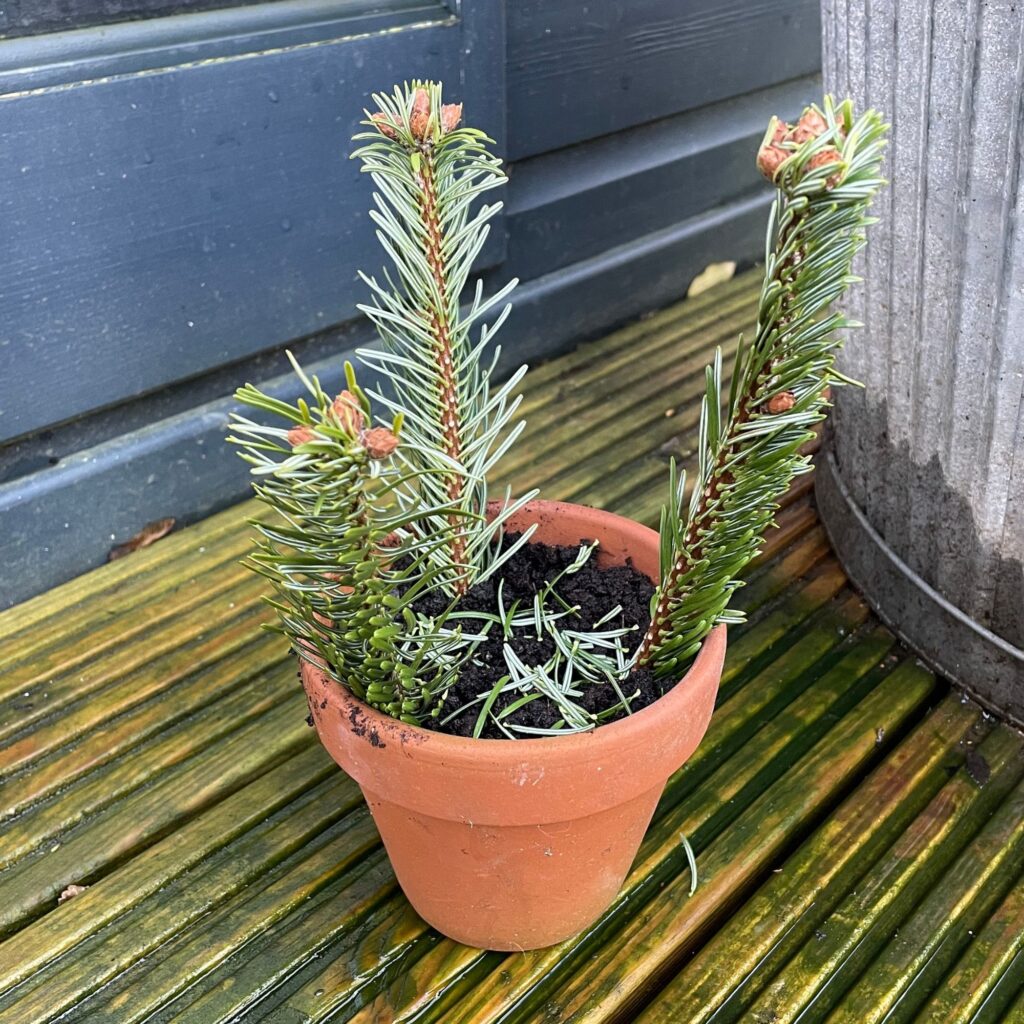
Most people buy a Christmas tree every year, but growing your own comes with special benefits:
- Cost-effective – Instead of buying every season, grow once and enjoy for years.
- Eco-friendly – Reduces tree cutting from forests.
- Sentimental value – A tree grown by you becomes a treasured family symbol.
- Easy propagation – Christmas tree types root well with proper care.
- Perfect for small gardens – You can shape it and maintain its size.
Whether you want a classic pine tree look or a compact indoor Christmas plant, propagation from cuttings gives you a healthy, genetically identical version of the parent tree.
Best Types of Christmas Trees You Can Grow from Cuttings
Not all trees used during Christmas are the same. The following varieties propagate well using cuttings:
- Norway Spruce
- Douglas Fir
- Blue Spruce
- White Pine
- Leyland Cypress
- Deodar Cedar (common in India)
- Thuja (Arborvitae) – perfect for small spaces
These evergreen species root successfully with the proper method and patience.
Step 1: Selecting the Perfect Cutting
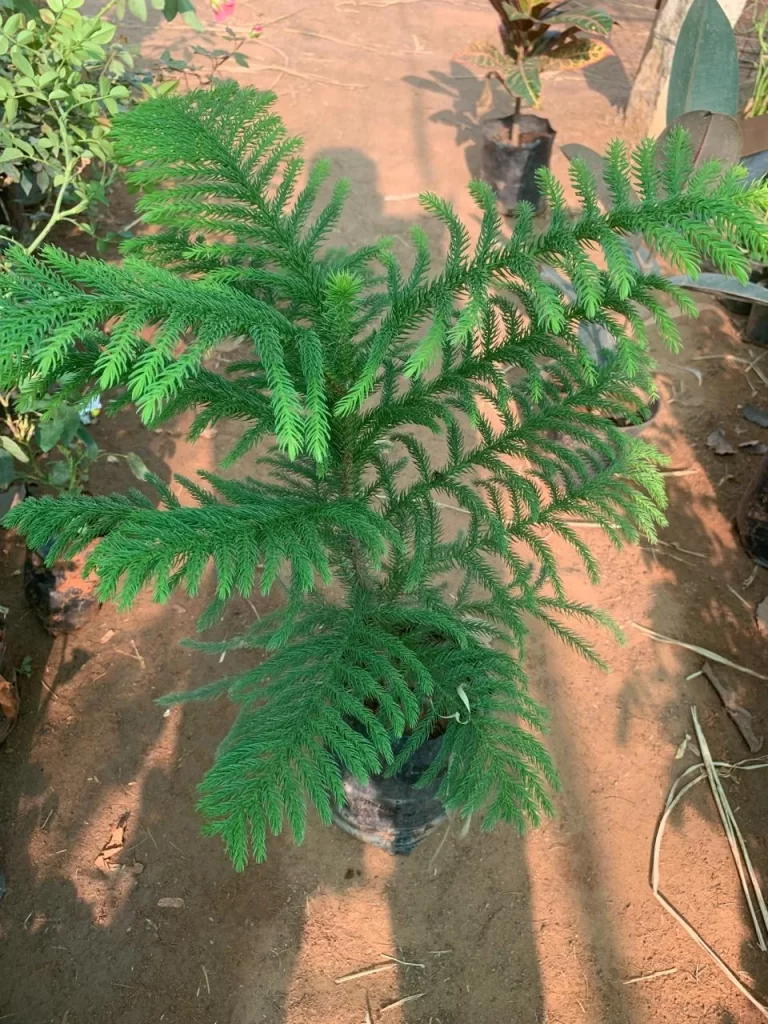
The success of your Christmas tree propagation depends heavily on choosing the right cutting.
Choose Semi-Hardwood Cuttings
Pick branches that are:
- Neither too soft nor too woody
- About 6 to 8 inches long
- Healthy, green, and pest-free
- With several needle clusters or side leaves
Best Time to Take Cuttings
The ideal season:

- Late winter
- Early spring
- Monsoon (in warm regions)
Avoid extremely hot or cold months as rooting slows down.
Step 2: Preparing the Cuttings Properly
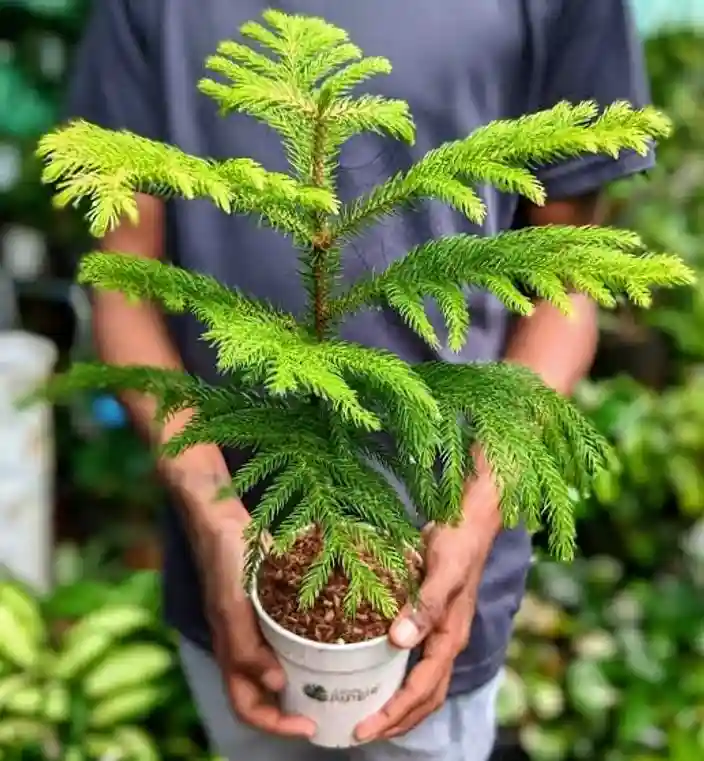
Once you have the branch you want to propagate, follow these steps:
1. Cut Below a Node
Use sharp, sterilized scissors to cut just below a node. This is where roots form best.
2. Remove Lower Needles
Strip the lower 2–3 inches of needles or leaves. This helps the cutting focus on root development instead of maintaining foliage.
3. Keep Only Top Foliage
Trim excess needles from the top so the cutting stays hydrated.
4. Dip in Rooting Hormone (Recommended)
Although optional, rooting hormone powder or gel significantly improves success.
Step 3: Prepare a Perfect Soil Mix for Rooting
Christmas tree cuttings need light, airy soil for rapid root formation.
Here is the best soil mix:
- 40% cocopeat or peat moss
- 30% river sand
- 20% perlite or vermiculite
- 10% compost (optional, small amount)
This mixture ensures:
- Excellent drainage
- No fungal infection
- Proper root breathing
- Steady moisture retention
Avoid heavy clay soils because they cause rot.

Step 4: Planting the Christmas Tree Cuttings
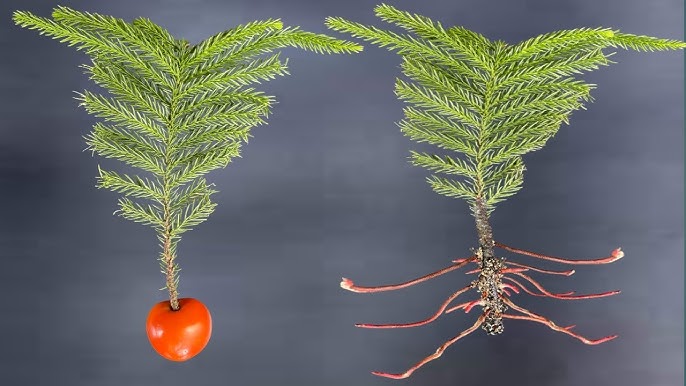
Follow these steps carefully:
Make a small hole in the soil mix
Insert the cutting without removing the rooting hormone.
Plant 2–3 inches deep
Ensure the exposed part is fully buried.
Press soil gently around the base
This keeps the cutting stable.
Water lightly
Avoid overwatering—just moisten the soil.
Step 5: Create the Ideal Environment for Root Growth
Cuttings root faster when kept in the right environment.
Provide High Humidity
Cover the pot with:
- A transparent plastic bag
- Or a mini greenhouse box
Humidity prevents the needles from drying.
Keep in Bright Shade
Indirect sunlight is perfect. Avoid direct sun.
Maintain Moderate Temperature
Best range:
18°C to 28°C

Rooting takes longer in cold temperatures.
Rooting Timeline — What to Expect
Week 1–2
Cuttings remain green and hydrated. No visible change.
Week 3–5
Tiny roots begin to develop internally.
Week 6–8
Roots become strong; new buds or needles appear.
Week 8–12
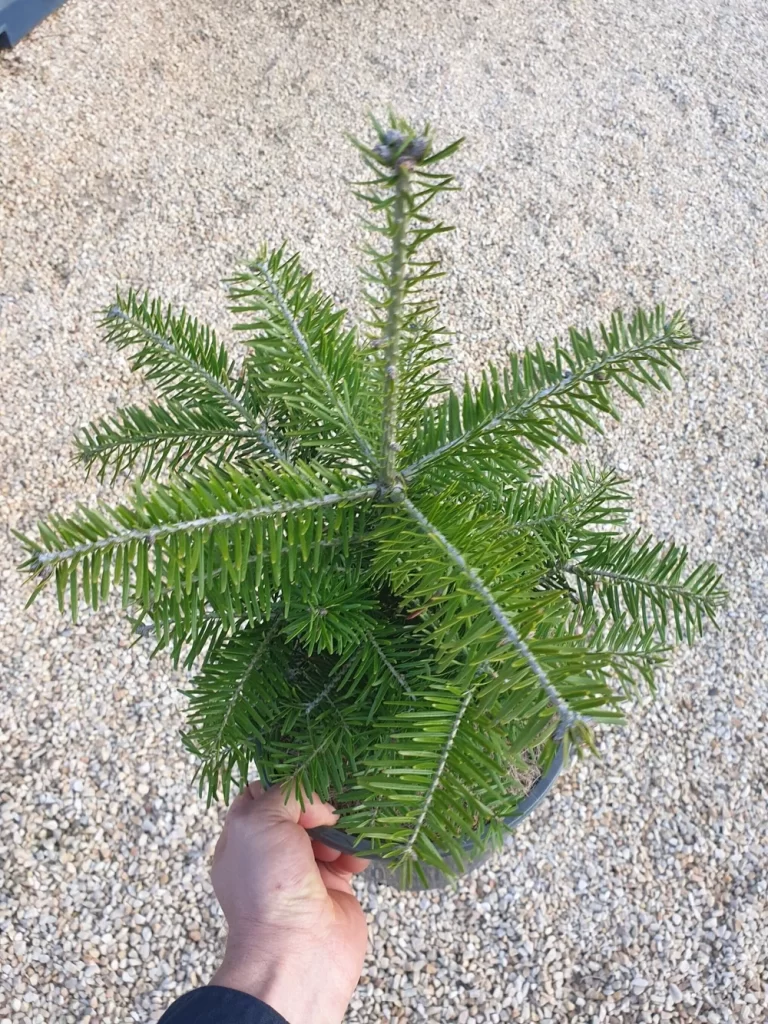
The cutting becomes a young Christmas tree plant.
Christmas tree cuttings take more time than softwood plants, but the results are worth it.
Step 6: Transplanting Your Rooted Christmas Tree
Once roots reach 3–4 inches, it’s time to move your baby tree.
Move to a Bigger Pot
Use a pot 10–12 inches deep.
Soil Mix for Growth
Use a mixture of:
- 50% garden soil
- 20% compost
- 20% sand
- 10% cocopeat
This supports strong root expansion.

Place in Morning Sun
Early sunshine helps the new plant grow better.
Water Sparingly
These trees prefer slightly dry conditions.
Water only when top soil becomes dry.
Caring for Your Growing Christmas Tree
1. Sunlight
- Young plants: 3–4 hours of morning sun
- Mature plants: 5–6 hours sunlight
2. Watering
Christmas trees are drought-tolerant.
- Water once weekly
- Avoid soggy soil
3. Fertilization
Once every 45–60 days, use:
- Organic compost
- Seaweed extract
- Pine needles (mulching)
Avoid heavy nitrogen fertilizers; they cause lanky growth.
4. Shaping the Tree
Trim lightly from sides to shape the classic pyramid Christmas look.
5. Mulching
Cover the soil with:
- Dry leaves
- Wood chips
- Pine needles
Keeps roots cool and moist.
Winter Care for Indoor Christmas Trees
If you live in a cold region, bring the young plant indoors during freezing temperatures.
Place near a window where it gets soft sunlight.

Avoid:
- Heaters
- Blowers
- Extremely dry rooms
Moderate humidity is important.
When Will Your Homegrown Christmas Tree Be Ready?
Your propagated Christmas tree will take:
- 1–2 years to become 2–3 feet tall
- 3–4 years to reach decoration size
- 5–6 years to become full, lush and mature
Growing one is a long journey but incredibly rewarding.
Why This Gardening Project Is Special
Growing a Christmas tree from cuttings is more than a gardening project:
- It’s a memory-making activity for families
- A beautiful symbol of patience and love
- A sustainable alternative to buying trees every year
- A fun learning experience for kids
- A long-lasting festive decoration
Every new leaf and branch reminds you of the magic of nature.
Final Thoughts: Start Your Christmas Tree Journey Today!
Propagating a Christmas tree from cuttings at home may take time, but the process is simple, magical, and deeply satisfying. With the right cutting, healthy soil mix, and a little care, you can grow your own evergreen that will brighten your home every Christmas for years to come.
This festive season, plant the beginning of a beautiful tradition—
Grow your Christmas tree, don’t just buy one.