Lemon trees are among the most rewarding fruit plants to grow at home. Their fresh scent, glossy green leaves, and vibrant yellow fruits make them a beautiful addition to any garden or balcony. But did you know you can propagate new lemon trees easily at home—without expensive tools, chemicals, or complicated gardening skills?
In this detailed 1200-word guide, you’ll learn the simplest, most natural, and high-success tricks for propagating lemon trees from cuttings. Whether you’re a beginner or a seasoned gardener, these proven techniques will help you grow strong, healthy lemon plants quickly and effectively.
Why Propagate Lemon Trees Naturally?
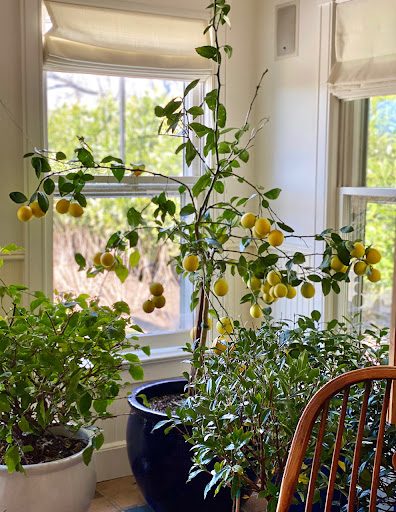
Propagation is the easiest way to multiply your plants without buying new ones. When you grow lemon trees naturally:
- You avoid chemicals and harsh rooting powders
- You get healthier, disease-free plants
- The process is eco-friendly and affordable
- Cuttings grow faster than seeds
- The new plant is genetically identical to the parent tree—ensuring the same fruit quality
Natural tricks also increase success rates because they mimic how plants root in nature—with moisture, nutrients, and gentle stimulation.
What You Need Before You Start
You don’t need any fancy gardening tools. Gather these simple items:
- A healthy lemon branch (semi-hardwood)
- Clean pruning shears or a knife
- A small pot or plastic bottle
- Coconut water, aloe vera gel, honey, or cinnamon
- Well-draining soil mix
- A clear plastic bag for humidity
- Clean water
Once you have these items, you’re ready to begin propagating like a pro!

TRICK #1: Use Aloe Vera Gel for Natural Root Boosting
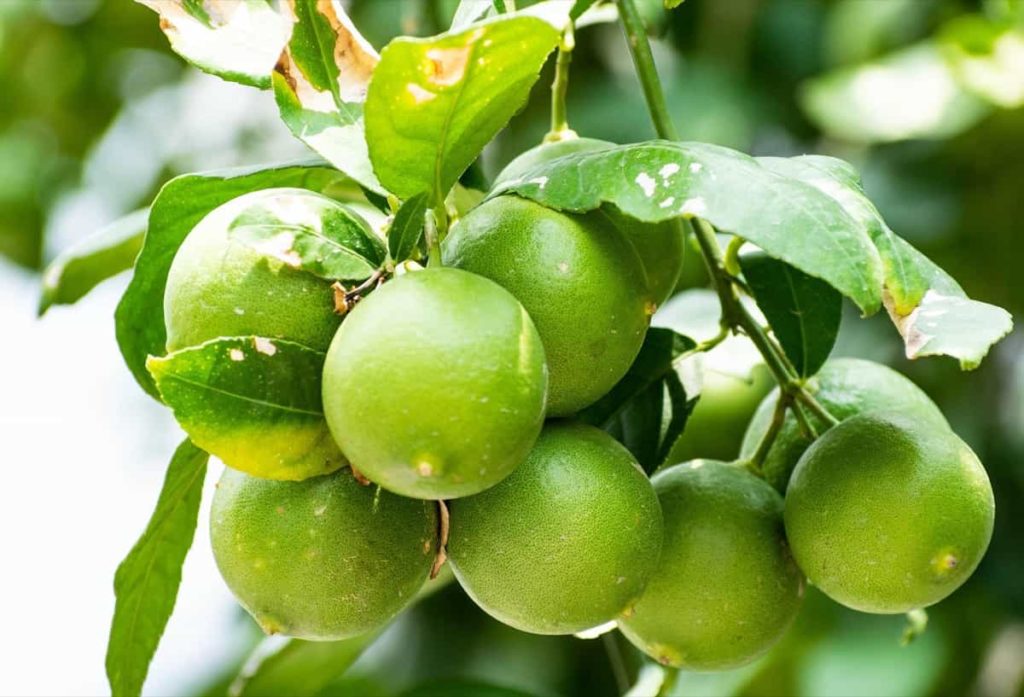
Aloe vera is one of nature’s most powerful rooting stimulants. It contains:
- Auxins
- Salicylic acid
- Natural antifungal properties
- Moisture-retaining compounds
These all help roots emerge faster and stronger.
How to Use Aloe Vera
- Select a fresh aloe vera leaf.
- Scoop out the clear gel.
- Blend or mash it into a smooth liquid.
- Dip the lemon cutting’s base into this gel.
- Plant the cutting directly into soil.
Why It Works
Aloe vera keeps the cutting hydrated, prevents fungal infections, and helps root cells divide quickly. Many gardeners report significantly faster rooting using aloe compared to commercial powders.
TRICK #2: Honey Water — A Perfect Natural Rooting Tonic

Honey contains natural enzymes, micronutrients, and antibacterial properties. While honey doesn’t induce rooting chemically, it protects the cutting and keeps the base hydrated—leading to higher success rates.
How to Make Honey Rooting Solution
- Add 1 teaspoon of pure honey to 1 cup of warm water.
- Stir well until dissolved.
- Dip your cutting into the solution for 5 minutes before planting.
Benefits of Honey
- Prevents stem rot
- Provides natural sugars for energy
- Creates a protective barrier from infection
Honey is especially useful in humid or rainy climates where cuttings rot easily.
TRICK #3: Cinnamon Powder for Fungus-Free Rooting
Cinnamon is a powerful natural antifungal spice. It protects your cuttings from soil-borne pathogens and encourages callus formation at the base.

How to Use Cinnamon for Lemon Cuttings
- Moisten the lower part of the cutting.
- Roll it in cinnamon powder.
- Plant immediately in moist soil.
Why Gardeners Love This Trick
Cinnamon reduces the chances of fungal problems, especially during the first few weeks when the roots are still forming.
TRICK #4: Coconut Water for Fast Root Development
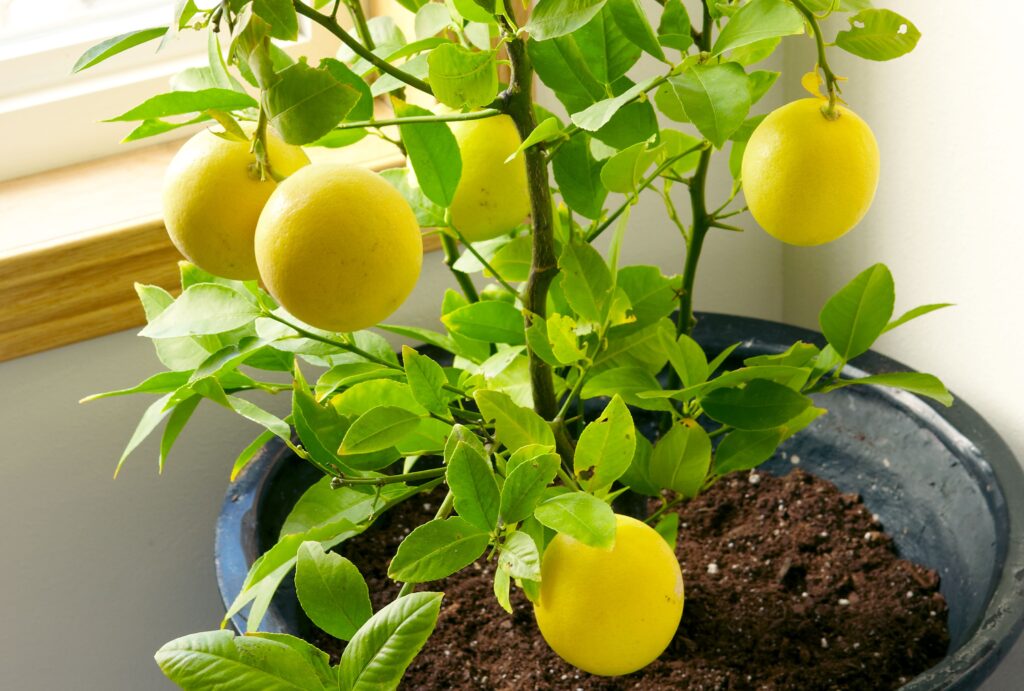
Coconut water is rich in:
- Cytokinins
- Potassium
- Natural sugars
- Minerals
These nutrients help plants form roots faster and support early growth.
How to Use Coconut Water
- Mix 50% coconut water + 50% regular water.
- Soak the base of the cutting for 1–2 hours.
- Then plant in soil.
You can also water the plant once a week using diluted coconut water to strengthen root development.
TRICK #5: Create a Mini Greenhouse for Humidity
Lemon cuttings root best in a moist environment. High humidity prevents leaf moisture loss and allows the cutting to focus on growing roots.
How to Make a Mini Greenhouse
- Plant the cutting in a small pot.
- Cover it with a clear plastic bag or cut plastic bottle.
- Make small holes for airflow.
- Keep it in bright, indirect sunlight.
Why It Works
The enclosed environment traps moisture, reducing stress on the plant and speeding up rooting.

Step-by-Step Guide: How to Propagate Lemon Trees Naturally
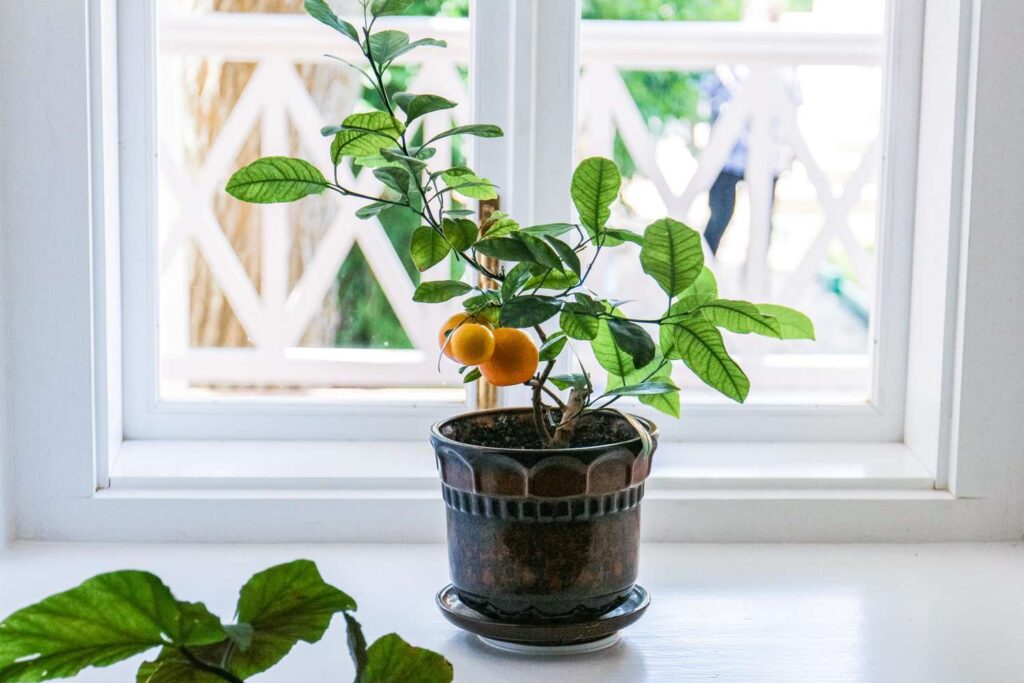
Here’s the complete method using the tricks above.
1. Choose the Right Cutting
Pick a branch that is:
- 6–8 inches long
- Semi-hardwood (not too soft, not too old)
- With at least 3–4 leaves
- Free from pests and disease
Remove all leaves except the top 2.
2. Prepare the Cutting
Make a 45° angle cut at the bottom. This increases the surface area for rooting.
Gently scrape the bark on one side of the stem (1 cm length). This encourages callus formation.
3. Apply Your Natural Rooting Aid
Choose any of the following:
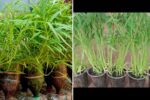
- Aloe gel
- Honey solution
- Cinnamon
- Coconut water
Dip the base of the cutting thoroughly.
4. Plant the Cutting
Use a lightweight mix:
- 50% coco peat
- 25% perlite or sand
- 25% garden soil
Plant the cutting 2–3 inches deep and firm the soil gently around the base.
5. Maintain Moisture and Humidity
- Water lightly
- Cover with a plastic bag
- Keep in bright shade, not direct sun
Mist every 2–3 days.
Roots usually appear in 3–5 weeks.
Signs Your Lemon Cutting Is Growing Successfully
Look for:
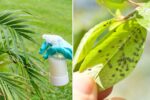
- New leaf growth
- Firm, upright stem
- Resistance when you gently tug (indicates rooting)
- No wilting or yellowing
Once the cutting has strong roots, remove the plastic cover gradually to harden the plant.
Aftercare Tips for Strong, Healthy Growth
Once rooted, follow these tips:
- Place in morning sunlight
- Water only when the top inch is dry
- Fertilize monthly with compost or banana peel water
- Protect from heavy rain
- Repot after 2–3 months
With proper care, your new lemon plant will begin vigorous growth and may start flowering in 1–2 years.
Final Thoughts
Propagating lemon trees naturally is incredibly easy once you know the right tricks. With simple household ingredients like aloe vera, honey, cinnamon, and coconut water, you can boost success rates and grow healthy plants faster than ever.
Whether you’re expanding your home garden or sharing lemon saplings with friends, these natural methods ensure strong, disease-resistant, and productive trees.
online pharmacy australia free delivery US Meds Outlet US Meds Outlet
Your comment is awaiting moderation.