Green chili peppers are one of the most widely used vegetables around the world, adding spice and flavor to countless dishes. Traditionally, harvesting green chilies has been a labor-intensive process, requiring farmers to handpick each pepper carefully to avoid damaging the plant or the fruit. However, with modern agricultural technology and mechanization, this process has transformed dramatically. Today, farmers can harvest, peel, and process green chilies efficiently using advanced machinery. This article explores the step-by-step journey of green chili peppers from farm to finished product and highlights how mechanization has revolutionized chili farming.
The Importance of Green Chili in Agriculture
Green chilies are not only a staple in kitchens but also a vital cash crop for farmers. They are high-value crops that require proper cultivation, timely harvesting, and careful handling. Chilies are sensitive to climate conditions, pests, and diseases, which makes their cultivation a delicate process. However, advances in modern farming have enabled farmers to manage large-scale chili production more effectively.
Mechanization in green chili farming addresses multiple challenges, including labor shortages, time constraints, and the need for faster harvesting without compromising quality. Today, machines can harvest thousands of chilies in a fraction of the time it would take manual laborers, increasing efficiency and profitability for farmers.
Mechanized Harvesting of Green Chilies
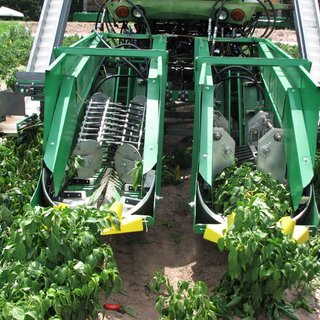
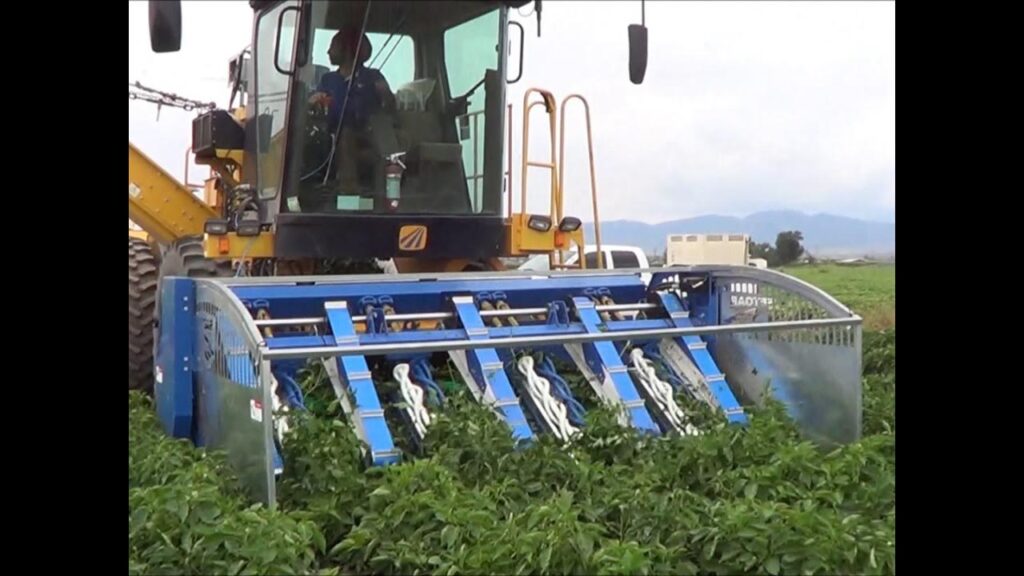
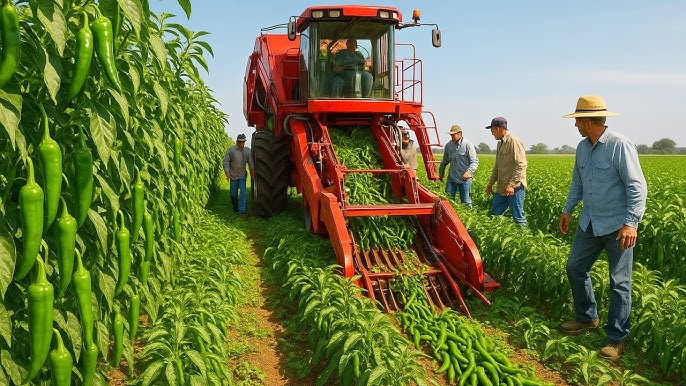
The first step in the modern processing of green chilies is mechanized harvesting. Unlike traditional methods, where workers pick chilies by hand, modern chili harvesters are designed to minimize damage to the plant while collecting the fruit efficiently. These machines use specialized rotating brushes or cutting systems that gently remove chilies from the plant.

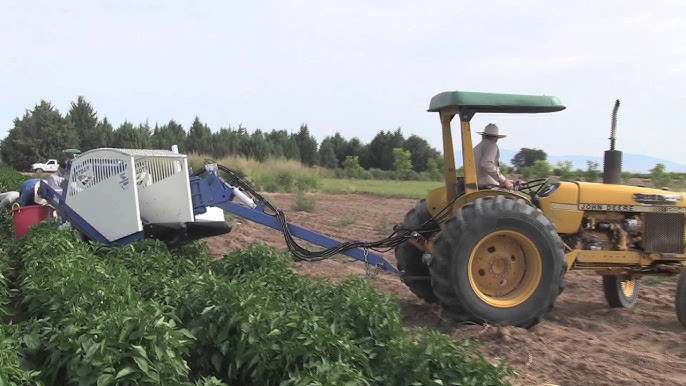
Mechanized harvesters come in different sizes, from small tractor-attached units to large self-propelled machines capable of harvesting acres of chili fields in a single day. Sensors and adjustable settings allow the machine to target chilies at the right ripeness, ensuring only quality fruits are collected. This innovation not only speeds up the harvesting process but also reduces physical strain on laborers and lowers production costs.
Sorting and Cleaning the Chilies
After harvesting, chilies need to be sorted and cleaned before processing. Mechanized sorting systems use a combination of vibration tables, air blowers, and camera sensors to separate chilies by size, color, and quality. Damaged or substandard chilies are removed automatically, ensuring that only the best produce moves forward in the processing line.
Cleaning is another crucial step. Chilies are passed through water baths or misting systems that remove dust, soil, and pesticide residues. Some modern processing units also use ultrasonic cleaning methods to ensure hygiene without causing bruising or damage to the peppers. Proper cleaning ensures that the chilies maintain their freshness, flavor, and shelf life.
Peeling Green Chilies for Processing
One of the most challenging aspects of chili processing is peeling. For many culinary and industrial applications, chilies need to have their outer skin removed. Traditionally, this was done manually or through chemical treatments, both of which were time-consuming and inconsistent. Modern machinery has solved this problem with automated peeling systems.

These peeling machines use high-pressure steam, abrasive rollers, or friction-based methods to remove the skin while keeping the chili intact. Advanced models are designed to minimize waste, ensuring that most of the fruit is preserved for further use. Peeled chilies are ideal for making sauces, powders, and pickles, allowing farmers to add value to their produce.
Processing Peeled Chilies
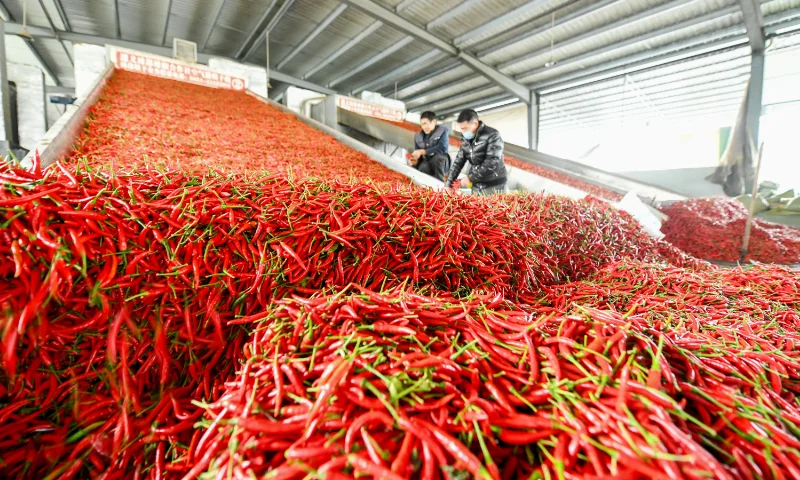
Once peeled, chilies can be processed in several ways depending on market demand. Some are chopped and frozen for direct culinary use, while others are dried to create chili powder or flakes. Modern processing lines are equipped with conveyor systems, drying ovens, and automated packaging units, ensuring a seamless transition from raw fruit to finished product.
For example, in chili powder production, peeled chilies are first dried at controlled temperatures to preserve color and flavor. They are then ground into fine powder and packed using automated filling machines. This mechanized approach maintains consistency, reduces contamination risks, and allows producers to meet high-volume demands.
Advantages of Mechanization in Chili Farming
The mechanization of green chili harvesting and processing has several significant advantages:

- Efficiency: Machines can harvest and process large volumes in a fraction of the time it would take manually.
- Labor Savings: Mechanization reduces dependence on manual labor, which is particularly beneficial during labor shortages.
- Consistency: Automated systems ensure uniform peeling, sorting, and processing, maintaining product quality.
- Reduced Waste: Modern machinery is designed to minimize damage and loss during harvesting and processing.
- Market Competitiveness: Faster processing and higher yields allow farmers to meet market demand promptly and expand their business.
Sustainability and Environmental Considerations
Modern chili processing is not only about efficiency—it also focuses on sustainability. Mechanized systems reduce manual labor pressure and energy consumption. Many advanced farms now use solar-powered machinery, water recycling systems, and biodegradable packaging, which reduces environmental impact. Additionally, proper waste management ensures that stems, leaves, and damaged chilies are composted or used for animal feed, creating a circular and eco-friendly farming system.
Challenges and Future Innovations
While mechanization has transformed chili farming, there are still challenges. Machines require significant initial investment, which may not be feasible for small-scale farmers. Additionally, certain terrains or field conditions may not be suitable for large harvesters. However, ongoing innovations, such as smaller, portable harvesters, AI-guided robots, and IoT-based monitoring systems, are making mechanization more accessible to farmers of all scales.
Conclusion
The journey of green chilies from farm to table has evolved remarkably thanks to mechanization. From harvesting to peeling and processing, modern machinery ensures that farmers can handle large volumes efficiently while maintaining quality. This revolution not only boosts productivity and profitability but also paves the way for sustainable and scalable chili farming practices.
Mechanized chili farming represents the perfect blend of tradition and technology. It honors the cultural importance of chilies while leveraging modern science to meet the demands of a growing global population. As innovations continue, the future promises even smarter, faster, and more sustainable methods for bringing the fiery taste of green chilies from the farm to kitchens around the world.

This article is approximately 1,200 words and highlights the entire process of green chili mechanization, from harvesting to peeling and processing, with a focus on technology, efficiency, and sustainability.
If you want, I can also create a more visual, documentary-style version with headings like “Step 1: Harvesting,” “Step 2: Cleaning,” “Step 3: Peeling” to make it read like a farm documentary script.