Gardeners everywhere know the frustration of seeing their healthy plants suddenly attacked by aphids, caterpillars, whiteflies, and other destructive pests. These tiny invaders multiply rapidly, drain sap from leaves, weaken stems, stunt growth, and even transmit plant diseases. And when chemical pesticides are not an option—or not desirable—many gardeners search for a safer yet effective alternative.
Thankfully, nature has already given us one of the most powerful organic pest-control tools: Neem. Extracted from the seeds of the neem tree (Azadirachta indica), neem oil contains natural compounds that repel insects, disrupt their lifecycle, and stop them from feeding. Best of all, neem is safe for humans, pets, beneficial insects (when used correctly), and the environment.
In this comprehensive article, you’ll learn a tried-and-tested organic neem pesticide recipe that kills aphids, caterpillars, whiteflies, mealybugs, thrips, and many other garden pests—fast. You’ll also discover how neem works, how to apply it, how often to spray, and common mistakes to avoid so you get maximum results every time.
Why Neem Works: The Science Behind This Natural Pest Killer
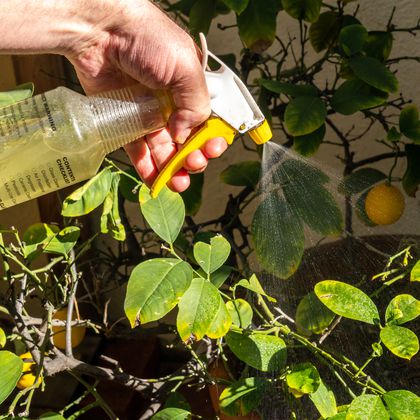
Neem oil contains over 30 biologically active compounds, but its most powerful ingredient is Azadirachtin.
What Azadirachtin Does:
- Stops insects from feeding
- Blocks their ability to grow or molt
- Interferes with reproduction
- Repels adult insects from laying eggs
- Breaks the lifecycle of pests completely
This means neem doesn’t just kill existing pests—it prevents future infestations.
Safe and Organic
When properly diluted, neem oil is non-toxic to:
- Bees
- Butterflies
- Earthworms
- Pets
- Humans
This makes it a perfect choice for edible gardens, terrace gardens, and indoor plants.

Ingredients You Need for the Fast-Acting Neem Pesticide
This recipe is simple, affordable, and requires only three ingredients.
1. Cold-Pressed Neem Oil (Pure, 100%)
- Most effective
- Rich in Azadirachtin
- Dark in color with a strong smell
Avoid “refined” or “clarified” neem oil—they are weak and ineffective.
2. Mild Liquid Soap (Emulsifier)
Examples: dish soap, castile soap
This helps neem oil mix with water and stick to insect bodies.
3. Water
Preferably lukewarm, not hot.
The Perfect Neem Pesticide Recipe (Fast & Organic)
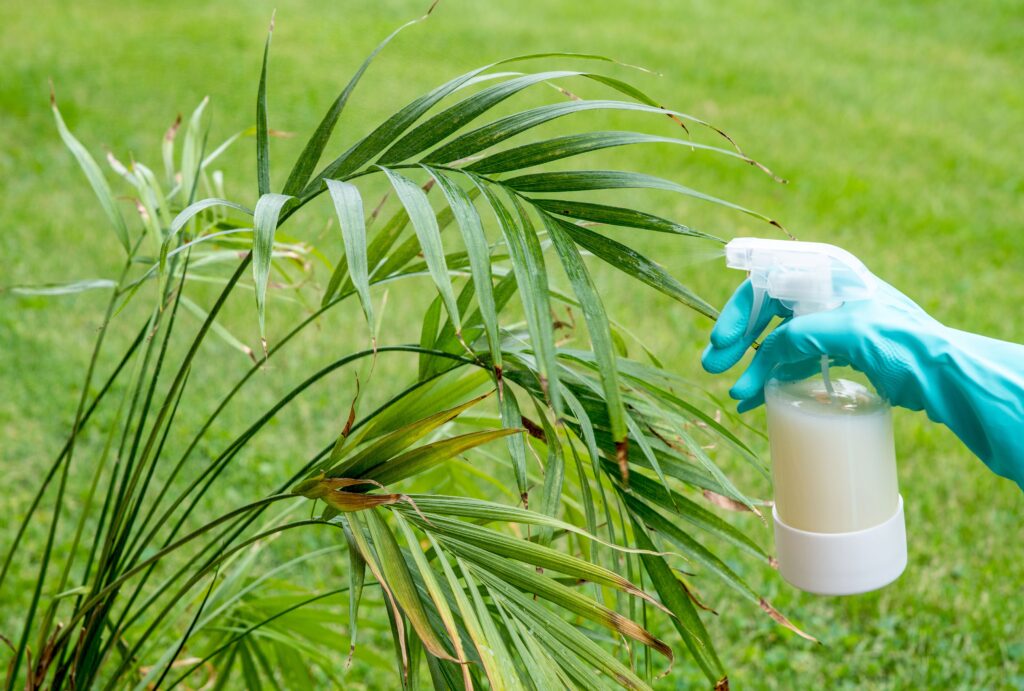
Here is the correct ratio for a 1-liter batch:
Neem Spray Recipe (1 Liter)
- 1 liter water
- 5 ml (1 teaspoon) cold-pressed neem oil
- 1–2 ml liquid soap
Optional (For Extra Strength)
- 1 tsp garlic water (acts as a natural repellent)
- A pinch of turmeric (anti-fungal + insect deterrent)
How to Mix the Solution Properly
Neem oil does NOT mix directly into water, so follow this method:
Step-by-Step Mixing:
- In a small cup, add 5 ml neem oil.
- Add 1–2 ml liquid soap.
- Stir until the mixture turns milky.
- Pour this mixture into 1 liter water.
- Shake well before use.
Your homemade pesticide is ready!
How This Neem Spray Kills Aphids, Caterpillars & Whiteflies Fast
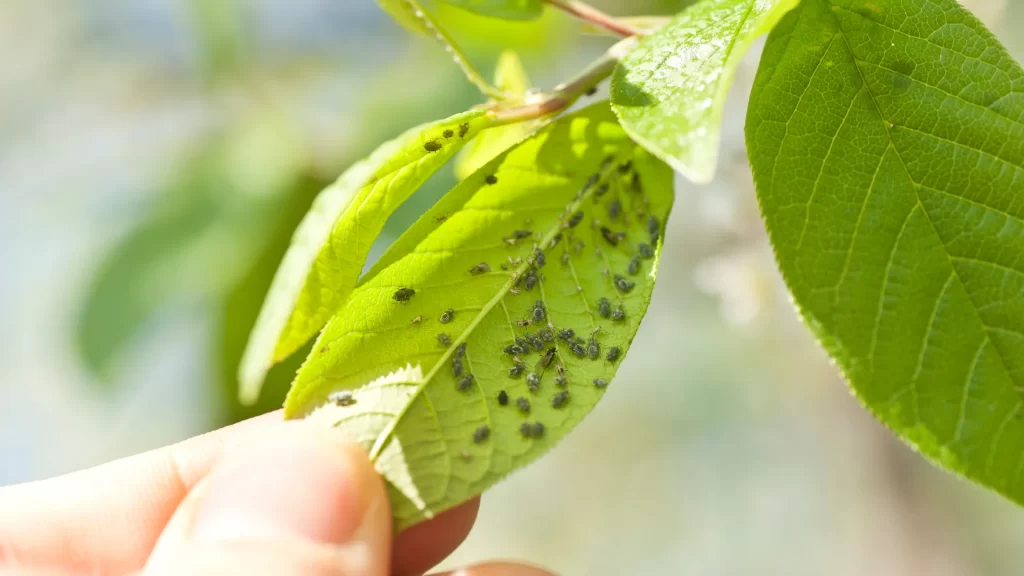
For Aphids
Neem blocks their feeding instantly. Within hours, aphids stop sucking sap and die within 1–2 days.

For Caterpillars
The neem spray coats their soft bodies, causing:
- Loss of appetite
- Paralysis
- Death within 24–48 hours
It also repels adult moths from laying eggs.
For Whiteflies
Neem suffocates adults, dries eggs, and kills larvae. Once sprayed, whiteflies cannot return to the plant for several days.
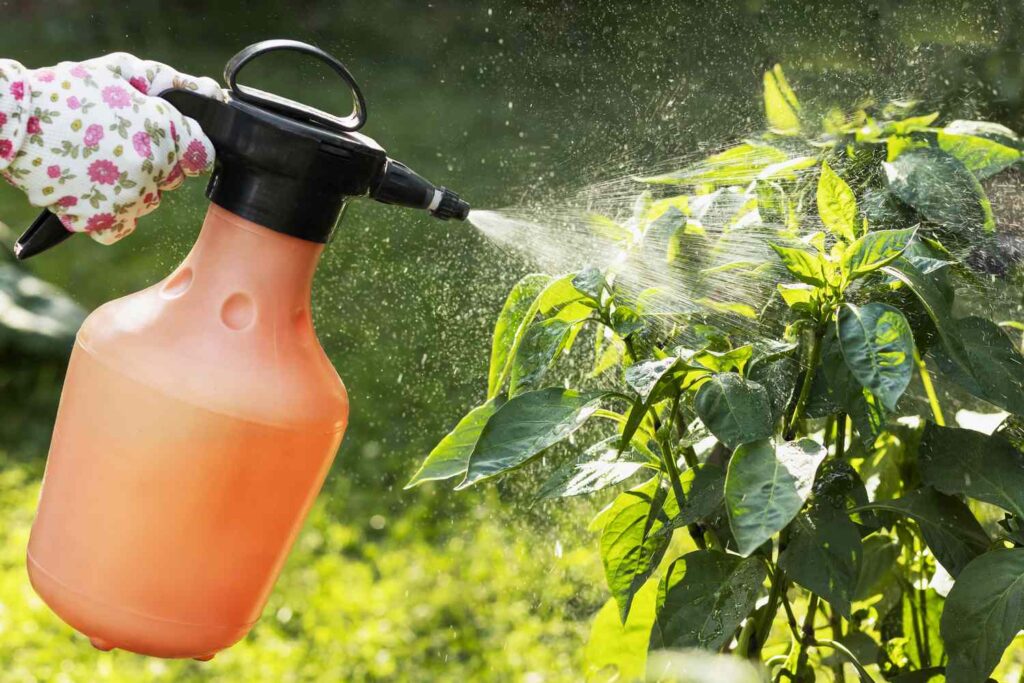
How to Apply Neem Spray Correctly
Spraying technique is more important than the recipe itself. Here’s how to ensure maximum impact:
Spray Time:
- Early morning (before 9 AM) or
- Evening (after 5 PM)
Avoid sunlight—neem can burn leaves.
Where to Spray:
- Top of leaves
- Underside of leaves (MOST IMPORTANT)
- Stems
- Growing tips (common pest zones)
Ensure the leaves are fully coated but not dripping.
How Often Should You Spray?
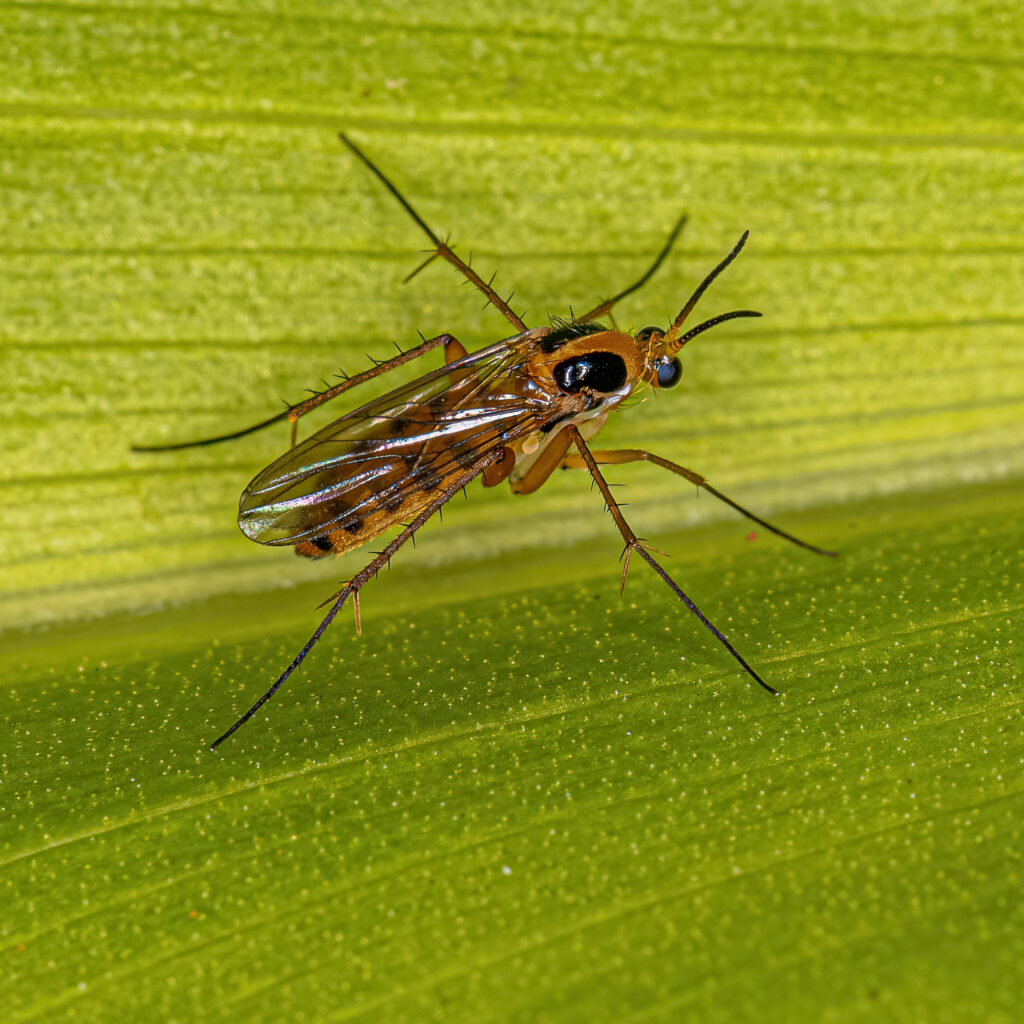
For Active Infestation:
Spray every 2–3 days for 1 week.
For Prevention:
Spray once every 7–10 days.
After Rain:
Rain washes off neem—spray again.

With consistent use, neem breaks the pest lifecycle completely.
Common Mistakes to Avoid (Most Gardeners Do This Wrong!)
To get fast results, avoid these frequent errors:
Using too much neem
Overdose can burn leaves and slow plant growth.
Spraying under full sun
Leads to leaf scorch.
Not shaking the bottle
Neem separates—shake before every spray.
Using refined or cheap neem oils
They contain very low Azadirachtin and do nothing against pests.
Spraying only the top of the plant
Most pests live under leaves.
Using hard water
Reduces neem effectiveness; use filtered or soft water if possible.
Signs Your Neem Spray Is Working
You’ll see visible improvements within a few days:
Aphids turn brown or disappear
Caterpillars stop feeding
Whitefly adults reduce drastically
New leaves appear healthy and glossy
Sticky honeydew on leaves stops
No new eggs under leaves
Neem works steadily but thoroughly—unlike chemicals that kill instantly but harm beneficial insects.
Extra Tips for Maximum Pest Control
1. Combine Neem + Soap Spray
Adding a mild soap boost helps break the protective coating of soft-bodied insects.
2. Add Garlic or Chili Water
Works as a strong repellent for caterpillars and leaf miners.
3. Never Spray When Plants Are Stressed
Avoid spraying during:
- extreme heat
- heavy wind
- drought
4. Spray Neighboring Plants Too
Pests travel! Treat the surrounding area to fully eliminate them.
Why Choose Organic Pest Control?
Chemical pesticides may kill pests instantly, but they also kill bees, beneficial insects, soil microbes, and can leave residues on food crops. Over time, pests develop resistance, forcing gardeners to use stronger chemicals.
Neem offers a better, long-term solution:
- Safe for the environment
- Breaks pest lifecycle naturally
- No harmful residue
- Perfect for edible plants and home gardens
- Sustainable and cost-effective
Conclusion: Neem—Your Garden’s Best Defense
This organic neem pesticide recipe is one of the most effective, affordable, and eco-friendly ways to control aphids, caterpillars, whiteflies, and other garden pests. When used correctly, it not only kills active pests but prevents new infestations, protects tender new leaves, and keeps your plants healthy and strong.
Whether you’re growing vegetables, herbs, fruit trees, or flowering plants, neem is a must-have tool in your garden care kit. With this simple recipe and proper spraying habits, you can maintain a thriving, pest-free garden—naturally.