When you think of bugs in the garden, your first instinct may be to grab the spray bottle or call them pests. But not all insects are bad news for your plants. In fact, many bugs are essential allies that help pollinate flowers, control harmful pests, and even improve the health of your soil.
The secret to a thriving, low-maintenance garden is learning how to welcome beneficial insects and keep them around. Instead of waging war on all creepy crawlies, get to know the good guys that work quietly to balance your garden’s ecosystem. Here are 10 bugs that are actually good for your garden—and why you should encourage them to stay.
1. Ladybugs (Lady Beetles)
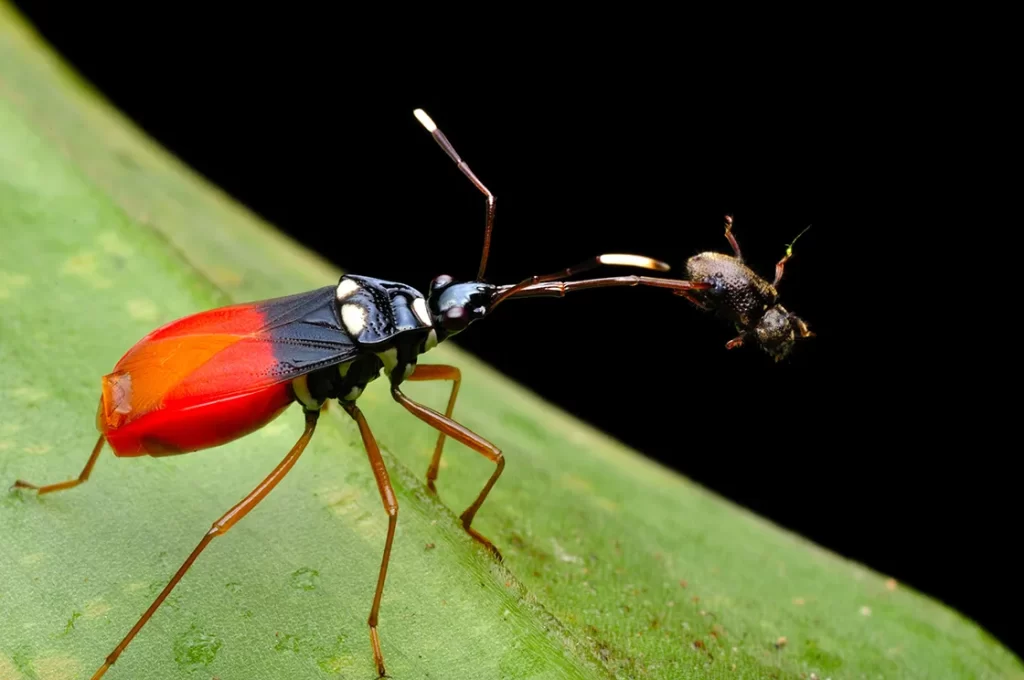
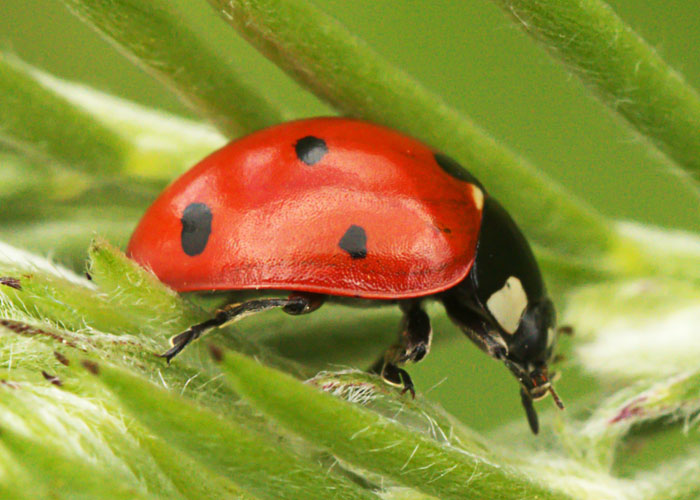
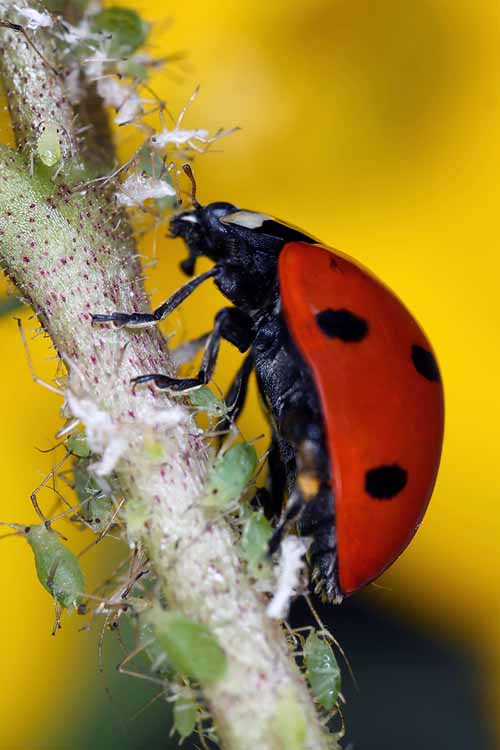
Ladybugs aren’t just cute—they’re voracious predators. Both adults and larvae feed on soft-bodied pests that damage plants.

- What they eat: Aphids, scale insects, mealybugs, whiteflies.
- Why they help: A single ladybug can eat up to 50 aphids a day!
- How to attract them: Plant dill, fennel, and marigolds, or avoid using broad-spectrum pesticides that kill them off.
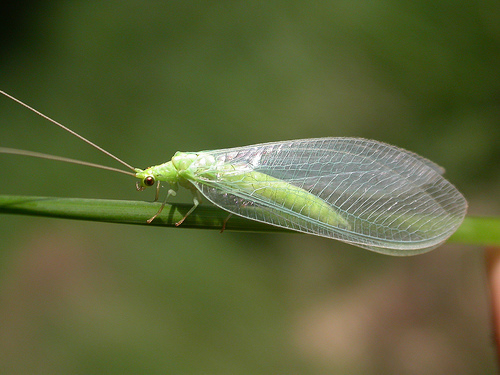
2. Lacewings
Delicate and green, lacewings may look fragile, but their larvae—often called “aphid lions”—are fierce hunters.
- What they eat: Aphids, thrips, mites, leafhoppers, and small caterpillars.
- Why they help: Lacewing larvae can devour hundreds of pests in just a week.
- How to attract them: Grow cosmos, coreopsis, and sunflowers, which provide nectar for adults.
3. Ground Beetles
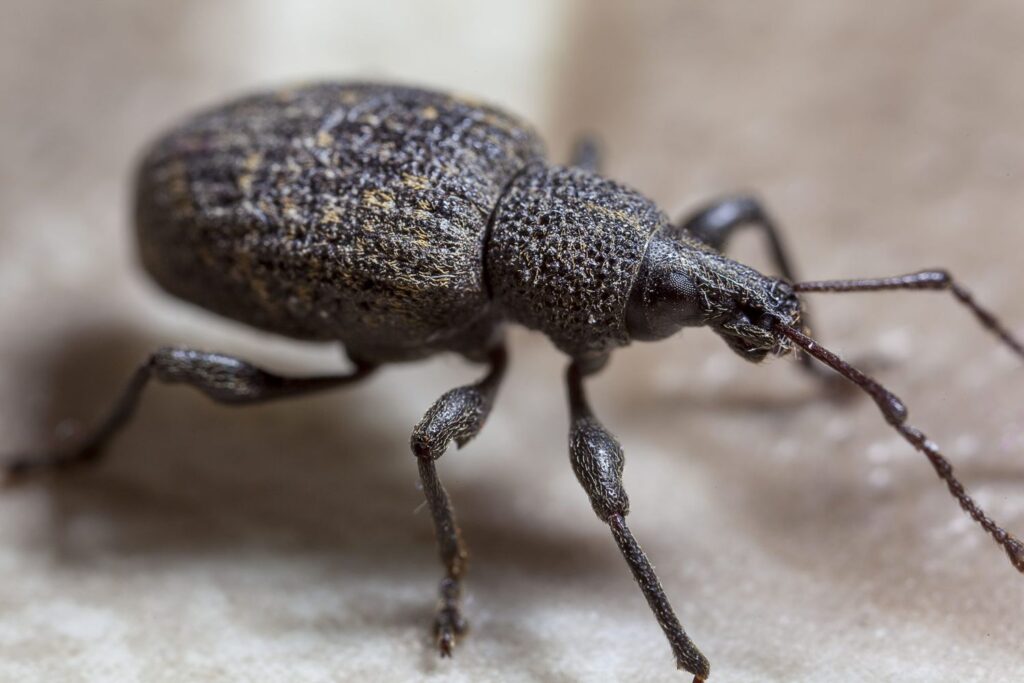
These shiny, dark beetles live at soil level and are excellent pest patrol. They’re nocturnal hunters, feeding on a variety of soil-dwelling insects.
- What they eat: Slugs, cutworms, caterpillars, and maggots.
- Why they help: They protect seedlings and root crops from being chewed up.
- How to attract them: Leave some mulch or ground cover for them to hide during the day. Avoid tilling too often, which disrupts their habitat.
4. Praying Mantises
With their folded front legs and alien-like heads, mantises are impressive predators. They’ll wait patiently and strike with lightning speed.

- What they eat: Grasshoppers, moths, beetles, and even larger insects.
- Why they help: They keep populations of destructive insects under control.
- Caution: Mantises aren’t picky—they may also eat butterflies or bees. Use them as a natural pest control option, but understand they’ll eat almost anything.
5. Hoverflies (Syrphid Flies)
Often mistaken for small bees, hoverflies are harmless and highly beneficial. Their larvae are natural pest control agents, while adults are excellent pollinators.
- What they eat: Larvae consume aphids, mealybugs, and scale insects. Adults feed on nectar and pollen.
- Why they help: They serve a double role as both pest controllers and pollinators.
- How to attract them: Plant herbs like parsley and coriander, and avoid pesticides that kill fly larvae.
6. Parasitic Wasps
Though the name sounds scary, these tiny wasps are some of the best pest managers around. They don’t sting humans but are deadly to garden pests.
- What they eat: They lay eggs inside or on pests such as tomato hornworms, caterpillars, and aphids. The larvae feed on the host, killing it.
- Why they help: They naturally reduce pest populations without you lifting a finger.
- How to attract them: Grow nectar-rich flowers like dill, yarrow, and alyssum.
7. Spiders
Not technically insects (they’re arachnids), spiders are still crucial allies in your garden.

- What they eat: Mosquitoes, flies, beetles, and many insect pests.
- Why they help: Their webs trap flying insects, keeping populations balanced.
- How to attract them: Keep some natural clutter like shrubs or leaf litter, and resist the urge to sweep away every web.
8. Bees
The poster children of pollination, bees are essential for the success of many garden crops.
- What they eat: Nectar and pollen from flowers.
- Why they help: Over 70% of food crops rely on pollinators like bees. Without them, your tomatoes, cucumbers, and berries wouldn’t produce as much.
- How to attract them: Plant native wildflowers, provide shallow water sources, and avoid spraying insecticides during blooming.
9. Soldier Beetles
Often mistaken for fireflies, soldier beetles are helpful pollinators and predators.
- What they eat: Aphids, caterpillars, grasshopper eggs, and nectar.
- Why they help: They reduce harmful insect populations while supporting pollination.
- How to attract them: Plant goldenrod, milkweed, and hydrangeas, which are among their favorite nectar sources.
10. Earthworms
Though not insects, earthworms are arguably the most beneficial “bug” you can have in your soil.
- What they do: Break down organic matter, aerate soil, and enrich it with castings.
- Why they help: Healthy soil equals healthy plants. Worm tunnels allow roots to grow deeper and water to penetrate.
- How to attract them: Add compost, avoid chemical fertilizers, and keep soil moist but not waterlogged.
How to Encourage Beneficial Bugs in Your Garden
Now that you know which insects are on your side, here’s how to keep them around:
- Plant diversity: Grow a mix of flowers, herbs, and vegetables to provide food sources throughout the season.
- Provide shelter: Insects need hiding spots like mulch, rocks, and hedges.
- Avoid pesticides: Even organic sprays can harm beneficial bugs if overused.
- Add water sources: Shallow dishes with stones help pollinators stay hydrated.
Final Thoughts
Not every insect is the enemy. By learning to recognize and encourage beneficial bugs, you’ll save yourself time, money, and frustration in the garden. These tiny allies work for free, balancing pest populations, pollinating crops, and improving soil health.
So next time you see a ladybug or hoverfly, resist the urge to reach for the bug spray. Instead, thank them—they’re some of your garden’s hardest-working helpers.
Remember: a thriving garden isn’t just about plants—it’s about building a balanced ecosystem where nature lends a helping hand.