As summer fades and cooler days set in, many homeowners watch in disappointment as their once-lush green lawns turn patchy and dull. But keeping your grass vibrant well into fall—and even early winter—isn’t just luck. It’s about understanding what your lawn truly needs during this transition season.
The secret to keeping your lawn green longer lies in timing, nutrition, and smart maintenance habits that help grass stay strong, hydrated, and resilient. Whether you have cool-season or warm-season grass, these expert-backed strategies will help you extend that summer-green glow far past the first chill.
1. Understand Your Grass Type

Before diving into lawn care, it’s essential to know what type of grass you’re dealing with. Different grasses respond differently to cooler weather.
- Cool-season grasses (like fescue, bluegrass, and ryegrass) thrive in spring and fall. They stay green longer in cooler climates and only go dormant in deep winter.
- Warm-season grasses (like Bermuda, zoysia, and St. Augustine) peak in summer and begin to brown as temperatures drop below 55°F (13°C).
The secret:
If you live in a transition zone, consider a blend of cool- and warm-season grasses. The cool-season varieties will green up in fall just as warm-season grasses fade, giving you color almost year-round.
2. Feed Your Lawn at the Right Time
Fertilizing is one of the most powerful tools for maintaining green grass—but the timing is everything.
In early fall (September–October):
Apply a slow-release nitrogen fertilizer to help your lawn recover from summer stress and build strong roots. This gives the grass a nutritional reserve that lasts into winter.
In late fall (October–November):
Use a winterizing fertilizer formulated with higher potassium. Potassium strengthens cell walls and improves the lawn’s ability to withstand cold and drought—keeping it green longer before dormancy.

Pro tip:
Avoid fertilizing too late in the season. Once the soil cools and grass growth slows, excess nitrogen won’t be absorbed and may cause disease or runoff pollution.
3. Mow Correctly (and Keep Mowing)
As fall arrives, many people stop mowing too early—but this is a mistake. Grass still grows during cool weather, though more slowly, and needs regular mowing to stay healthy.
Follow these guidelines:
- Keep mower blades sharp: Dull blades tear grass instead of cutting it, leading to brown tips.
- Gradually lower mowing height: In early fall, keep grass about 3–3.5 inches tall. As temperatures drop, reduce height to 2–2.5 inches to prevent matting under snow.
- Don’t scalp the lawn: Cutting too short weakens roots and makes grass more prone to drying out or disease.
The secret:
Mow high early in fall to shade the soil and encourage deep roots, then lower gradually for better air circulation as the season cools.
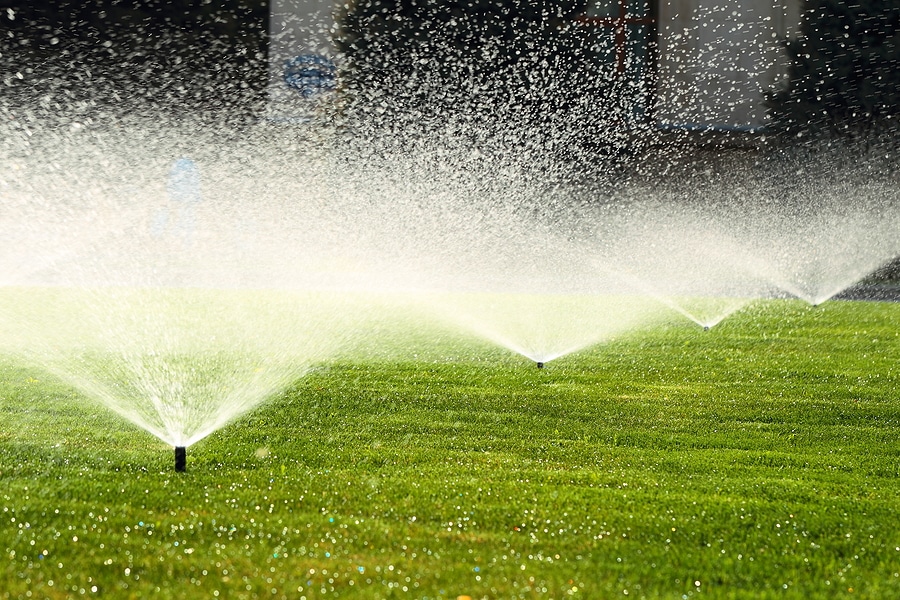
4. Water Deeply, Not Frequently
Fall weather brings more moisture and cooler nights, but your lawn still needs consistent watering. Proper hydration helps roots absorb nutrients and stay active longer before dormancy.
How to water effectively:
- Water 1 inch per week (including rainfall).
- Water deeply but less often—early morning is best to reduce evaporation.
- Avoid shallow watering, which encourages weak surface roots.
Test it: Stick a screwdriver into the soil. If it goes in easily, your soil is adequately moist. If it’s hard, it’s too dry.

Pro tip:
Install a rain gauge or moisture sensor to avoid overwatering—especially in fall when natural rainfall increases.
5. Aerate to Boost Root Health
Over time, compacted soil suffocates your lawn’s roots, making it harder for water, oxygen, and nutrients to reach them. Aerating—removing small plugs of soil—relieves this compaction and encourages stronger root growth.
Best time to aerate:
Fall is ideal for cool-season lawns. The grass is actively growing, and the cooler temperatures help it recover quickly.
After aeration:
- Water deeply to settle the soil.
- Topdress with compost for added nutrients.
- Overseed thin areas to fill gaps before winter.
The secret:
Healthy, deep roots mean grass can draw water and nutrients longer into the season—staying greener even as surface conditions dry or cool.
6. Overseed for a Thicker, Greener Lawn

If your lawn looks thin or patchy by late summer, fall overseeding is the key to restoring its lush appearance. Adding new grass seed helps fill in bare spots and introduces fresh, resilient varieties that stay green longer.
How to do it right:

- Mow and rake to expose soil.
- Aerate first if possible.
- Spread grass seed evenly using a broadcast spreader.
- Water daily for 1–2 weeks until germination.
Choose cool-season grass blends (like fescue or ryegrass) for fall overseeding—they’ll germinate quickly and stay vibrant into early winter.
Bonus:
If you have warm-season grass, overseed with annual ryegrass to maintain green color during the dormant months.
7. Manage Leaves (But Don’t Remove Them All)
Fallen leaves can smother your grass and block sunlight, leading to brown patches. However, removing every leaf isn’t necessary—and can even be counterproductive.
The secret:
Instead of bagging, mulch leaves into the lawn using a mulching mower. Finely chopped leaves decompose quickly, adding valuable organic matter that nourishes your soil.
What to avoid:
Thick layers of wet leaves left on the lawn encourage fungal diseases and suffocate the grass.
8. Control Weeds Before Winter

Weeds like dandelions and clover compete with your grass for nutrients and sunlight, especially in fall when lawns are trying to recover from summer stress.
Use a fall pre-emergent herbicide to prevent weed seeds from germinating, or spot-treat existing weeds with a post-emergent formula.
The secret:
Fall weed control gives grass a competitive edge so it can grow stronger before winter dormancy. A healthy, dense lawn naturally shades out future weeds.
9. Add Organic Matter to Improve Soil Health
Long-term greenness isn’t just about fertilizer—it’s about soil vitality. Enriching your lawn with organic matter improves structure, water retention, and nutrient availability.
Easy ways to build soil health:
- Topdress with compost after aerating.
- Use mulched grass clippings and leaves as a natural soil conditioner.
- Apply an organic lawn tonic (like compost tea or fish emulsion) for a gentle nutrient boost.
Why it works:
Healthy soil fosters stronger roots, which means your grass can access water and nutrients even during dry or cold periods—keeping it greener longer.
10. Prepare for Winter the Smart Way
Before the first frost, give your lawn a final boost that sets it up for long-term color and health.
Checklist:
- Final mow: Keep grass short (about 2–2.5 inches) to prevent snow mold.
- Last fertilizer: Apply winterizer to strengthen roots for spring growth.
- Clean up: Remove sticks, debris, and heavy objects to prevent dead spots.
The secret:
A lawn that enters winter strong and healthy will green up faster and last longer come spring. The care you give it now pays off for months to come.
Bonus Tip: Adjust for Your Climate

If you live in a region with mild winters, you can extend green color even further with these tricks:
- Overseed warm-season lawns with perennial ryegrass for lush green winter cover.
- Use liquid iron supplements instead of nitrogen fertilizer to enhance color without forcing growth.
- Continue watering during dry winter spells to prevent desiccation.
In colder climates, focus on deep fall feeding and aeration to strengthen roots before dormancy.
Final Thoughts
Keeping your lawn green longer isn’t about endless watering or constant fertilizing—it’s about nurturing soil health, timing your care wisely, and building resilience.
By understanding your grass type, feeding and watering strategically, and investing in strong roots during fall, you set the stage for a vibrant lawn that stays green deep into the season—and rebounds beautifully in spring.
Think of fall lawn care not as the end of the growing year, but as the foundation for next year’s success. A little extra effort now means a greener, stronger, more beautiful lawn that lasts longer—and that’s the real secret behind a lawn that never loses its luster.