When winter settles in and snow blankets the garden, that doesn’t mean your green thumb has to take a break. In fact, the cold months are the perfect time to bring your garden indoors—especially when it comes to Christmas herbs. Growing herbs indoors during winter not only adds fresh flavor to your festive dishes but also fills your home with beautiful aromas that capture the cozy spirit of the season.
Whether you’re whipping up a classic roasted turkey, baking savory stuffing, or crafting DIY herbal gifts, these five herbs are easy to grow inside your home, even in the chilliest weather. Let’s explore the five best Christmas herbs to grow indoors this winter and learn how to nurture them for fresh, fragrant, and flavorful results all season long.
1. Rosemary – The Quintessential Christmas Herb
If one herb embodies the scent and spirit of Christmas, it’s rosemary. With its pine-like aroma and needle-shaped leaves, rosemary perfectly complements festive cooking and doubles as a fragrant holiday decoration.
Why Grow It Indoors:
Rosemary thrives in sunlight and is simple to maintain indoors with the right setup. It brings a touch of greenery to your kitchen windowsill while serving as a culinary essential for your holiday menu.
Growing Tips:
- Place rosemary in a south-facing window where it receives at least 6–8 hours of sunlight daily.
- Use well-draining soil—a cactus or sandy mix works well.
- Avoid overwatering; let the top inch of soil dry before watering again.
- Maintain indoor temperatures between 60–70°F (15–21°C) for best growth.
Christmas Uses:
- Add rosemary sprigs to roasted meats, potatoes, and vegetables.
- Use it to infuse oils, butter, or marinades for festive flavor.
- Create a DIY rosemary wreath or small table centerpiece for natural holiday décor.
Fun Tip: Wrap a few rosemary stems in twine to make simple yet fragrant holiday herb bundles—they make lovely gifts for fellow garden enthusiasts.
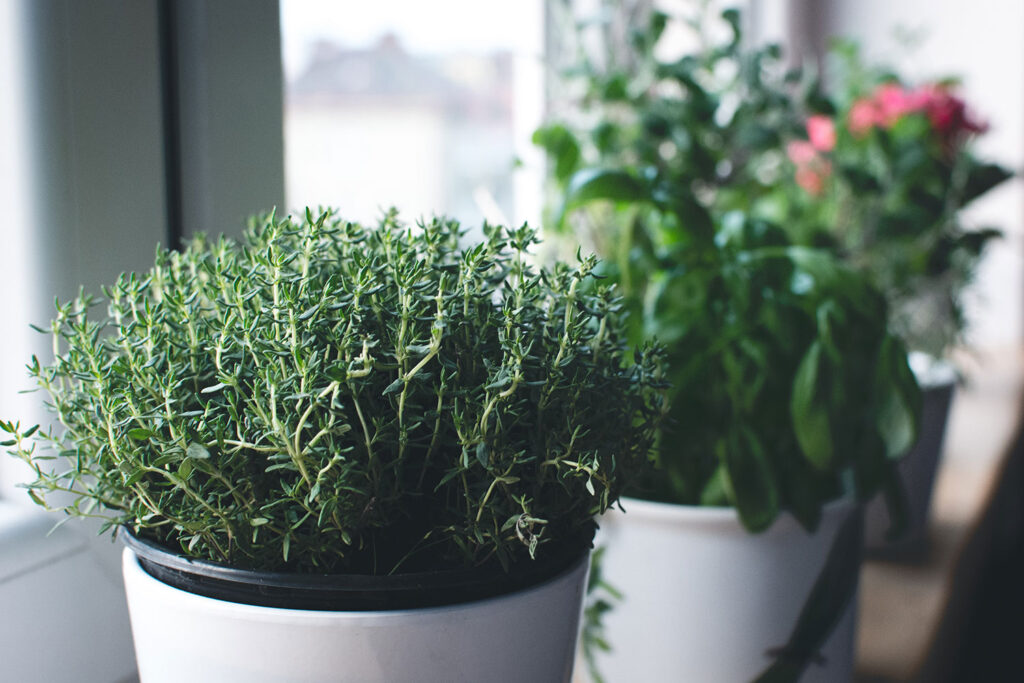
2. Thyme – A Fragrant Touch of Winter Flavor
Thyme is another classic winter herb that thrives indoors and pairs beautifully with holiday dishes. Its earthy, lemony aroma enhances everything from roasted chicken to stuffing and vegetable casseroles.
Why Grow It Indoors:
Thyme is low-maintenance, compact, and perfect for small containers or kitchen shelves. It adds freshness to your cooking and emits a calming scent that complements the holiday atmosphere.
Growing Tips:
- Provide 5–6 hours of direct sunlight daily (a sunny kitchen window or grow light works great).
- Use light, well-drained soil, and water only when the soil feels dry to the touch.
- Trim regularly to encourage new growth and prevent woody stems.
- Keep the temperature around 65–75°F (18–24°C) indoors.
Christmas Uses:
- Sprinkle thyme leaves over roasted turkey, pork, or vegetables.
- Mix into stuffing or savory breads for a holiday twist.
- Add to homemade herb butter or sauces for Christmas dinners.
Pro Tip: Thyme is one of the best herbs to dry for later use—simply hang sprigs upside down in a warm, dry spot, and you’ll have plenty for post-holiday meals too.

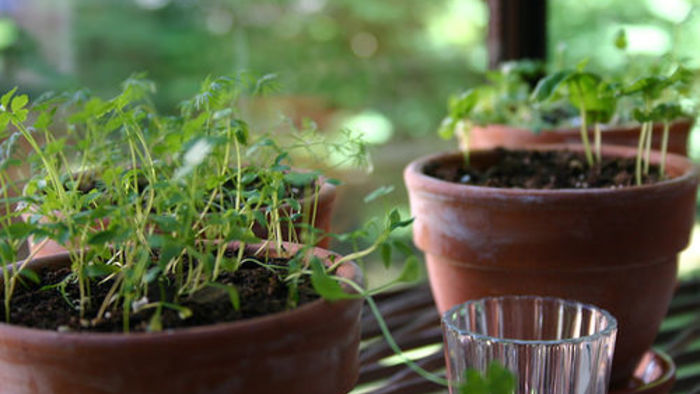
3. Parsley – The Fresh Finisher for Festive Meals
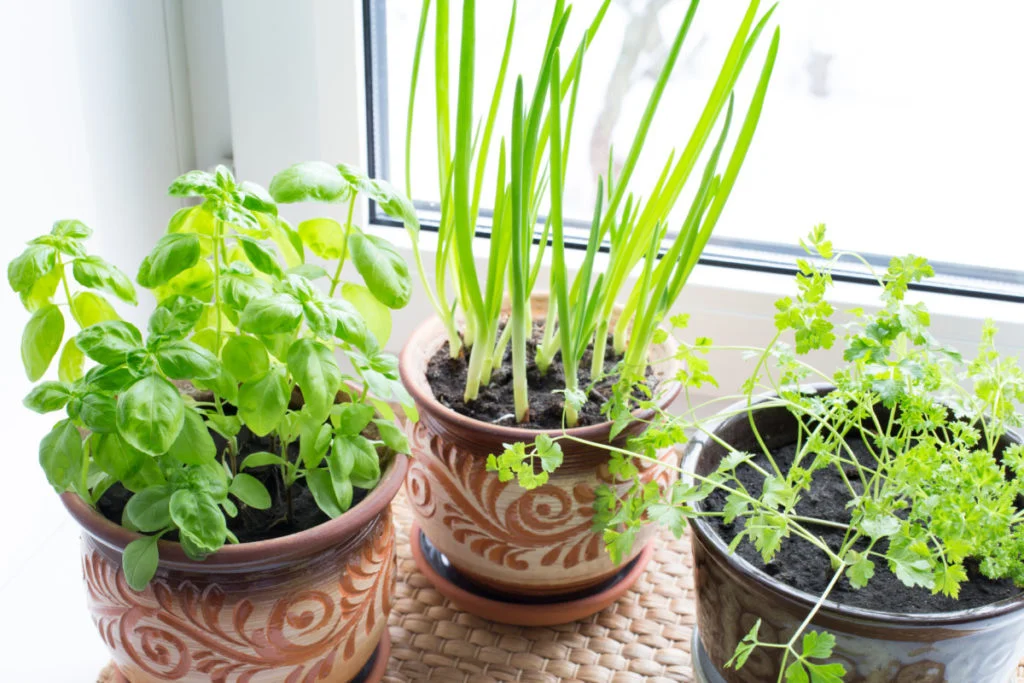
Though parsley is available year-round, it shines during the winter holidays for its versatility and vibrant color. Its bright, slightly peppery flavor adds freshness to rich dishes and makes for a beautiful garnish on any Christmas table.
Why Grow It Indoors:
Parsley adapts well to indoor conditions and continues to produce flavorful leaves through the colder months. It’s perfect for brightening up your kitchen windowsill and adding a splash of green to gray winter days.
Growing Tips:
- Choose deep containers (at least 6 inches) to accommodate its long roots.
- Place in a sunny window with 5–6 hours of light per day, or use a grow light if natural light is limited.
- Keep the soil moist but not soggy; parsley prefers consistent watering.
- Harvest by cutting outer leaves first to encourage continuous growth.
Christmas Uses:
- Use fresh parsley in holiday gravies, soups, and salads.
- Sprinkle over mashed potatoes, pasta, or roasted vegetables for color and flavor.
- Combine with rosemary and thyme for an aromatic Christmas herb mix.
Pro Tip: For a decorative touch, tie small parsley bunches with red ribbon and place them on your Christmas dinner table for a festive, herbal centerpiece.
4. Sage – The Star of Christmas Stuffing
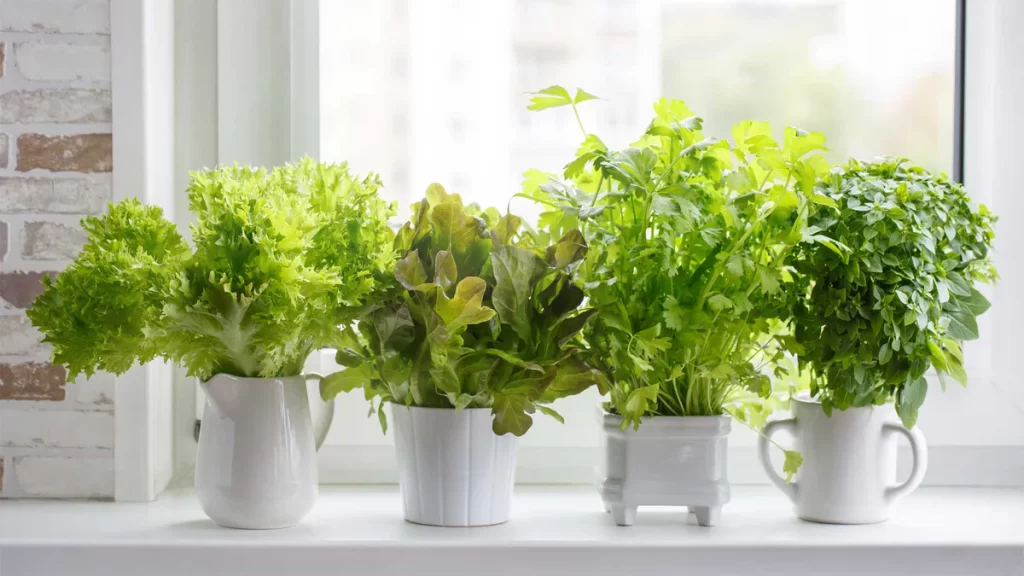
When it comes to Christmas cooking, sage is a must-have herb. Its robust, slightly peppery flavor gives warmth and depth to holiday favorites like stuffing, sausage, and gravy. Plus, sage’s velvety, silver-green leaves make it a visually stunning addition to your indoor garden.
Why Grow It Indoors:
Sage is resilient and can thrive indoors during winter with just a bit of care. It’s ideal for kitchen counters and windowsills, adding both culinary and ornamental value.
Growing Tips:
- Place in a bright window with at least 6 hours of sunlight daily.
- Allow soil to dry between waterings—overwatering can lead to root rot.
- Use terra-cotta pots to ensure proper drainage.
- Maintain indoor temperatures around 65–70°F (18–21°C).
Christmas Uses:
- Mix chopped sage into stuffing or meat rubs.
- Infuse sage leaves into butter or olive oil for savory flavor.
- Fry sage leaves for a crispy garnish on holiday pasta or roasted dishes.
Pro Tip: Dried sage can be used in DIY holiday potpourri—combine it with cinnamon sticks, orange peels, and cloves for a warm, festive aroma that fills your home.
5. Mint – A Refreshing Twist on Holiday Classics
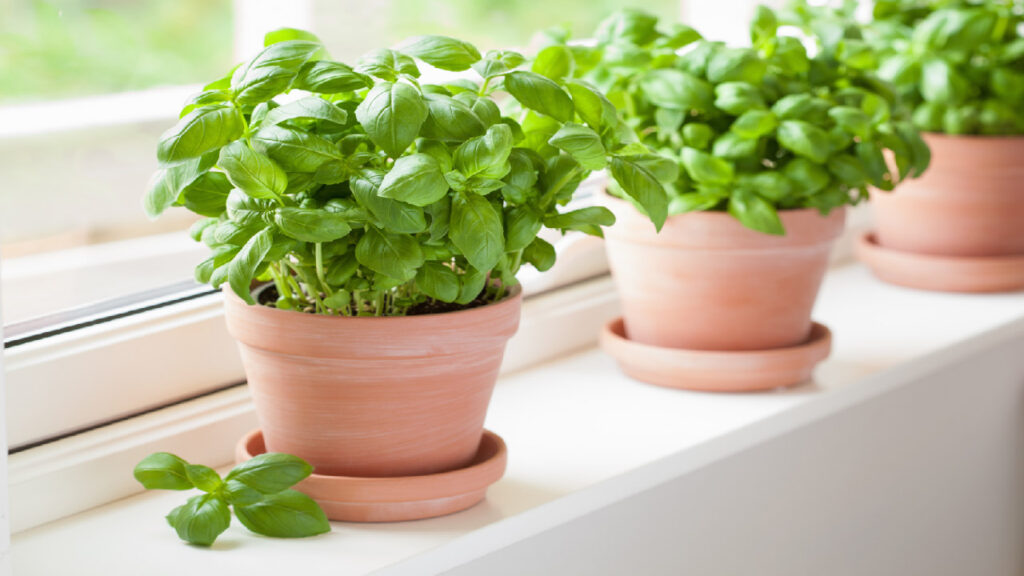
No Christmas is complete without the cool, sweet aroma of mint. From peppermint hot cocoa to minty cocktails and desserts, this herb brings a refreshing twist to holiday celebrations. Plus, its bright green leaves look stunning against Christmas red and gold décor.
Why Grow It Indoors:
Mint thrives indoors during winter and adds a touch of freshness to both your cooking and home environment. It’s also one of the easiest herbs to grow—perfect for beginners or busy holiday hosts.
Growing Tips:
- Mint grows best in indirect sunlight—a bright window or under a grow light works perfectly.
- Keep the soil consistently moist, but ensure good drainage.
- Mint spreads quickly, so plant it in its own pot to prevent crowding.
- Trim often to encourage new, healthy leaves.
Christmas Uses:
- Add mint leaves to holiday teas, hot chocolate, or cocktails.
- Use as a garnish for desserts, fruit platters, and puddings.
- Dry the leaves and mix them into homemade peppermint sugar for gifting.
Pro Tip: Create your own mint-infused holiday syrup by simmering sugar, water, and fresh mint leaves. Drizzle it over pancakes, coffee, or festive desserts for a delightful flavor boost.
Bonus Tip: Setting Up Your Indoor Christmas Herb Garden
Creating a thriving indoor herb garden is easier than you might think—and it can double as seasonal décor during the holidays. Here’s how to make your setup festive and functional:
- Choose Decorative Pots: Use red, green, or gold ceramic pots for a cheerful Christmas look. You can even wrap your pots with burlap and ribbon.
- Use Grow Lights: During short winter days, LED grow lights help your herbs get the light they need to stay healthy and lush.
- Add Holiday Touches: Decorate your windowsill garden with mini ornaments, fairy lights, or pinecones for an instant seasonal upgrade.
- Water Mindfully: Most herbs prefer slightly dry soil between waterings, so don’t overdo it.
- Harvest Regularly: Snip herbs often to encourage new growth and keep your plants from becoming leggy.
Pro Tip: Arrange your herbs near your kitchen prep area so you can easily grab fresh sprigs while cooking your holiday meals.
Conclusion: Bring Holiday Flavor to Life with Indoor Herbs
Growing herbs indoors during the winter isn’t just about convenience—it’s about bringing the spirit of Christmas into your home. The earthy aroma of rosemary and thyme, the vibrant freshness of parsley and mint, and the comforting warmth of sage can transform your kitchen into a holiday haven.

From enhancing your Christmas dinner to creating DIY gifts and festive décor, these herbs are versatile, aromatic, and deeply rewarding to grow. So this winter, skip the store-bought herbs and cultivate your own indoor Christmas herb garden—a living, breathing celebration of holiday flavor and freshness.