Growing a lemon tree is incredibly rewarding, but waiting years for a small seedling to grow can be frustrating. What if you could grow a full-sized, fruit-ready lemon tree in record time—without seeds, without buying new plants, and with almost 100% success rate?
That’s exactly what air layering allows you to do.
Air layering is one of the most powerful propagation techniques for lemon trees. In just 30 days, you can create a new, fully rooted lemon plant directly from a mature branch. This method is fast, reliable, and perfect for beginners who want quick results.
In this detailed 1200-word guide, you’ll learn exactly how to MASTER air layering and grow strong, healthy lemon trees faster than ever before.
Why Air Layering Works So Fast
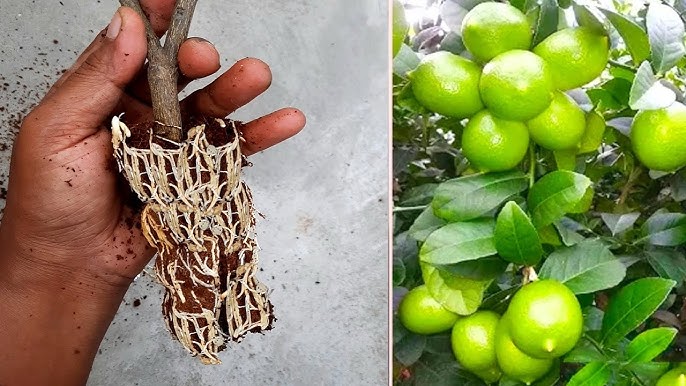
Air layering is a propagation technique that encourages roots to develop on a branch while it’s still attached to the parent tree. Because the branch continues receiving nutrition from the mother plant, it:
- Roots extremely quickly
- Produces stronger, healthier roots
- Creates a clone of the parent tree
- Fruits earlier than seedlings
- Eliminates transplant shock
Unlike cuttings, which need careful moisture and light control, air layering has a much higher success rate—even for beginners.
If you want a lemon tree that grows fast, fruits early, and is genetically identical to your best plant, air layering is the best method.
What You Need for Successful Air Layering
You only need a few simple materials:
- A healthy lemon tree
- Sharp knife or blade
- Moist coco peat or sphagnum moss
- Plastic wrap or cling film
- Twine or zip ties
- Optional: rooting hormone or aloe vera gel
- Aluminum foil (to protect roots from sunlight)
All items are inexpensive and easily available at home or any garden store.
Step-by-Step Guide: Master Air Layering in 30 Days
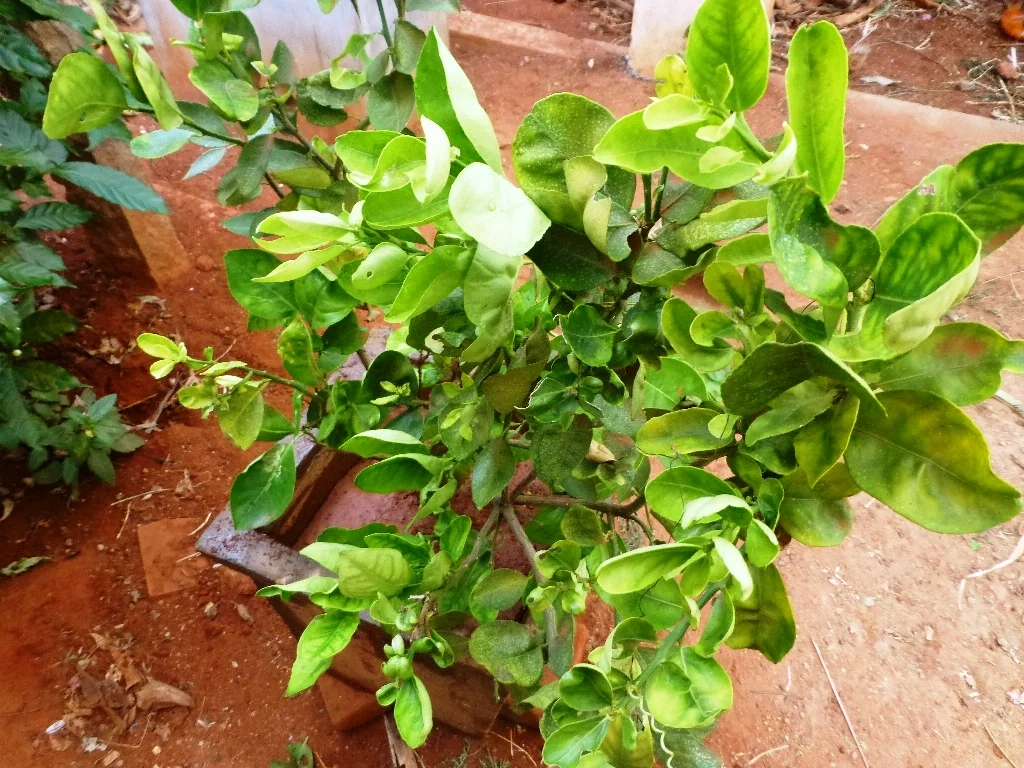
Here’s the exact process to help you get the fastest possible root growth.
Step 1: Choose the Right Branch
The branch you select determines the success of your air layering.
Choose a branch that is:

- Healthy and green
- Pencil-thick or slightly thicker
- At least 1 year old
- Free from pests or disease
- Always producing new shoots
Avoid branches that are dry, woody, or too young.
The best time to perform air layering:
Spring
Early summer
Mild, warm months
This is when lemon trees have the highest growth activity.
Step 2: Remove a Ring of Bark
This is the heart of air layering.
- Pick a point 12–18 inches from the branch tip.
- Make two circular cuts about 1 inch apart around the branch.
- Connect them with a vertical cut.
- Peel off the bark cleanly.
- Scrape off the green layer (cambium) lightly.
Why this matters:
Removing the bark stops nutrients from flowing downward, forcing the plant to push root development at that exact point.
Pro tip:
Don’t cut too deep. Your goal is to remove the bark, not damage the branch wood.
Step 3: Apply Rooting Hormone or Aloe Vera
This step boosts your success rate even more.
Apply:
- Rooting hormone powder or
- Fresh aloe vera gel
Benefits:
- Prevents infection
- Speeds up root formation
- Increases rooting strength
Aloe vera is natural, easy to use, and works beautifully with lemon trees.
Step 4: Add Moist Coco Peat or Sphagnum Moss
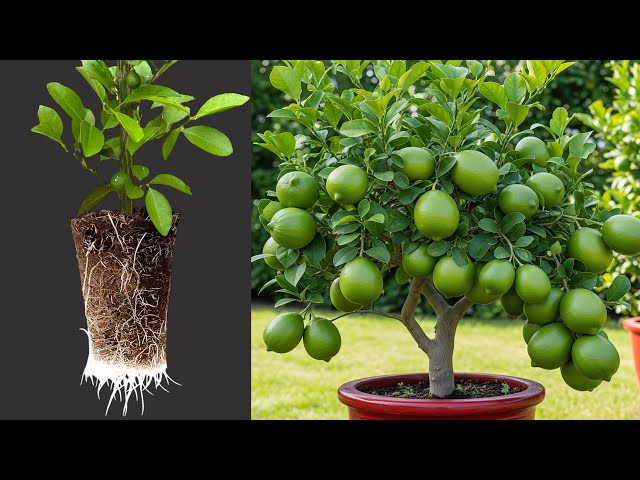
This is the growing medium where your new roots will develop.
How to prepare it:
- Soak coco peat or moss in water for 30 minutes
- Squeeze out excess water
- It should be moist—NOT dripping
Wrap the wet medium around the wounded area in a thick layer (about the size of your fist).

Why coco peat or moss?
- Retains moisture
- Provides excellent aeration
- Prevents fungal infection
Roots will form inside this moist pocket.
Step 5: Wrap the Moss Properly
Use plastic wrap or cling film to tightly secure the moss around the branch.
Make sure:
- No moisture escapes
- No air gaps remain
- Moss does not dry out
Secure both ends with:
- Twine
- Rubber bands
- Zip ties
Once sealed, wrap the whole thing with aluminum foil to protect the roots from sunlight.
This creates a perfect mini greenhouse for root growth.
Step 6: Wait 30 Days—But With Simple Care
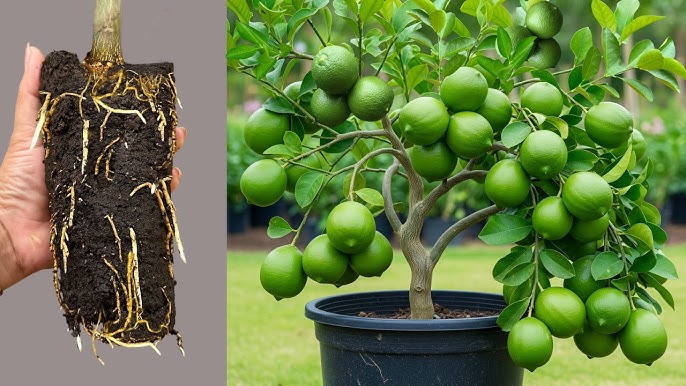
Air layering requires very little work once wrapped.
For the next 30 days:
Check moss moisture every 10–12 days
If dry, gently open and spray water
Avoid direct sunlight
Keep the tree healthy (normal watering & fertilizer)
Within 20–30 days (sometimes 40 depending on weather), you’ll start seeing:
- White root tips
- Thick root clusters
- A strong root ball forming inside the plastic
Congratulations—you have a new lemon tree growing!
Step 7: Cut and Transfer Your New Lemon Plant
Once roots fill the moss ball, it’s time to cut the branch and plant it.
How to remove it:
- Use sharp pruners
- Cut below the rooted area
- Remove all plastic and moss carefully
- Keep the roots intact
Place it immediately in a pot filled with:
- 50% garden soil
- 25% compost
- 25% sand or perlite
Water lightly and keep in shade for 7 days.
After that, move gradually into sunlight.
Your new lemon tree will begin pushing new shoots within weeks!
Why Air-Layered Lemon Trees Grow Faster
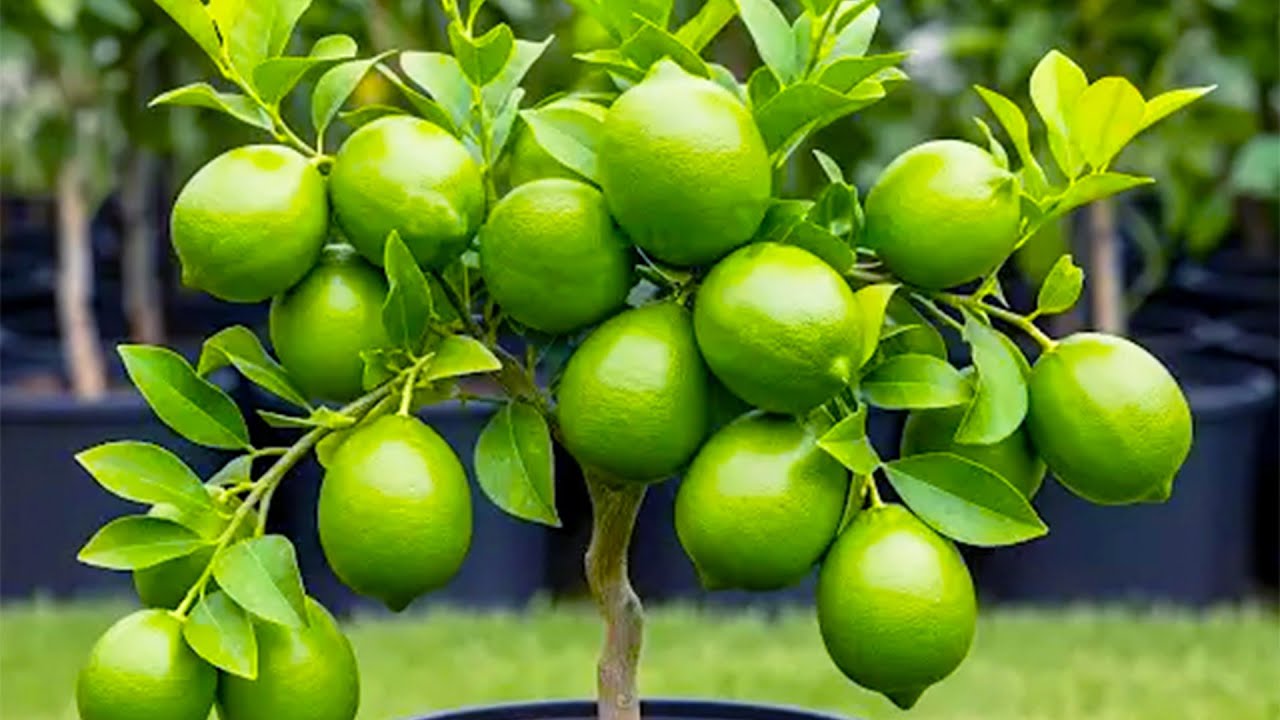
Air-layered plants have huge advantages:
Developed root system from day one
Unlike cuttings that start rootless, air-layered plants come with strong roots.
Zero transplant shock
The branch continues receiving nutrients while forming roots.
Faster fruiting
Since it’s a cloned branch, it inherits the maturity of the mother tree.
Air-layered lemon trees can fruit within 1–2 years, much faster than seedlings.
Strong disease resistance
Healthy parent plants pass on their strength.
Caring for Your New Lemon Tree
After planting your air-layered lemon tree, give it the right care to ensure rapid growth.

1. Sunlight
Lemon trees love sun.
6–8 hours of sunlight daily
If indoors, place near a south-facing window
2. Watering
Avoid overwatering.
- Water only when the top inch of soil feels dry
- Ensure pot has proper drainage
- Never leave the pot sitting in water
3. Fertilizing
Feed every 20–30 days with:
- Citrus fertilizer
- Compost tea
- Seaweed solution
- Cow dung manure
This encourages fast growth and better fruit production.
4. Pruning
Pruning helps your new lemon tree develop a stronger structure.
Trim:
- Weak branches
- Crossing stems
- Yellow or damaged leaves
This pushes the plant to grow faster and healthier.
5. Repotting
Move your plant to a larger pot after 3–4 months.
Ideal pot sizes:
- Start: 8–10 inches
- Next: 14–16 inches
- Final: 18–22 inches
More space = faster root spread = faster growth.

Common Mistakes to Avoid in Air Layering
Avoid these beginner mistakes:
Using dry moss
Cutting too deeply into the branch
Not wrapping tightly
Exposing the layer to direct sunlight
Using very thin or weak branches
Not checking moisture
Cutting too early before roots form
Correct these, and your success rate will be nearly 100%.
Final Thoughts: You Can Master Lemon Tree Air Layering!
Air layering is one of the easiest, fastest, and most effective ways to grow lemon trees—especially for beginners who want QUICK results. With the right method, you can produce strong, healthy, fruit-ready trees in just 30 days, without complicated tools or expensive materials.
By following this step-by-step guide, you will not only master air layering but also build the confidence to propagate all kinds of fruit trees at home.