If you love gardening and dream of growing your own lemon tree, propagating it from cuttings is one of the easiest and most rewarding methods. But many beginners struggle with slow rooting or failed cuttings. The truth is, lemon cuttings CAN root fast—sometimes even within a few weeks—if you use the correct techniques.
In this detailed guide, you’ll learn proven tips, expert tricks, and simple steps to help your lemon tree cuttings grow faster, stronger, and with near-perfect success. Whether you’re a beginner or an experienced gardener, these tips will help you grow a thriving lemon plant in no time.
Why Grow Lemon Trees from Cuttings?
Before jumping into the tips, it’s important to know why propagation from cuttings is so popular:
- You get true-to-type lemon trees (same fruit as the mother plant)
- Faster fruiting than growing from seeds
- Economical and requires minimal materials
- Higher success rate with the right techniques
Now, let’s move to the best ways to speed up the rooting process.
1. Choose the Right Cutting—This Is the First Key to Fast Growth
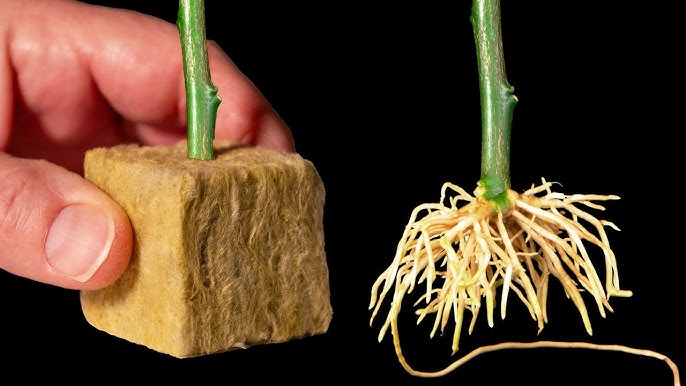
The success of your propagation starts with selecting the perfect cutting.
Choose a semi-hardwood cutting
- Not too soft (which rots easily)
- Not too hard (which roots slowly)
Semi-hardwood cuttings come from stems that are green but firm and slightly mature.
Ideal length: 6–8 inches
This length has enough nodes and tissue to form roots quickly.
Pick a disease-free, pesticide-free branch
Healthy mother plants produce healthy offspring.
This simple step alone can reduce rooting time by 30%.

2. Make a Clean Cut to Encourage Fast Rooting
Use a sharp, sterilized knife or pruning scissors.
Pro tip:
Cut the bottom at a 45-degree angle.
Why?
Because it increases the surface area for rooting and boosts water absorption.
Remove all leaves except the top 2–3. This allows the plant to focus energy on root production instead of sustaining leaves.
3. Use Rooting Hormones or Natural Boosters
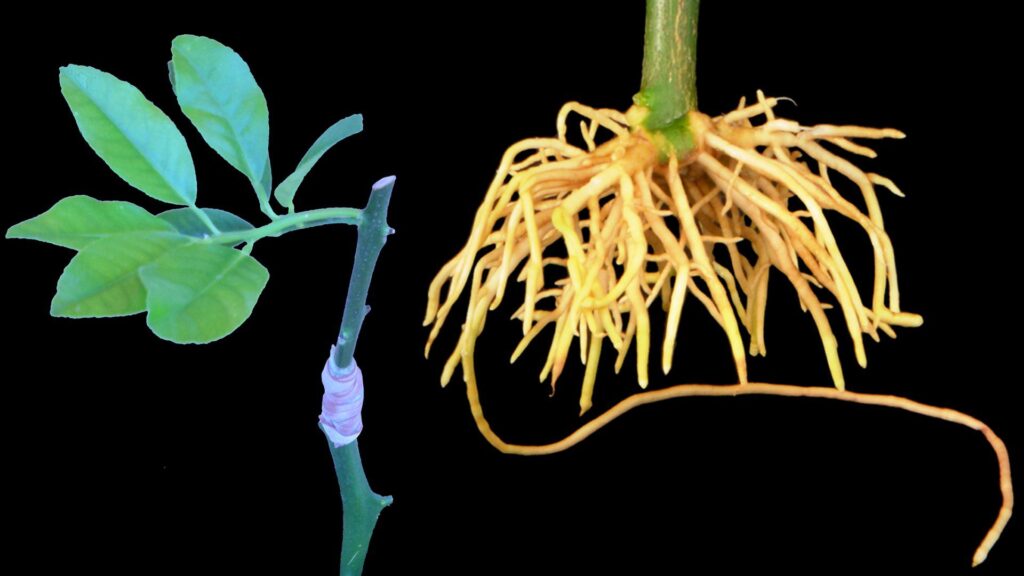
To root lemon cuttings faster, rooting hormones are extremely helpful.
Best options:
- Commercial rooting hormone powder/gel
- Aloe vera gel (natural and very effective)
- Honey water
- Willow water (contains natural rooting compounds)
Why these help:
- They prevent fungal infection
- Stimulate rapid cell division
- Encourage stronger and faster root formation
Dip the cut end into your chosen rooting stimulant and plant immediately.
4. Select the Right Growing Medium for Fastest Rooting
Many gardeners fail simply because the soil is wrong. Lemon cuttings cannot root properly in dense or clay-like soil.
Use this perfect rooting mix:
- 40% coco peat
- 40% perlite or river sand
- 20% compost
Important qualities:
Airy
Quick-draining
Moist but not waterlogged
Roots grow quicker when they receive enough oxygen, so a light medium is essential.
5. Maintain Perfect Moisture—Not Too Wet, Not Too Dry
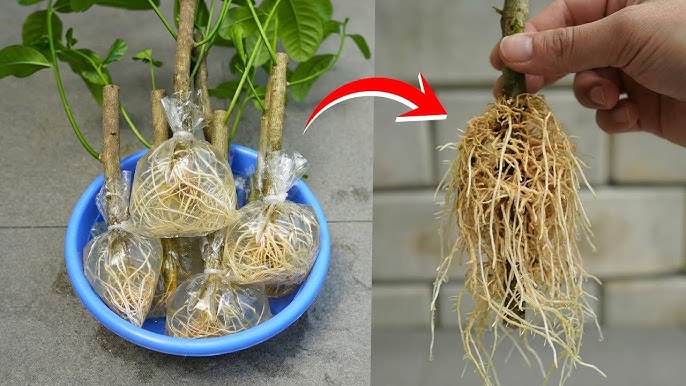
Moisture control is critical to prevent rot and support root growth.

Follow this rule:
- Keep the soil lightly moist at all times
- Never let it dry out completely
- Never let water stand at the bottom
Use a spray bottle to mist the soil rather than pouring water directly.
Pro Tip:
Use boiled and cooled water to avoid bacterial contamination.
6. Keep the Cuttings Warm—Warmth = Faster Rooting
Lemon trees LOVE warmth.
Ideal temperature for rooting:
22°C to 28°C (71°F to 82°F)
Warm conditions accelerate metabolic activity, helping the cutting produce roots faster.
You can place your cuttings in:
- A warm windowsill
- A greenhouse
- A humidity dome
Avoid cold drafts or air-conditioned rooms.
7. Use a Humidity Dome or Plastic Bag for Faster Results
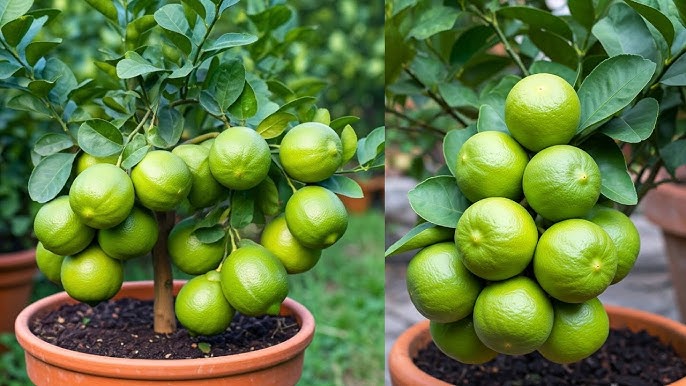
Humidity is one of the most powerful factors in rooting cuttings.
Create a mini greenhouse:
- Cover the pot with a transparent plastic bag
- Keep a small gap for airflow
- Mist the inner sides of the bag regularly
This traps moisture and heat, creating the perfect microclimate for rooting.

Cuttings root 50% faster in high humidity conditions.
8. Provide Bright, Indirect Light
Light is essential—but harsh sunlight can dehydrate your cutting.
Best lighting conditions:
- Place in bright, indirect light
- Avoid direct midday sun
- A shaded balcony or window corner works perfectly
Once roots develop, gradually expose the plant to more sunlight.
9. Rotate or Gently Move the Pot Weekly
This trick helps the plant grow evenly and prevents one-sided root development.
A slight rotational shift ensures:
- Even light exposure
- Balanced moisture
- Stronger root formation
10. Improve Airflow to Prevent Mold
Good airflow keeps your cutting healthy.
Tips:
- Keep the pot near a ventilated window
- Do not trap too much moisture inside the dome
- Avoid overcrowding several cuttings together
- Allow fresh air for 10–15 minutes daily
Healthy air circulation reduces fungal problems and supports faster growth.
11. Avoid Overfertilizing—Cuttings Don’t Need It Yet
Many beginners make the mistake of feeding young cuttings with fertilizers.
This slows growth because the cutting has no roots yet to absorb nutrients.

When to start fertilizing:
- After the first sign of new leaf growth
- Or 2–3 weeks after rooting is confirmed
- Use half-strength liquid fertilizer
Start gentle to avoid burning the new roots.
12. Transplant at the Right Time
If you transplant too early or too late, you may damage the fragile roots.
Ideal transplant time:
When you see:
- New leaf growth
- Roots coming out of drainage holes
- Or the cutting feels firmly anchored when tugged gently
Transplant into a slightly larger pot with rich, well-draining soil.
13. Use Bottom Heat (Optional but Powerful)
Bottom heat accelerates rooting by warming the base of the cutting.
Use:
- A seedling heat mat
- A warm tile surface
- A covered greenhouse shelf
This can speed up rooting by 20–40%.
14. Always Keep Tools and Pots Clean
Cleanliness prevents fungal infections, which are the biggest enemy of lemon cuttings.
Tips:

- Sterilize tools with rubbing alcohol
- Wash pots before reuse
- Avoid touching the cut end with bare hands
Healthy environment = faster rooting.
15. Take Multiple Cuttings at Once
Even with high success rates, taking multiple cuttings ensures you get the best results.
More cuttings = more chances of success + faster selection of strongest ones.
Final Thoughts: Fast-Rooting Lemon Cuttings Are Completely Possible!
Growing a lemon tree from cuttings doesn’t have to be slow or difficult. With the right cutting, proper soil, consistent moisture, and a warm, humid environment, your lemon cuttings can develop roots surprisingly fast—sometimes in just 2–3 weeks.