Succulents have become a favorite in modern home decor and gardening because they are low-maintenance, visually appealing, and perfect for gifting. From tiny rosettes to vibrant echeverias, succulents add charm to any space. But there’s more to succulents than meets the eye—they carry stories, make meaningful gifts, and bring life to homes.
In this article, we explore the joys of growing succulents, caring for them, and sharing them with friends and family, inspired by the viral sentiment: “Did you buy it again? No, I already had it, but someone gave it to me.” Succulent lovers know that each plant has its story and memory, making them more than just decor—they’re tiny treasures.
Introduction: Why Succulents Are the Perfect Plants
Succulents are plants with thick, fleshy leaves that store water, which makes them resilient and easy to grow in a variety of conditions. Their popularity has soared because:
- They thrive in small spaces, perfect for apartments and desktops
- Require minimal watering, making them beginner-friendly
- Come in a wide variety of shapes, sizes, and colors
- Make beautiful gifts that last for years
Gifting a succulent is more than giving a plant; it’s sharing a piece of nature and a moment of care.
Step 1: Choosing the Right Succulent for Your Home or Gift
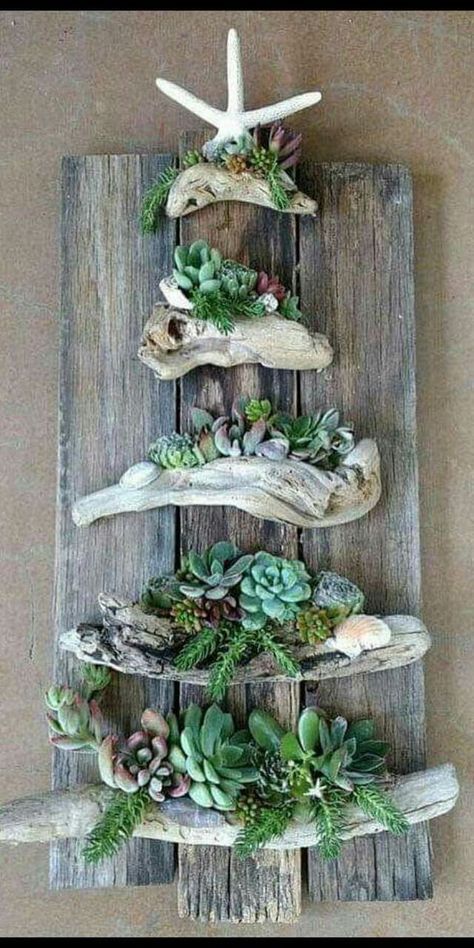
Not all succulents are created equal. Choosing the right plant depends on:

- Lighting conditions: Some succulents like bright sunlight (Aloe, Echeveria), others tolerate low light (Haworthia, Gasteria)
- Growth habits: Compact varieties are ideal for small spaces, while trailing varieties (String of Pearls, Burro’s Tail) look great in hanging pots
- Purpose: Are you keeping it, decorating, or gifting? Small pots are ideal for gifts, while larger arrangements make statement decor pieces
Popular succulents for gifting:
- Echeveria: Colorful rosettes that are visually stunning
- Haworthia: Hardy and easy to care for
- Jade Plant: Symbolizes prosperity and longevity
- Aloe Vera: Functional and decorative
Step 2: Preparing the Perfect Succulent Home
Succulents thrive with proper soil, drainage, and container selection.
Soil:
- Use well-draining succulent or cactus mix
- You can mix garden soil with sand and perlite to improve drainage
Container:
- Pots with drainage holes are crucial to prevent root rot
- Decorative pots can enhance aesthetic appeal, especially if gifting
Lighting:
- Most succulents need 4–6 hours of indirect sunlight
- Avoid placing them in harsh, direct afternoon sun, which can scorch leaves
Tip: A sunny windowsill or balcony is ideal for indoor succulents.
Step 3: Watering Succulents the Right Way
Succulents are drought-tolerant but still need proper care.
Watering tips:
- Water deeply but infrequently—allow soil to dry completely between watering
- Reduce watering during winter dormancy
- Avoid getting water on leaves to prevent rot and fungal issues
Rule of thumb: When in doubt, underwater rather than overwater—succulents thrive on neglect more than overcare.

Step 4: Fertilizing Succulents
While low-maintenance, succulents benefit from occasional fertilization:
- Use a balanced, diluted succulent fertilizer during the growing season
- Fertilize once a month in spring and summer
- Avoid fertilizing in dormant winter months
Proper nutrients enhance growth, color, and resilience.
Step 5: Propagating Succulents
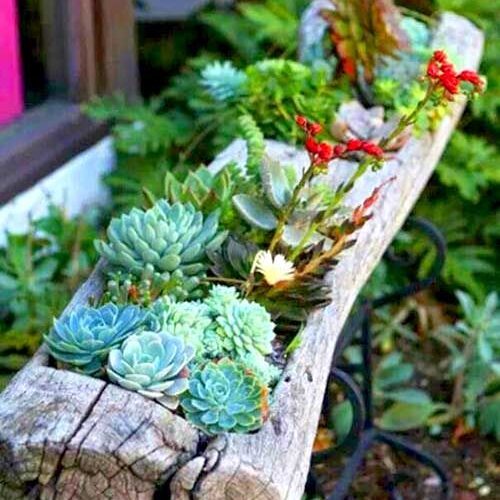
One of the most exciting things about succulents is propagation. Not only can you grow more plants for yourself, but they make perfect gifts for friends and family.
Common propagation methods:
- Leaf cuttings: Remove a healthy leaf, let it callous, then place on soil to root
- Stem cuttings: Cut a small stem, allow callousing, then plant in soil
- Offsets or pups: Many succulents produce small offshoots which can be separated and replanted
Tip: Succulent propagation is fun and a sustainable way to share plants, echoing the sentiment: “I already had it, but someone gave it to me.”
Step 6: Gifting Succulents
Succulents are meaningful and long-lasting gifts. Here’s how to make them extra special:

- Choose the right size: Small potted succulents are ideal for birthdays or casual gifts
- Decorate creatively: Use unique pots, add pebbles, or wrap in jute for a rustic look
- Personal touch: Include a small note or care instructions
- Propagation gifts: Giving a propagated leaf or offset adds sentimental value
A succulent gift shows thoughtfulness and care, making it memorable for the recipient.
Step 7: Common Problems and Solutions
Even hardy succulents can face issues. Here’s how to handle them:
1. Overwatering
- Leaves become mushy and fall off
- Solution: Reduce watering, ensure proper drainage, remove damaged leaves
2. Etiolation (Stretching)
- Occurs when succulents don’t get enough light
- Solution: Move plant to brighter location or supplement with grow lights
3. Pests
- Aphids, mealybugs, and spider mites
- Solution: Neem oil or insecticidal soap
Preventive care: Inspect plants regularly and avoid overcrowding.
Step 8: Designing Succulent Displays
Succulents aren’t just plants—they’re decorative pieces. Ideas for succulent arrangements:
- Terrariums: Glass containers with sand, stones, and small succulents
- Vertical gardens: Wall-mounted planters for indoor spaces
- Succulent wreaths: Beautiful for gifts or seasonal decor
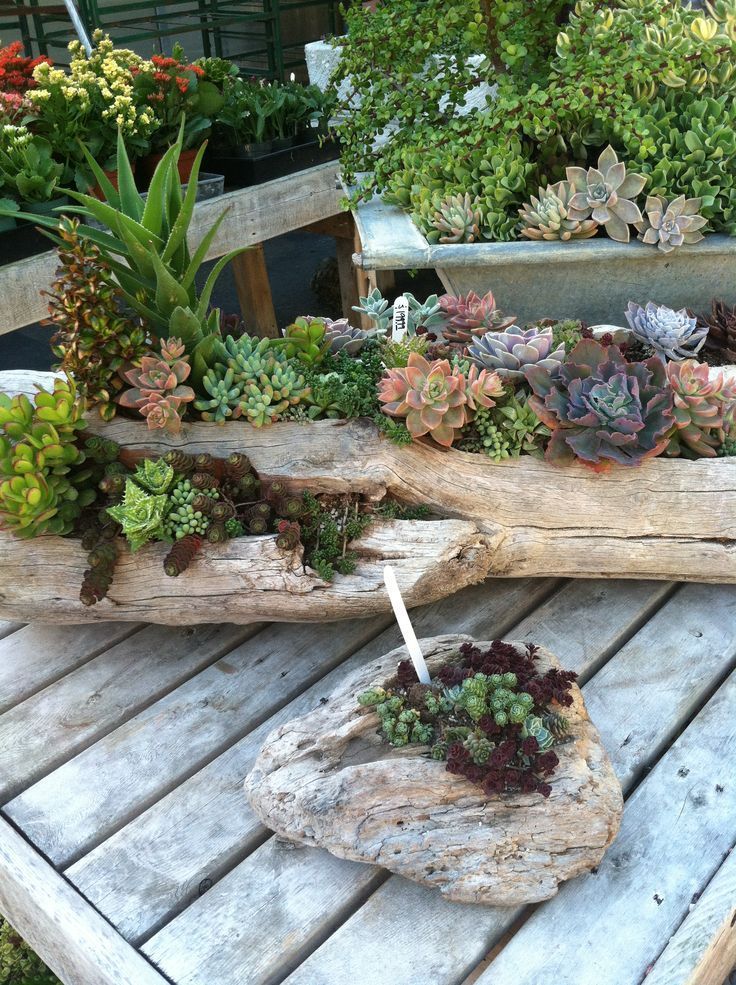
- Mixed arrangements: Combine succulents with cacti and decorative stones
Creative displays make succulents both functional and visually appealing.

Step 9: Succulent Community and Sharing
Succulent gardening has a thriving community online and offline. Sharing plants is a core part of the culture:
- Exchange propagated plants with friends
- Join succulent clubs or social media groups for tips and inspiration
- Learn from other gardeners’ experiences to improve care
The joy of succulents isn’t just in growing them—it’s in sharing them and the stories they carry.
Step 10: Long-Term Succulent Care
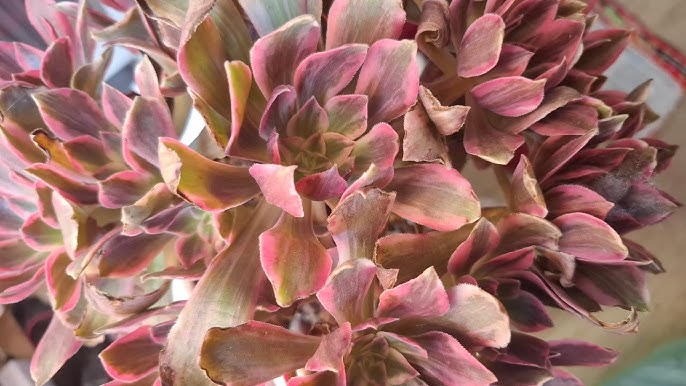
Succulents can live for years with minimal care. Key practices:
- Repot every 1–2 years to refresh soil
- Remove dead leaves and check for pests
- Provide sunlight and occasional fertilizer
- Rotate pots to maintain even growth
Tip: A well-maintained succulent can become a family heirloom plant, gifted and regifted, echoing the viral story: “No, I already had it, but someone gave it to me.”
Benefits of Succulent Gardening
- Low maintenance: Perfect for beginners and busy lifestyles
- Eco-friendly: Minimal water and space requirements
- Therapeutic: Caring for plants reduces stress and promotes mindfulness
- Decorative: Enhances home aesthetics
- Educational: Kids can learn plant growth and propagation
Succulents are more than plants—they are living art, gifts, and joy-givers.

Conclusion: The Joy of Succulent Gardening and Gifting
Succulent gardening is accessible, fun, and rewarding. From growing your first rosette to propagating and gifting friends, succulents connect people and nature. They’re more than just decor—they carry stories and memories, just like in the viral anecdote: “Did you buy it again? No, I already had it, but someone gave it to me.”
Start your succulent journey today—plant, nurture, propagate, and share the magic of these tiny, resilient wonders. You’ll soon understand why succulents aren’t just plants—they’re little treasures that keep giving joy for years.