Phalaenopsis orchids, often called moth orchids, are among the most popular and striking houseplants worldwide. Their elegant, long-lasting flowers and relative ease of care make them a favorite for both beginners and experienced gardeners. However, many enthusiasts struggle with keeping their orchids healthy and blooming continuously.
This comprehensive guide will provide expert tips on growing Phalaenopsis orchids, covering everything from light, water, and soil requirements to fertilization, pruning, and pest management. By following these tips, you can enjoy vibrant, long-lasting blooms in your home year after year.
1. Understanding Phalaenopsis Orchids
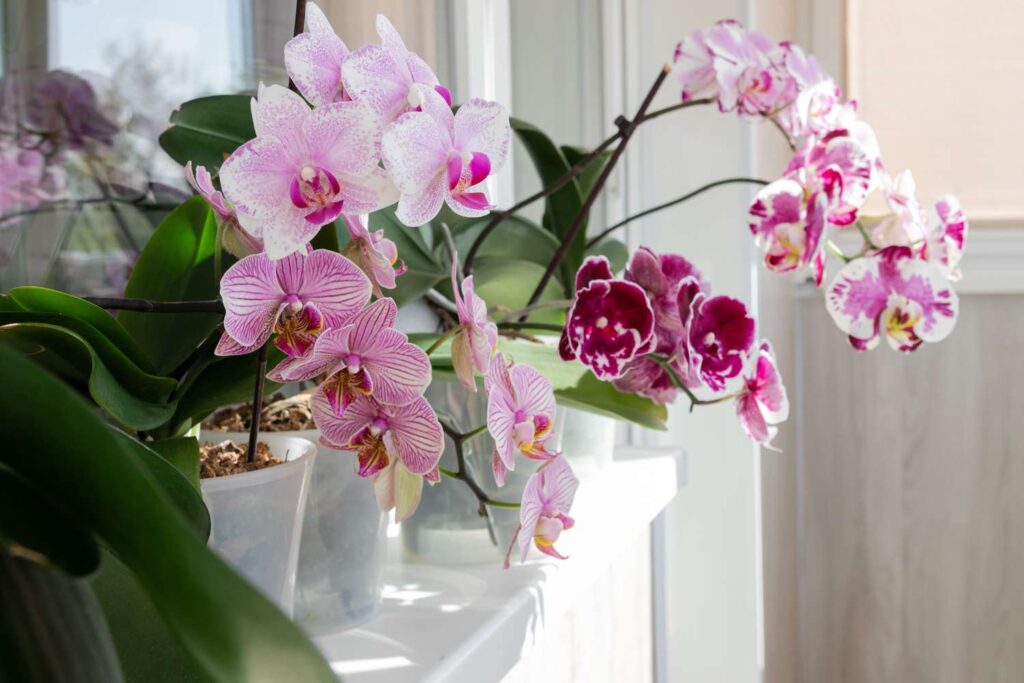
Phalaenopsis orchids are epiphytic plants, which means they naturally grow on trees in tropical environments rather than in soil. They absorb water and nutrients through their roots, which are adapted to cling to bark and capture moisture from the air.
Key Characteristics
- Flowers: Butterfly-like blooms lasting 6–12 weeks
- Leaves: Thick, leathery, and glossy, storing water
- Roots: Silvery-green when dry, turn bright green when hydrated
Knowing the plant’s natural habitat helps mimic conditions at home for optimal growth.
2. Choosing the Right Container and Medium
Unlike typical houseplants, Phalaenopsis orchids thrive in well-draining media rather than soil.

Container Tips
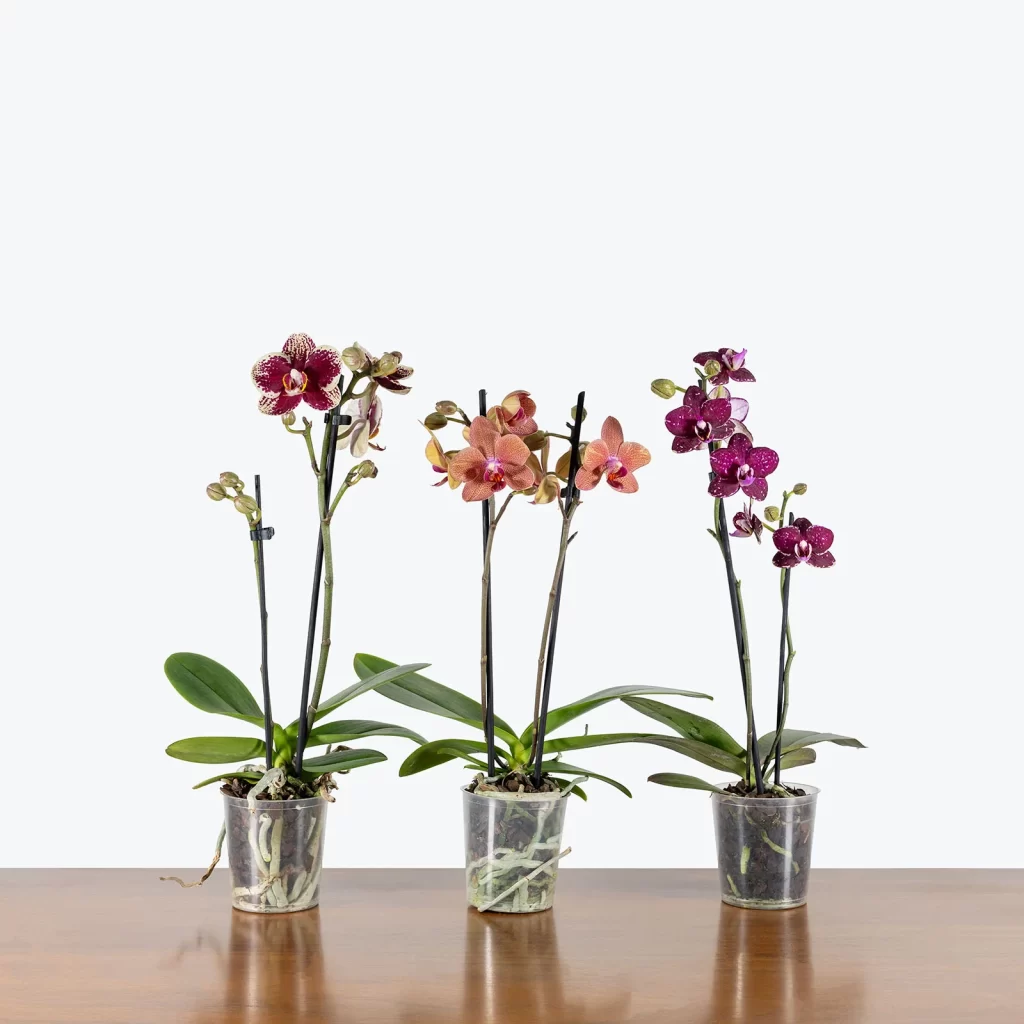
- Use transparent plastic pots with drainage holes; they allow roots to receive light and oxygen
- Avoid deep pots, as orchids prefer shallow root space
Potting Medium
- Bark chips (fir or pine) provide aeration
- Sphagnum moss retains moisture for orchids needing extra humidity
- Perlite or charcoal can be added for drainage
Repot every 1–2 years to refresh the medium and promote healthy root growth.
3. Light Requirements for Phalaenopsis
Light is crucial for blooming. Insufficient light leads to weak growth and fewer flowers.
Optimal Light Conditions
- Bright, indirect light is ideal; avoid direct sunlight
- East or west-facing windows are perfect
- Leaves should be light green; dark green leaves may indicate low light
Artificial Light
- Use fluorescent or LED grow lights if natural light is limited
- Place lights 12–18 inches above plants for 12–14 hours per day
Correct light ensures strong, healthy blooms and encourages repeat flowering.
4. Temperature and Humidity
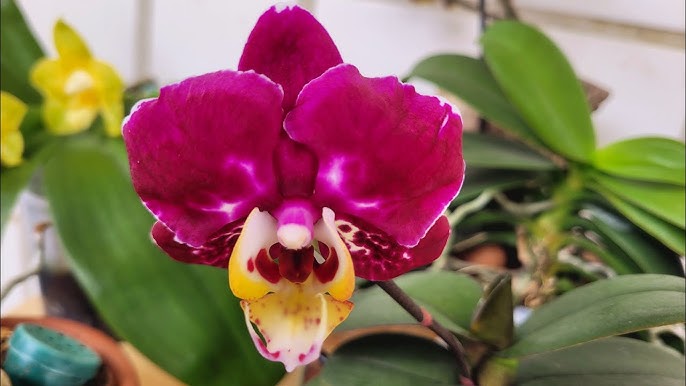
Phalaenopsis orchids are tropical and prefer stable conditions.
Temperature
- Daytime: 70–80°F (21–27°C)
- Nighttime: 60–65°F (16–18°C)
- Avoid sudden temperature changes, which can stress the plant
Humidity
- Maintain 50–70% humidity
- Use humidifiers, pebble trays, or misting to increase humidity indoors
- Good airflow prevents fungal growth
Creating a stable environment mimics the orchid’s natural tropical habitat.

5. Watering Phalaenopsis Orchids
Proper watering is one of the most common challenges for orchid growers. Overwatering leads to root rot, while underwatering causes dehydration.
Watering Tips
- Water when the medium is almost dry, usually every 7–10 days
- Avoid letting water sit in the crown; it can cause crown rot
- Use room-temperature water
- Water in the morning to allow the plant to dry before night
Signs of Proper Watering
- Roots should be bright green and plump after watering
- Leaves remain firm and vibrant
Proper watering encourages healthy roots and prolonged blooms.
6. Fertilizing for Healthy Growth and Blooms
Phalaenopsis orchids require regular feeding, especially during active growth.
Fertilizer Tips
- Use orchid-specific fertilizer or balanced 20-20-20 solution diluted to ¼ strength
- Fertilize every 2–3 weeks during growing season
- Reduce feeding in winter when the plant is dormant
Boosting Flowering
- Apply a high-phosphorus bloom fertilizer once a month
- Encourage bud formation by maintaining proper light and temperature
Regular fertilization promotes vivid blooms and strong leaf growth.
7. Pruning and Care After Flowering

After flowers fade, proper care helps the plant rest and prepare for the next bloom.

Pruning Tips
- Cut the flower spike just above the second node if it’s still green to encourage branching
- Remove old, dried spikes completely
- Trim yellow or damaged leaves to maintain plant health
Pruning prevents disease and redirects energy to root and leaf growth.
8. Repotting Phalaenopsis Orchids
Repotting every 1–2 years keeps orchids healthy and prevents root rot.
Repotting Steps
- Gently remove the orchid from the old pot
- Trim dead or mushy roots with sterilized scissors
- Place in a fresh orchid medium in a slightly larger pot
- Water lightly after repotting
Repotting refreshes nutrients and improves aeration, supporting vigorous growth.
9. Managing Pests and Diseases
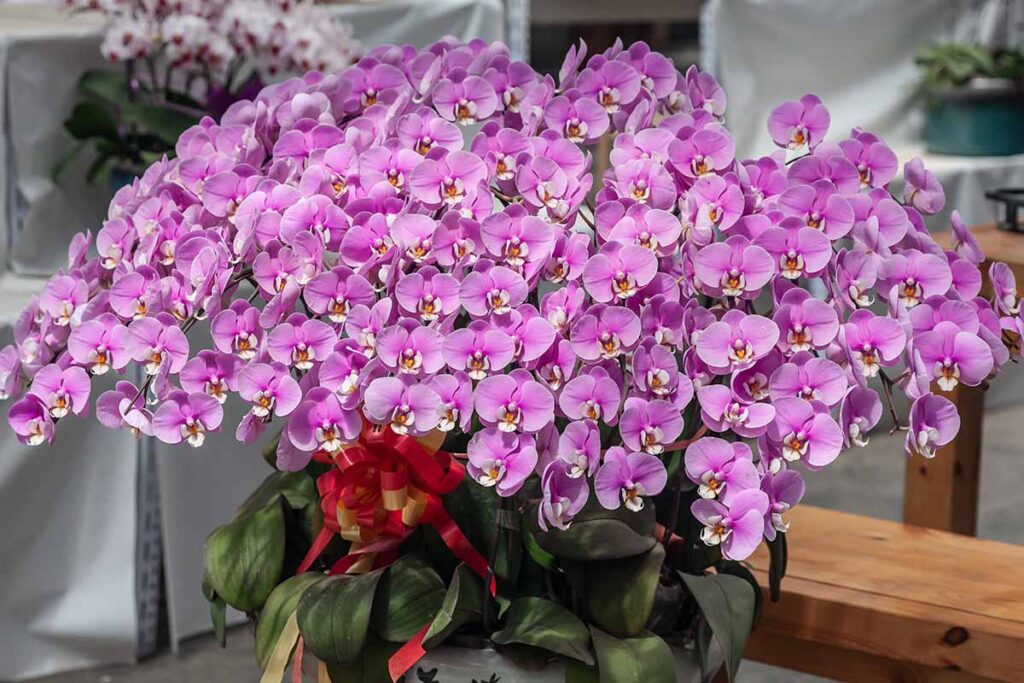
Phalaenopsis orchids are susceptible to common pests if not monitored regularly.
Common Pests
- Aphids
- Mealybugs
- Scale insects
- Spider mites
Prevention
- Inspect plants weekly
- Wipe leaves with a damp cloth
- Use insecticidal soap or neem oil for infestations
Disease Prevention
- Maintain good airflow
- Avoid waterlogging
- Remove infected leaves promptly
Healthy orchids are less prone to pests and produce more vibrant flowers.

10. Tips for Encouraging Re-Blooming
Phalaenopsis orchids can bloom multiple times a year with the right care.
Re-Blooming Techniques
- Ensure adequate light and temperature
- Reduce water slightly after flowering to simulate a dry rest
- Fertilize consistently to support energy storage
- Consider a slight drop in night temperature (10–15°F) to trigger flowering
With patience and care, your orchids can flower again in 6–12 months.
11. Displaying and Caring for Your Phalaenopsis
- Place orchids in decorative pots that provide stability and drainage
- Rotate the plant periodically for even light exposure
- Keep away from drafts or heating vents to prevent leaf damage
Proper placement ensures healthy growth and long-lasting blooms.
12. Fun Facts About Phalaenopsis Orchids
- Nicknamed moth orchids because flowers resemble moths in flight
- Can live for decades with proper care
- Native to Southeast Asia and the Philippines
- Flowers can last up to 3 months, longer than most other orchids
Knowing these facts adds appreciation for these elegant plants in your home.
13. Troubleshooting Common Problems
Yellow Leaves
- Overwatering or nutrient deficiency; adjust care and fertilization
No Flowers
- Insufficient light, improper temperature, or recent repotting
Root Rot
- Overwatering or poor drainage; repot in fresh medium
Addressing issues promptly keeps orchids healthy and blooming beautifully.

14. Benefits of Growing Phalaenopsis Orchids
- Enhance indoor aesthetics with elegant flowers
- Improve air quality and indoor humidity
- Provide a rewarding hobby for beginners and experts
- Long-lasting blooms offer months of enjoyment
Caring for Phalaenopsis orchids combines beauty, relaxation, and gardening satisfaction.
15. Final Thoughts
Growing Phalaenopsis orchids may seem challenging at first, but with the right light, water, fertilizer, and care, even beginners can enjoy long-lasting, vibrant blooms. By mimicking their natural tropical habitat and following these tips, your moth orchids can flower year after year, bringing beauty and elegance to your home.
Whether displayed on a windowsill, balcony, or in a decorative pot, these orchids are a perfect choice for anyone seeking a stunning, low-maintenance flowering plant.