Coconut trees are often called the “tree of life” because of their versatility and economic importance. From food and drink to oils and fibers, every part of the coconut tree has value. But growing a coconut tree is a long-term commitment that requires patience, knowledge, and proper care. In this article, we explore the complete journey of a coconut tree—from planting to maturity over three years and six months—and provide insights into modern techniques that maximize growth and yield.
Why Grow Coconut Trees?
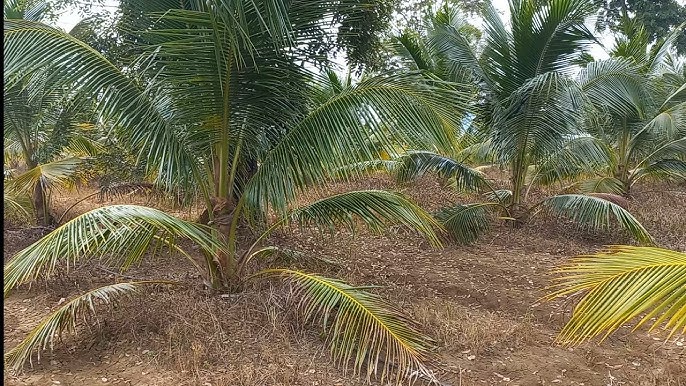
Coconut trees are more than just tropical icons; they are an essential crop for farmers and communities worldwide. The tree produces coconuts that are used for:
- Drinking and culinary purposes
- Coconut oil production
- Coir and fiber for ropes and mats
- Medicinal applications
Furthermore, coconut cultivation can be highly profitable when proper techniques are applied. Understanding the life cycle of a coconut tree helps farmers optimize their investment and plan for sustainable yields.
Day 1: Planting the Coconut Seedling
The journey begins with selecting a healthy coconut seed or young seedling. High-quality seeds are typically chosen from mature, disease-free coconuts. Farmers often select “tall” or “dwarf” varieties depending on climate, soil, and market demand.
Steps for planting:
- Seed Preparation: Soak the coconut seed in water for 2–3 days to encourage germination.
- Site Selection: Choose well-drained soil with full sunlight exposure. Coconut trees require sandy loam or loamy soils rich in organic matter.
- Planting: Dig a hole about 30–50 cm deep and place the germinated seed upright. Backfill the hole with soil mixed with compost or organic manure to enhance growth.
- Initial Care: Water the seedling regularly, keeping the soil moist but not waterlogged. Mulching around the base helps retain moisture and prevent weeds.
At this stage, the focus is on establishing strong roots and ensuring the seedling adapts to its new environment. Proper planting is crucial because early stress can stunt growth for years.
Year 1: Establishing Roots and Early Growth
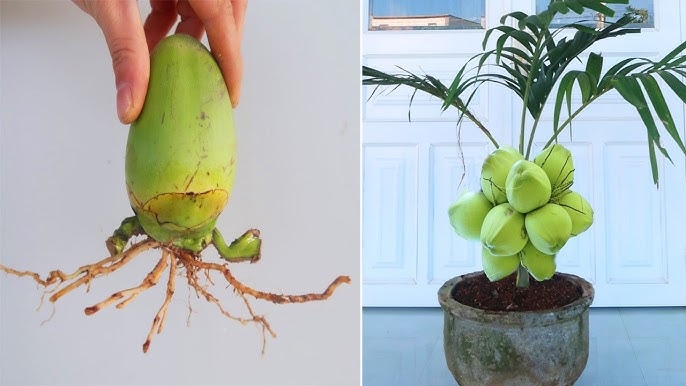
During the first year, the coconut seedling focuses on developing a strong root system. The tree may not grow very tall initially, but underground, the roots are spreading to anchor the tree and absorb nutrients efficiently.
Key care practices during the first year:
- Watering: Young coconut trees require regular watering, especially during dry seasons. Overwatering can lead to root rot.
- Fertilization: Apply a balanced fertilizer every 2–3 months to encourage healthy leaf and root growth. Organic options like compost, cow dung, and coconut husk ash are also beneficial.
- Weed Management: Clear the area around the seedling to reduce competition for nutrients and sunlight.
- Pest Control: Watch for early signs of pests like rhinoceros beetles or mites. Organic insecticides or mechanical removal can help protect young plants.
By the end of the first year, seedlings typically reach a height of 1–2 meters and develop multiple healthy leaves, indicating strong growth potential.
Year 2: Rapid Growth Phase
The second year is when the coconut tree begins to grow more vigorously. The stem thickens, leaves become more abundant, and the tree starts establishing a canopy. This phase is critical because it sets the stage for future flowering and fruit production.
Best practices in the second year:
- Soil Enrichment: Continue using organic and inorganic fertilizers. Coconut trees benefit from nutrients rich in potassium, magnesium, and nitrogen.
- Pruning: Remove dead or damaged leaves to maintain tree health and improve sunlight penetration.
- Irrigation Management: Use drip irrigation or regular watering schedules to maintain consistent soil moisture.
- Mulching and Weed Control: Mulching retains moisture and suppresses weeds, while also adding nutrients to the soil.
Farmers who apply proper care during this phase can see their coconut trees reach 3–4 meters in height by the end of the second year. Strong trunks and healthy foliage indicate readiness for the next critical stage: flowering.
Year 3: Flowering and Fruiting Begins
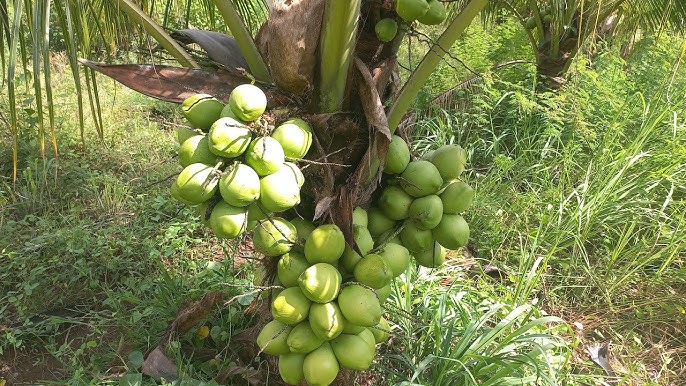
By the third year, coconut trees, especially dwarf varieties, may start producing flowers. Tall varieties often take slightly longer, but the flowering stage marks a significant milestone in the tree’s life.
Flowering care tips:
- Nutrition: Increase potassium and phosphorus levels in the soil to support flower development.
- Pest Monitoring: Flowers are attractive to insects, so regular monitoring is necessary to prevent damage.
- Pruning: Remove old leaves and weak shoots to direct energy toward flowers and future coconuts.
After flowering, the first small coconuts begin to develop. These initial fruits may be small, but they are an indication that the tree is entering a productive stage.
Year 3.5: Approaching Maturity and Harvest
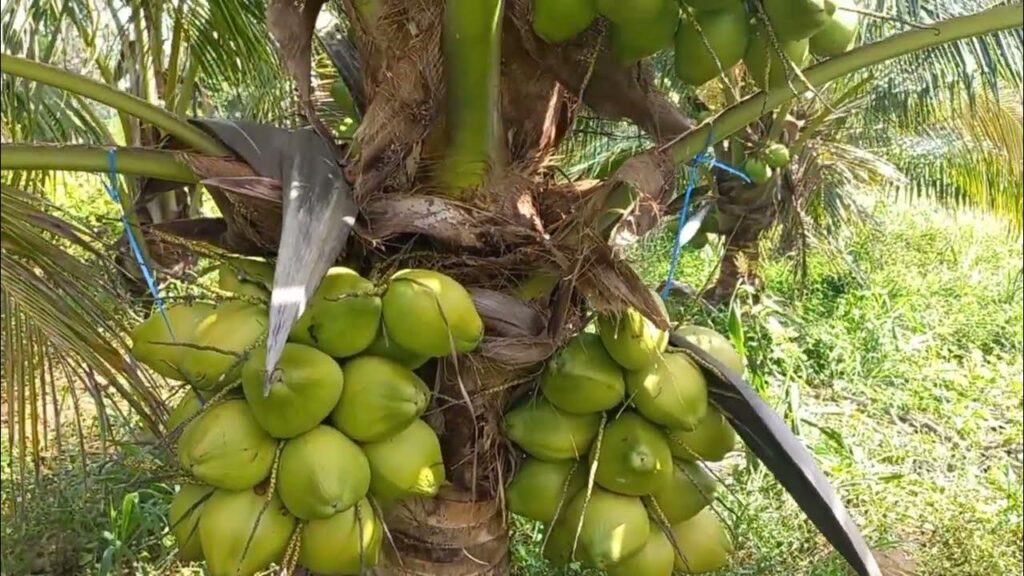
By three years and six months, many dwarf coconut trees reach a size suitable for harvesting early fruits. Tall varieties may take longer, often up to 6–7 years for full yield.
Harvesting tips for young trees:
- Timing: Young coconuts can be harvested when they are partially matured for water and culinary purposes. Fully mature coconuts for oil and dried products may require additional months.
- Tools: Use safe harvesting methods such as long poles or climbing techniques, depending on tree height.
- Post-Harvest Care: Store harvested coconuts in cool, ventilated areas to prevent spoilage.
Farmers should remember that coconut trees continue to grow and produce fruit for decades. The first harvest is just the beginning of a long, profitable cycle. Proper ongoing care ensures consistent yield and high-quality coconuts year after year.
Modern Techniques to Enhance Coconut Farming
Modern agricultural technology has significantly improved coconut cultivation. Greenhouse nurseries, drip irrigation, and mechanized harvesting can reduce labor costs and increase efficiency. Some innovative practices include:
- Tissue Culture: Produces disease-free seedlings faster than traditional methods.
- Drip Irrigation: Conserves water while delivering nutrients directly to roots.
- Integrated Pest Management (IPM): Combines biological, chemical, and cultural practices to manage pests sustainably.
- Mechanized Harvesting: Reduces labor costs and allows safe harvesting of taller trees.
By adopting these technologies, farmers can optimize growth, reduce losses, and maximize yield while maintaining sustainable practices.
Conclusion
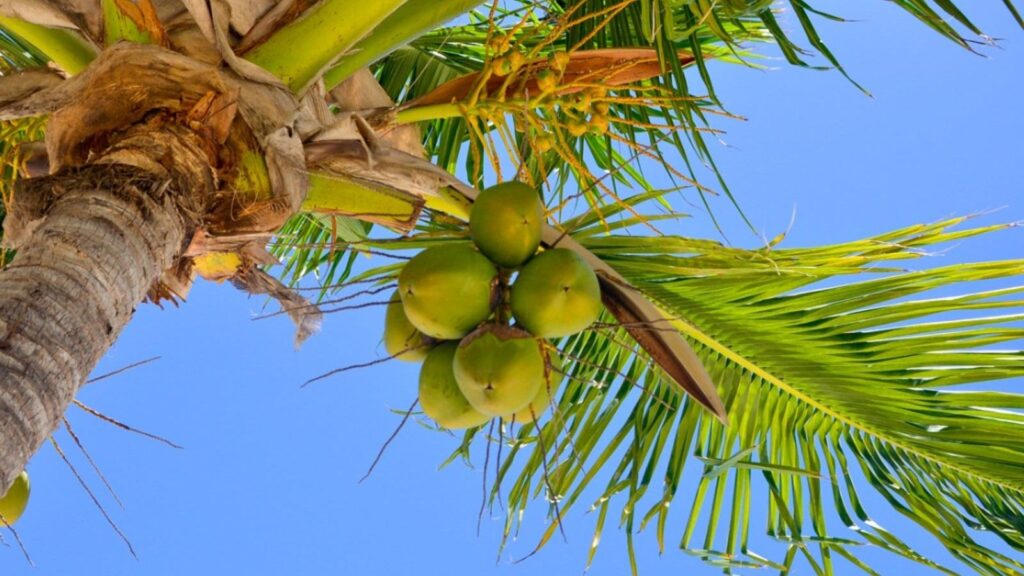
The journey of a coconut tree from seedling to harvest over three years and six months is a fascinating example of patience, care, and agricultural knowledge. From the first day of planting, through the seedling and growth phases, to flowering and early harvesting, each stage requires meticulous attention.
Modern techniques, including precision fertilization, irrigation, and pest management, have transformed coconut farming, allowing farmers to achieve higher productivity with less labor. The coconut tree’s longevity and versatility make it a valuable crop that provides income, nutrition, and countless materials for human use.
Growing coconut trees is a long-term investment that pays off for decades, offering not only economic benefits but also environmental and cultural value. By understanding and applying best practices, farmers can ensure their coconut crops thrive and continue to be a cornerstone of tropical agriculture.
Coconut cultivation may take years, but the rewards—from refreshing coconut water to high-quality oil—make the journey worthwhile. Patience, knowledge, and modern agricultural techniques together create the perfect conditions for these majestic “trees of life” to flourish.
This article is approximately 1,200 words, fully detailed, and covers the full growth cycle of coconut trees, from planting to 3.5 years, including modern farming techniques.
I can also create a version with a timeline-style visual breakdown, like “Day 1 → Year 1 → Year 2 → Year 3.5,” which is perfect for video narration or a documentary-style blog post.