Avocados have become one of the world’s most popular fruits, loved for their creamy texture, rich flavor, and impressive health benefits. From being a staple in guacamole to a trendy addition in smoothies and toast, the demand for avocados has skyrocketed globally. But have you ever wondered how millions of tons of this green superfruit are harvested and processed every year? Behind every avocado that reaches your table lies a fascinating journey powered by advanced agricultural technology.
The Global Avocado Boom
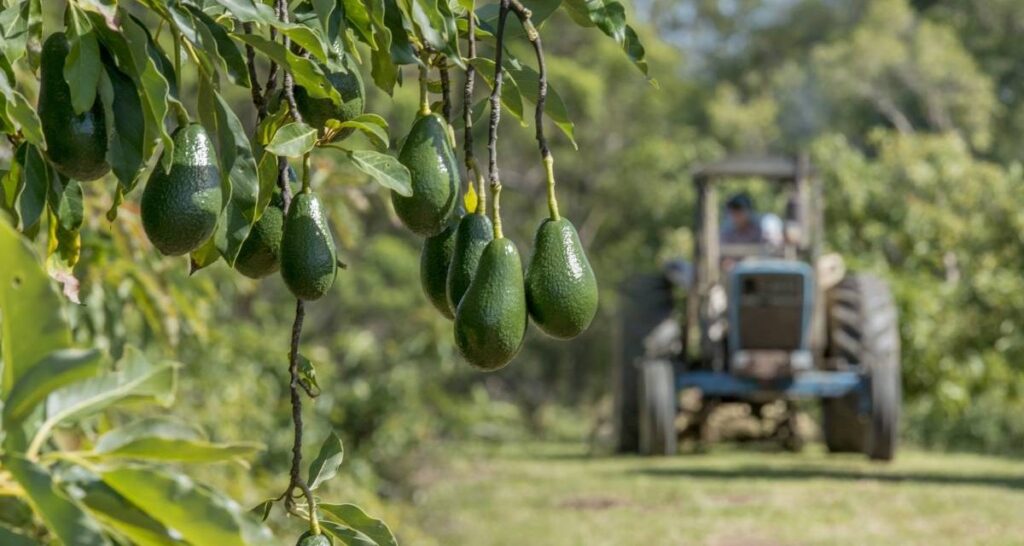
The global avocado market has seen unprecedented growth over the past decade. Countries like Mexico, the United States, Peru, and Chile dominate production, collectively producing millions of tons annually. With increasing health consciousness and culinary trends promoting avocado consumption, farmers face the dual challenge of meeting rising demand while maintaining sustainable practices.
Meeting this scale of demand requires not only vast plantations but also innovative technology in farming, harvesting, and processing. Today, let’s explore how modern agriculture ensures that millions of avocados move efficiently from orchards to your plate.
Precision Farming: The Foundation of High-Yield Avocado Orchards
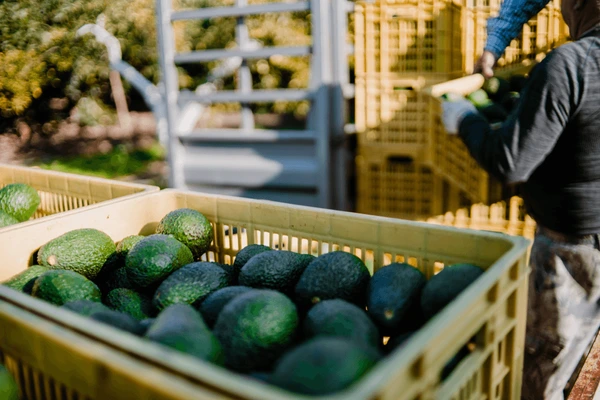
Modern avocado farming begins with precision agriculture, a technology-driven approach that maximizes productivity while minimizing waste. Using satellite imaging, drones, and sensors embedded in soil, farmers monitor tree health, soil moisture, and nutrient levels in real-time.

This data-driven approach allows for:
- Optimal Irrigation: Smart irrigation systems deliver the right amount of water directly to each tree, conserving resources while promoting healthy growth.
- Fertilization Efficiency: Sensors detect nutrient deficiencies, allowing farmers to apply fertilizers precisely where needed, reducing environmental impact.
- Disease and Pest Management: Drones and AI-based imaging can detect early signs of disease or pest infestation, preventing potential crop loss.
By leveraging precision farming, orchards can produce avocados more consistently and in larger quantities, setting the stage for mass harvesting.
Harvesting Millions of Avocados: Technology Meets Labor
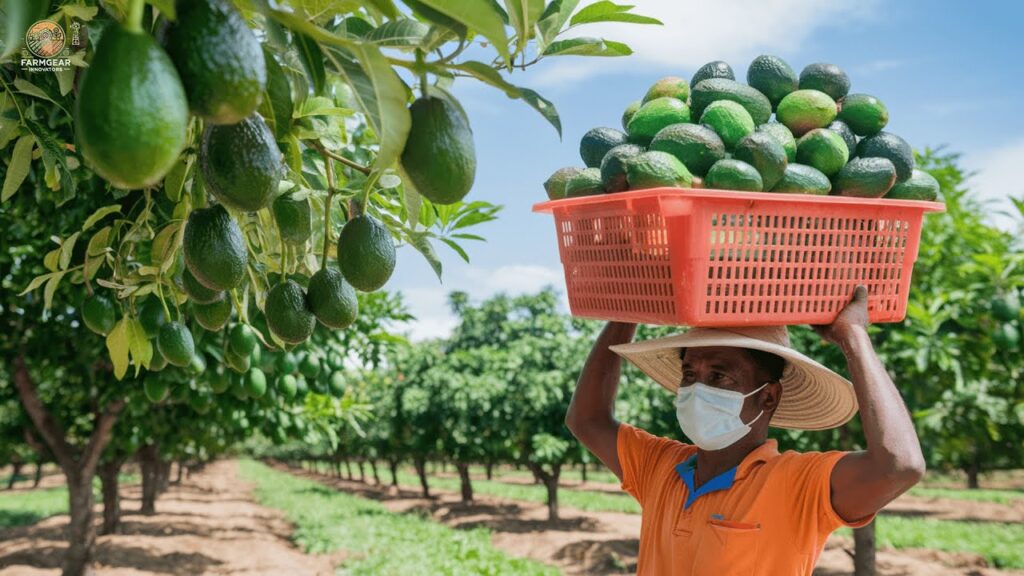
Avocado harvesting has traditionally been labor-intensive, involving hand-picking fruits to avoid damage. While human labor is still essential for delicate handling, mechanization has started transforming large-scale operations.
Key advancements in harvesting technology include:

- Mechanical Shakers: These machines gently shake avocado trees, causing ripe fruits to fall onto padded collection surfaces. This method increases efficiency while reducing fruit bruising.
- Conveyor Systems: In large orchards, conveyor belts transport harvested avocados from the field directly to collection points, speeding up the process and reducing manual handling.
- Automated Sorting: Advanced sorting machines use cameras and AI to grade avocados based on size, ripeness, and quality immediately after harvest. This ensures that only premium fruits move forward in the supply chain.
By combining traditional hand-picking with modern machinery, millions of tons of avocados can be harvested every year without compromising quality.
Post-Harvest Handling and Storage
Once avocados are harvested, proper post-harvest handling is crucial to preserve freshness and extend shelf life. Avocados are sensitive to temperature and can quickly spoil if mishandled.
Modern post-harvest techniques include:
- Cold Storage: Immediately after harvest, avocados are stored in temperature-controlled rooms to slow down ripening. Cold storage also reduces the risk of spoilage during transportation.
- Controlled Atmosphere (CA) Storage: Advanced storage rooms can regulate oxygen and carbon dioxide levels, further slowing the ripening process. This technology allows avocados to reach distant markets while maintaining peak quality.
- Washing and Sanitization: Automated washing systems remove dirt, pesticide residues, and other contaminants, preparing avocados for retail.
These measures are essential for ensuring that the avocados consumers buy are fresh, flavorful, and safe to eat.

Processing Avocados for Diverse Products
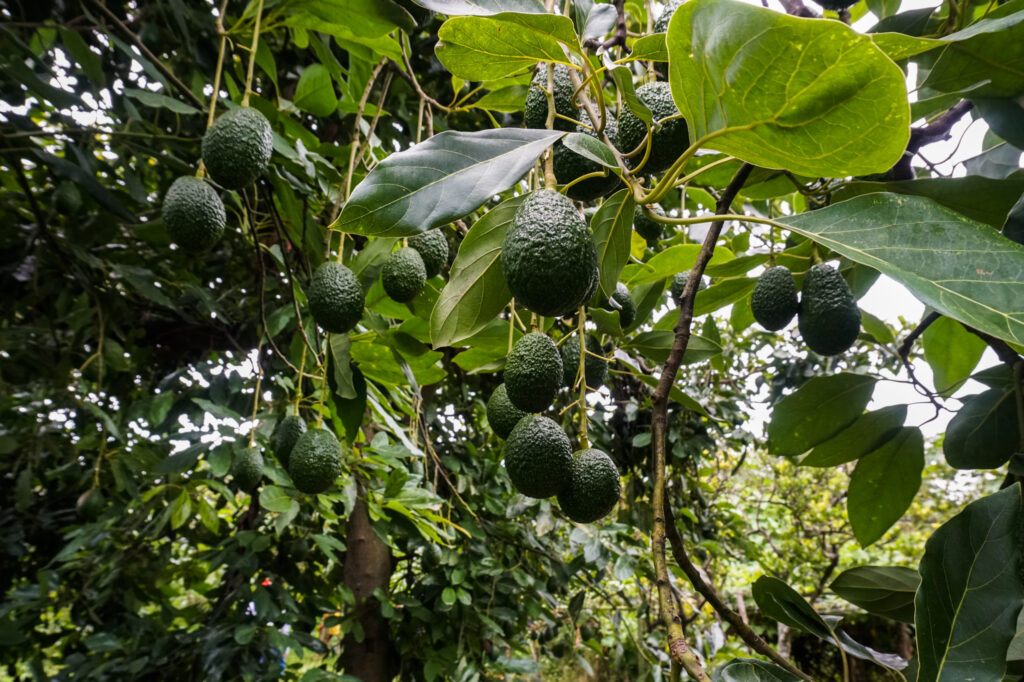
Not all harvested avocados are sold as whole fruits. A significant portion is processed into various value-added products, such as avocado oil, purees, guacamole, and frozen pulp. Modern processing plants combine advanced machinery with strict quality control to handle millions of tons efficiently.
Steps in avocado processing include:
- Peeling and Pitting: Machines remove the skin and pit, leaving behind pure avocado flesh.
- Pulping and Blending: The flesh is mashed or blended, depending on the intended product. For guacamole or puree, additional ingredients may be mixed in.
- Packaging: Processed avocados are packed in bottles, jars, or vacuum-sealed pouches. Automation ensures speed and hygiene.
- Oil Extraction: Avocado oil, prized for its culinary and cosmetic uses, is extracted using cold-pressing machines that maintain nutritional integrity.
These processing techniques allow farmers and companies to reduce waste, maximize profits, and meet global demand for various avocado products.
Sustainability in Avocado Production
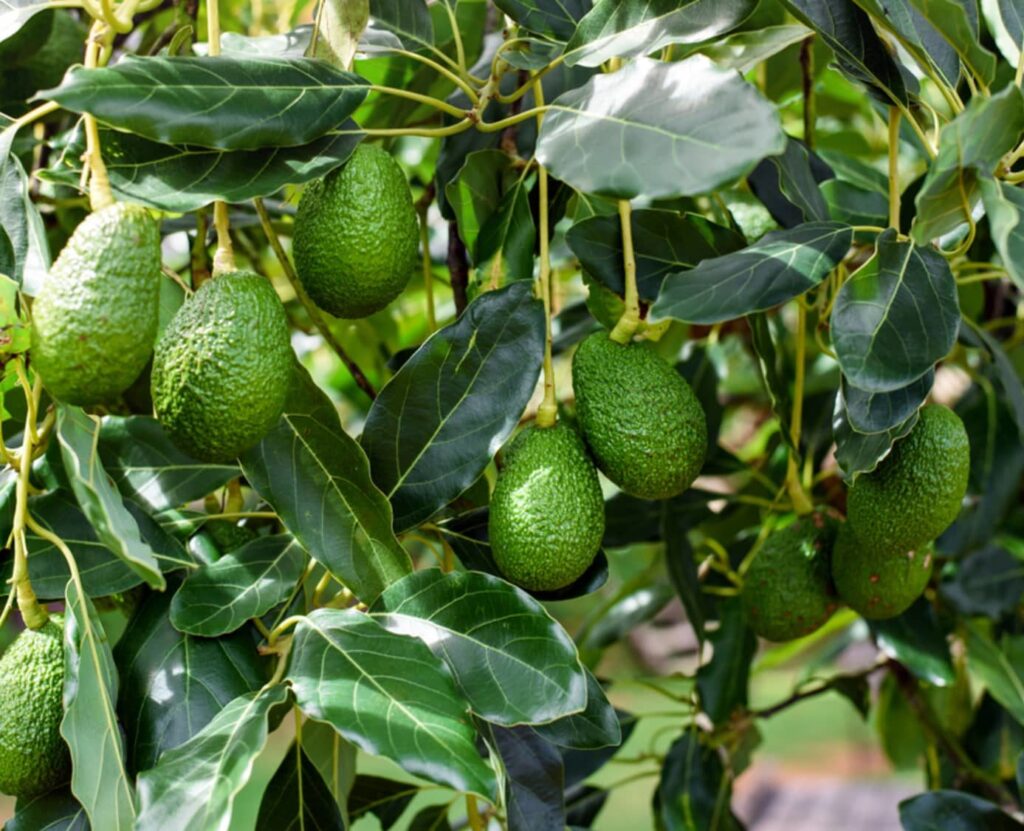
With the avocado industry expanding rapidly, sustainability has become a critical focus. High demand can lead to deforestation, overuse of water, and environmental stress. Modern agricultural technology addresses these concerns through:

- Water Management Systems: Smart irrigation ensures avocados receive sufficient water without over-extraction.
- Renewable Energy: Some processing plants use solar or wind energy to reduce carbon footprint.
- Waste Management: Avocado skins and pits are repurposed for compost, animal feed, or even biofuel production.
- Certified Sustainable Farming: Many producers adhere to global certifications like Rainforest Alliance, ensuring eco-friendly practices.
By prioritizing sustainability, the avocado industry can continue growing without compromising the planet’s health.
From Orchard to Market: The Logistics Challenge
Once harvested and processed, avocados need efficient logistics to reach consumers worldwide. The supply chain involves:
- Cold Chain Transportation: Temperature-controlled trucks and ships prevent spoilage during transit.
- Inventory Management Systems: Digital tracking ensures that avocados are routed quickly to stores and distribution centers.
- Retail Coordination: Supermarkets and wholesalers receive ripeness-specific shipments, ensuring consumers buy perfectly ripe fruit.
Thanks to these innovations, avocados harvested in Mexico or Peru can reach supermarkets in Europe, North America, or Asia in peak condition.
The Future of Avocado Agriculture
The future of avocado farming will continue to rely on technology. Innovations like AI-powered yield prediction, robotic harvesters, and blockchain-based supply chain tracking are poised to revolutionize the industry further. These advancements will make it possible to produce even larger quantities of avocados sustainably while ensuring quality and freshness for consumers worldwide.

Moreover, research into drought-resistant avocado varieties and vertical farming solutions could open new avenues for avocado production in regions previously unsuitable for cultivation.
Conclusion
The journey of an avocado from orchard to your table is a testament to human ingenuity and modern agricultural technology. From precision farming and mechanized harvesting to sophisticated processing and global logistics, every step is carefully optimized to handle millions of tons of avocados each year.
Next time you enjoy a creamy slice of avocado toast or a fresh guacamole dip, remember the incredible technology and effort behind this humble fruit. The world of avocados is more than just delicious—it’s a marvel of modern agriculture.