Growing a mango tree at home feels like a tropical dream—sweet fruits, lush green leaves, and the pride of nurturing a plant from scratch. Many gardeners believe mango trees are “difficult” to propagate or require special tools. But the truth is surprisingly refreshing: mango trees are much easier to propagate than you might think! With the right techniques, a bit of patience, and proper care, anyone—even a beginner—can grow a healthy mango plant at home.
In this detailed guide, you’ll discover the simplest and most effective methods to propagate mango trees, secrets to faster rooting, and tips to ensure your new plant becomes strong and fruit-bearing. Whether you’re growing mango plants for hobby gardening, your backyard orchard, or balcony gardening, this guide will set you up for success.
Why Propagating Mango Trees Is Easier Than You Expect
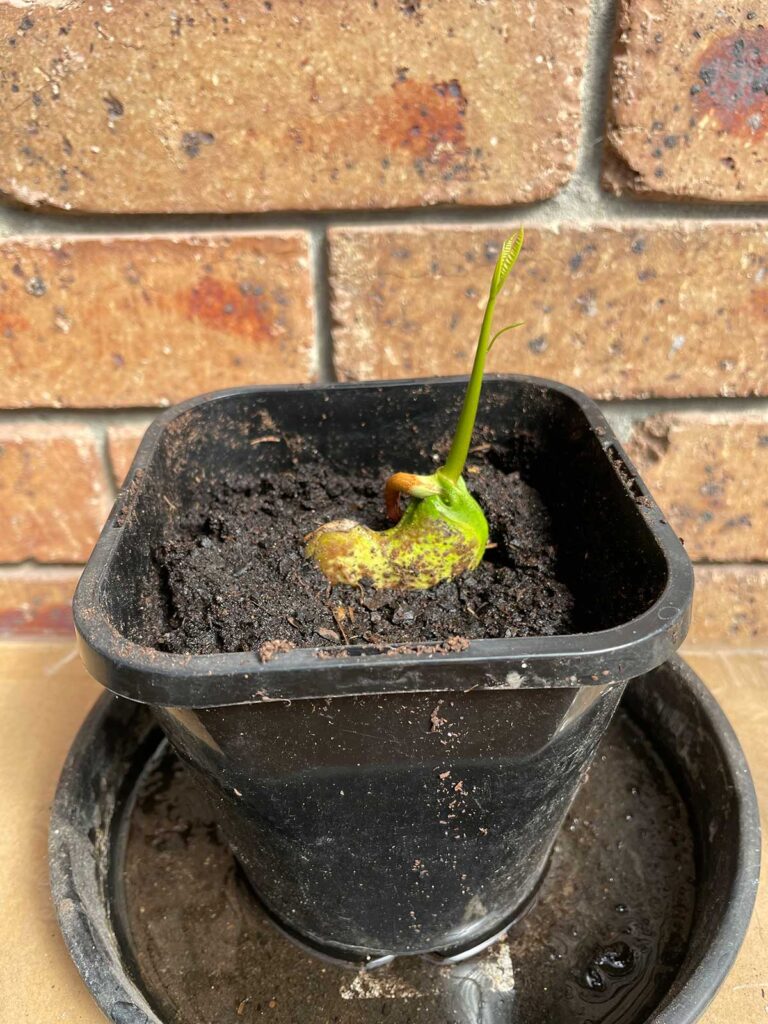
Mango trees are naturally hardy and adaptable. They grow well in tropical and subtropical regions and can tolerate various soil types. Unlike some sensitive fruit plants, mangoes respond amazingly well to propagation techniques such as:
- Seed propagation
- Air layering
- Softwood cutting propagation
- Grafting
Each method has its purpose, but even the simplest ones—seed and layering—can give excellent results if done correctly.
The best part? You don’t need expensive equipment or professional greenhouse conditions. Just household items, proper timing, and simple care.
Method 1: Growing Mango Trees from Seeds — Simple & Beginner-Friendly
Growing mango trees from seeds is the most traditional and easiest method, especially for beginners. While seed-grown mango trees may take longer to fruit, they are perfect for home gardening and create strong, hardy plants.
Step 1: Choose a Healthy Mango Seed
Pick a ripe mango from any local variety. Fiberless varieties like Alphonso, Kesar, or Banganapalli are excellent choices.
After enjoying the fruit:
- Clean the seed pod thoroughly
- Let it dry for 1–2 hours
- Carefully open the husk using a knife
- Take out the inner seed (bean-like structure)
Step 2: Pre-Germinate the Seed
For quicker sprouting:
- Wrap the seed in a moist tissue or cloth
- Place it inside an airtight container
- Keep it in a warm location for 7–10 days
Within a week, the seed will start forming roots and shoots.
Step 3: Planting the Germinated Seed
Once the seed has a small taproot:
- Fill an 8-inch pot with well-draining soil
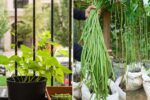
- Place the seed horizontally
- Cover lightly with 1 inch of soil
- Water thoroughly
Step 4: Care and Growth Tips
- Keep in bright, indirect sunlight during the first few weeks
- Maintain moisture but do not overwater
- Once the plant is 1 ft tall, shift it to a larger pot or ground
Seed-grown plants grow vigorously and develop strong root systems.
Method 2: Air Layering — The Easiest Technique for FAST Mango Propagation
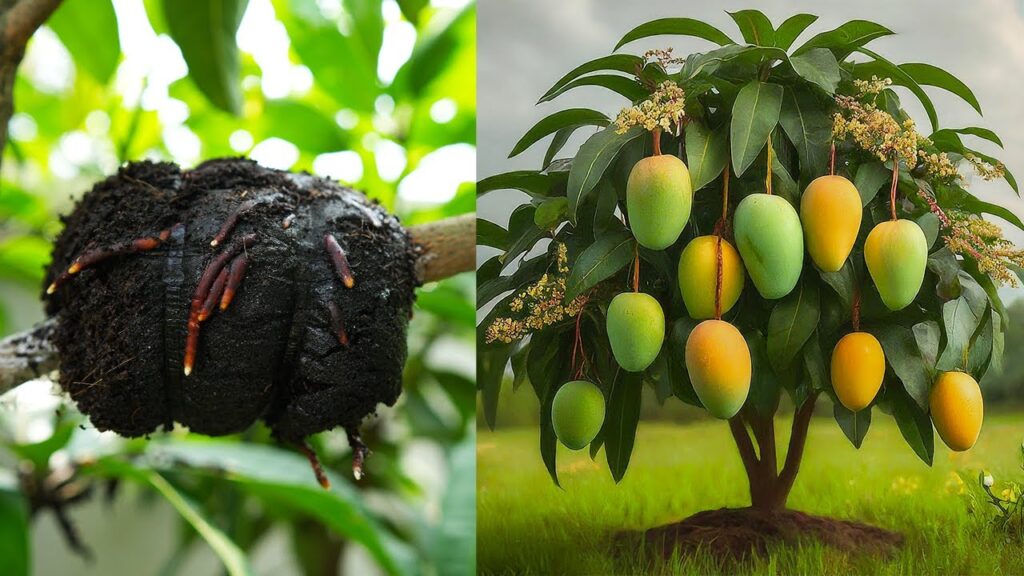
If you want faster fruiting and guaranteed variety, air layering is the BEST method. It produces a clone of the parent plant, ensuring the same fruit quality.
Why Air Layering Works So Well
- Higher success rate
- Roots form while the branch is still attached
- Plant fruits earlier than seed-grown trees
- Perfect for home gardeners
How to Air Layer a Mango Tree (Step-by-Step)
Step 1: Select a Healthy Branch
Choose a pencil-thick branch that is:

- Mature
- Healthy
- Disease-free
Preferably select a branch that gets enough sunlight.
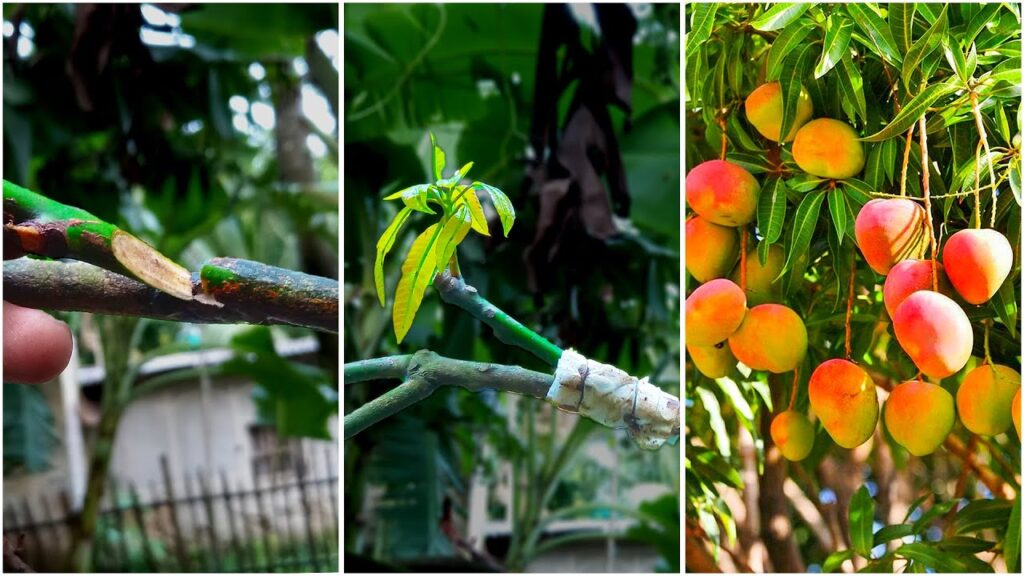
Step 2: Prepare the Branch
- Remove a 1-inch ring of bark
- Scrape away the green cambium layer
- Apply rooting hormone (optional but improves success)
Step 3: Pack with Moist Cocopeat or Sphagnum Moss
- Wet the moss
- Wrap it around the exposed area
- Cover tightly with plastic
- Tie both ends with thread or tape
Step 4: Wait for Rooting
Roots normally appear within 4–6 weeks depending on climate.
Step 5: Transplanting the Layered Branch
Once the roots are visible:
- Cut below the root ball
- Plant in a pot
- Keep in partial shade for 2 weeks
This creates a strong new mango plant that can flower and fruit early.
Method 3: Propagating Mango Trees from Cuttings (Moderately Easy)
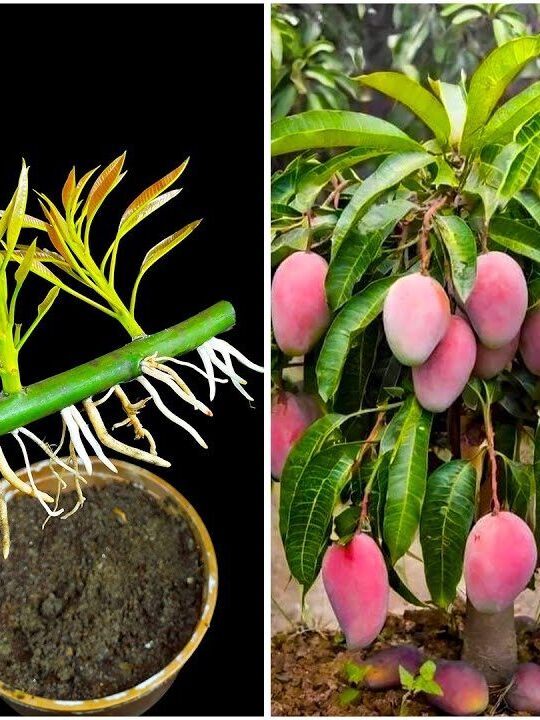
Mango cuttings are slightly trickier than air-layering, but with the right conditions, they root successfully.
What You Need
- Softwood or semi-hardwood cuttings
- Rooting hormone
- Well-draining potting mix
- Bottom heat or warm climate
Propagation Steps
- Take a 6–8 inch branch cutting
- Remove bottom leaves and dip in rooting hormone
- Plant in a moist cocopeat + sand mixture
- Cover the pot with a plastic bag to create humidity
- Keep in bright shade
Roots form in 3–5 weeks, especially during hot months.
Best Time to Propagate Mango Trees
Timing is the secret behind success!
The best months for any propagation method:
- February to June (hot season)
- September to October (post-monsoon)
Avoid cold months, as mango cuttings and seeds grow slower during low temperatures.
Soil Mix for Fast Mango Rooting
Use a light and airy soil mix:
- 40% Garden soil
- 30% River sand
- 30% Cocopeat or compost
This ensures:
- Excellent drainage
- Airflow for roots
- Faster growth
Adding 1 tablespoon of neem powder helps prevent fungal attacks.
Watering Mango Plants Correctly
Mango plants hate excess water!
Follow this rule:
Water only when the top soil becomes slightly dry
For young plants:
- Keep soil lightly moist
- Avoid waterlogging
For grown plants:
- Deep watering once a week is enough
Sunlight Requirements
Mango trees LOVE sunlight.
- Young plants: 4–5 hours of gentle morning sunlight
- Mature plants: 6–8 hours full sunlight
Without proper sunlight, growth slows and leaves turn pale.
Boost Growth with Natural Fertilizers
Fertilize every 30–40 days using:
- Vermicompost
- Cow dung compost
- Banana peel fertilizer
- Neem cake
- Seaweed extract (for stronger roots)
During fruiting season, add potash-rich fertilizers for better fruit development.
Pot vs Ground — Which Is Better?
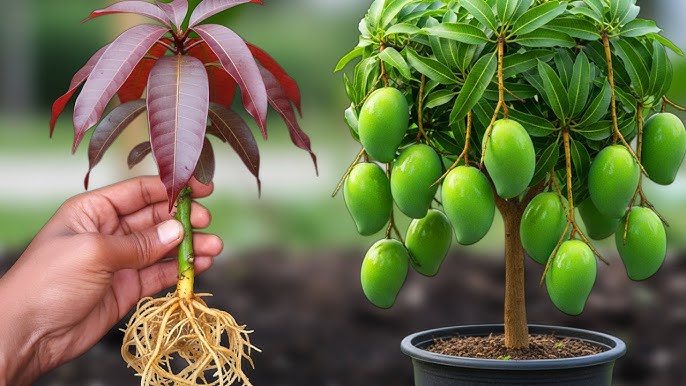
Mango trees adapt well to both!

In Pots
- Choose a 20–24 inch pot
- Ensure 4–5 drainage holes
- Best for balconies and terraces
In Ground
- Dig a 2×2 feet pit
- Fill with compost and loosened soil
- Ideal for faster growth and heavy fruiting
Common Mistakes to Avoid
Many beginners face failure because of a few basic errors.
Avoid these:
Overwatering
Using poor soil
Keeping plants in low light
Propagating during cold season
Removing plastic wrap early during air layering
Correcting these increases your success rate drastically.
Final Thoughts: Anyone Can Grow Mango Trees Easily!
Propagating mango trees is not only simple but incredibly rewarding. Whether you’re using seeds, cuttings, or air layering, each method can give excellent results with just a bit of care. Mango trees are tough, sun-loving, and fast-growing plants that thrive with minimal attention.
With the techniques shared in this guide, you can grow your own mango plants at home—faster and easier than ever!