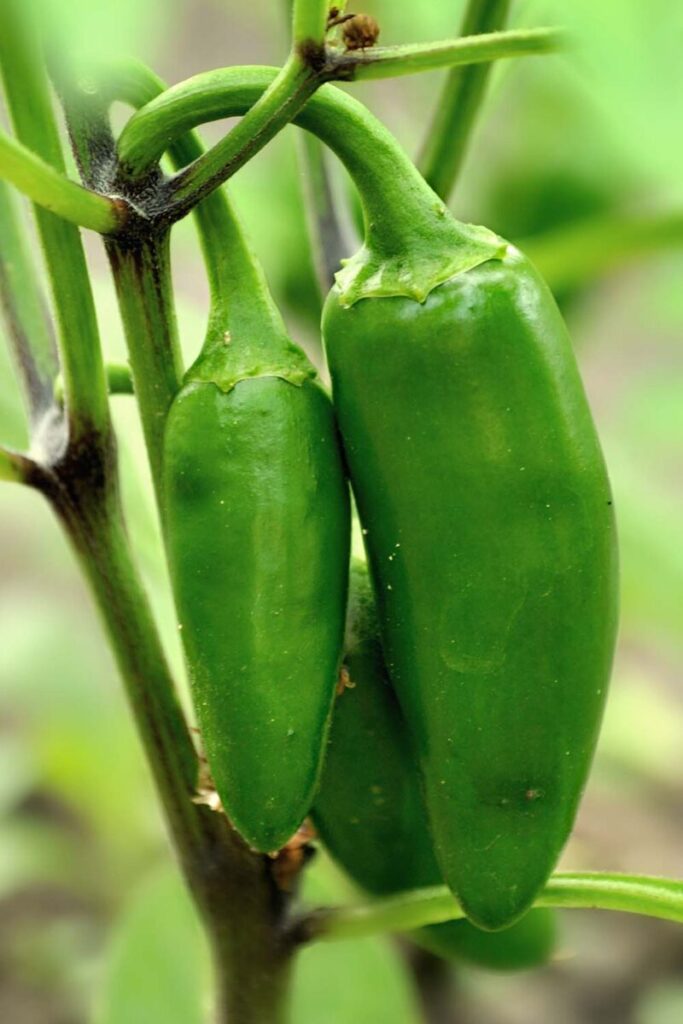
If you love a bit of spice in your meals, there’s nothing quite like homegrown jalapeños. Fresh, fiery, and full of flavor, these peppers are perfect for salsas, pickling, sauces, or adding a kick to your favorite dishes. The best part? Growing jalapeños at home is easier than you might think, even if you’re limited to a small garden, balcony, or container.
This guide will take you from seed to harvest, sharing tips, tricks, and expert advice for growing healthy, high-yield jalapeño plants.
1. Why Grow Jalapeños at Home?
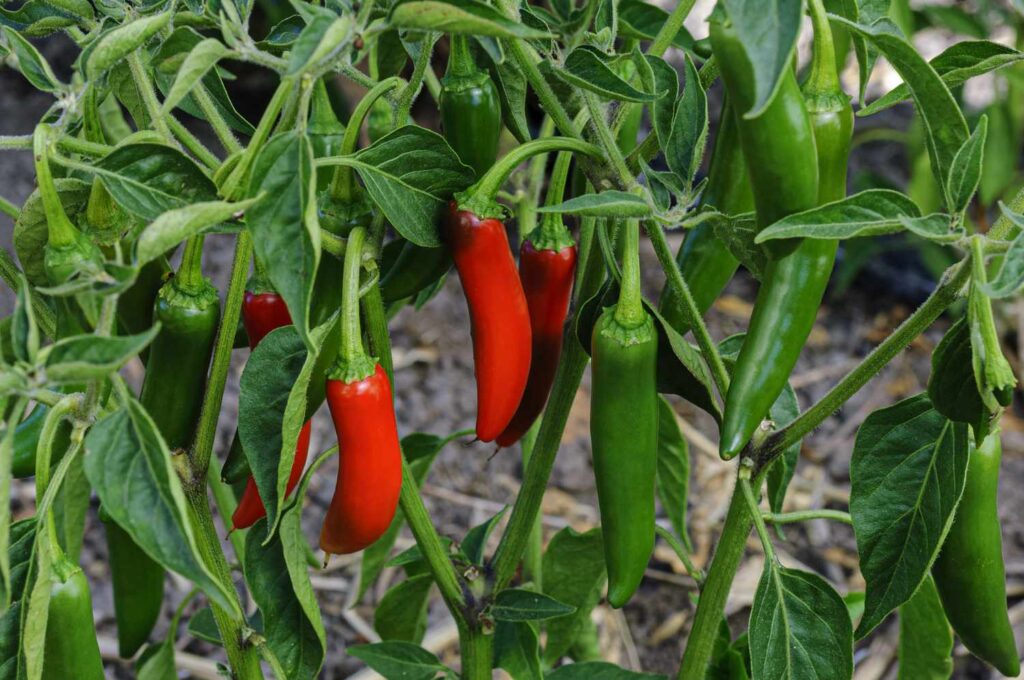
Growing jalapeños at home comes with several benefits:
Health and Nutrition
- Rich in vitamin C, vitamin A, and antioxidants
- Contain capsaicin, which can boost metabolism and support heart health
- Low-calorie, flavorful addition to meals
Convenience and Flavor
- Fresh, chemical-free peppers at your fingertips
- Pick when ripe or slightly green for desired heat
- More flavorful than store-bought peppers
Cost-Effective
- Save money compared to buying fresh jalapeños from the market
- Continuous harvest throughout the season
2. Selecting the Right Jalapeño Variety
Choosing the right variety can influence yield, flavor, and heat.
Popular Varieties
- Early Jalapeño: Quick-growing, mild heat
- TAM Jalapeño: High yield, consistent fruit size
- Mucho Nacho: Large, thick-walled peppers ideal for cooking and stuffing
Tips
- Choose varieties suited for your climate
- Consider container-friendly or compact varieties if growing indoors
3. Starting Jalapeño Seeds
Growing from seed allows control over plant quality and variety.
Seed Starting Tips
- Use seed trays or small pots filled with seed-starting mix
- Sow seeds ¼ inch deep and lightly cover with soil
- Keep soil moist but not waterlogged
- Maintain warm temperatures (70–80°F / 21–27°C) for germination
- Seeds typically sprout in 10–14 days
Lighting
- Provide 12–16 hours of bright light daily, either from the sun or grow lights
- Rotate seedlings for even growth
4. Transplanting Seedlings
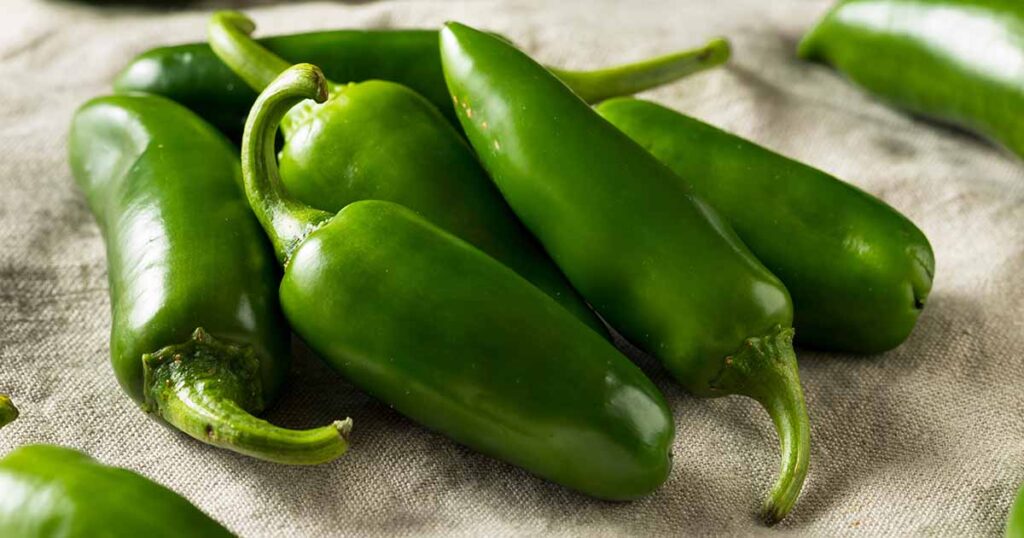
Once seedlings develop 2–3 sets of true leaves, they’re ready for transplanting.
Transplanting Steps
- Harden off seedlings by gradually exposing them to outdoor conditions
- Choose a sunny location with at least 6 hours of sunlight
- Space plants 12–18 inches apart to allow airflow and growth
- Plant in well-draining soil enriched with compost
Proper transplanting ensures strong roots and vigorous growth.
5. Container Growing for Jalapeños
No garden? No problem. Jalapeños thrive in containers.
Container Tips
- Minimum pot size: 12 inches deep and 12 inches wide
- Use pots with drainage holes
- Lightweight soil mix: potting soil + perlite + compost
- Supports (stakes or small cages) help keep plants upright as they bear fruit
Container growing is perfect for balconies, patios, or small spaces.
6. Sunlight and Temperature Requirements
Jalapeños are warm-weather plants that love sunlight.
Sunlight
- Require 6–8 hours of direct sunlight daily
- In partial shade, peppers grow slower and produce fewer fruits
Temperature
- Ideal: 70–85°F (21–29°C)
- Night temperatures below 55°F (13°C) can stunt growth
- Avoid extreme heat above 95°F (35°C), which can cause flowers to drop
7. Watering and Soil Care
Consistent watering is crucial for healthy, high-yield jalapeño plants.
Watering Tips
- Keep soil evenly moist
- Avoid waterlogging, which can cause root rot
- Water at the base of the plant, not on leaves
Soil Tips
- pH level: 6.0–6.8
- Use well-draining soil enriched with compost or organic fertilizer
- Mulch around the plant to retain moisture and reduce weeds
Proper watering and soil care lead to strong plants and abundant fruit.
8. Fertilizing for Maximum Yield
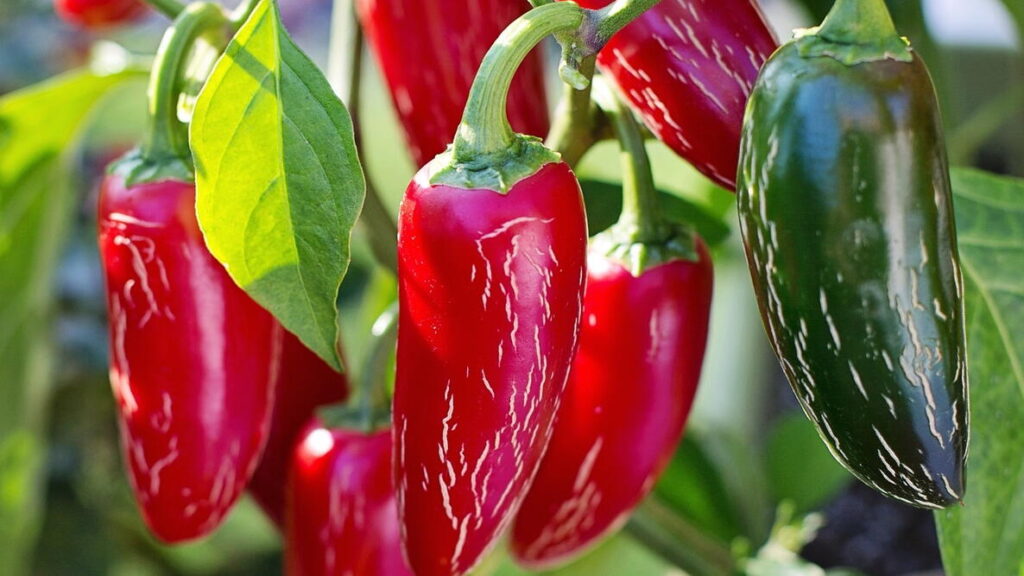
Jalapeños are heavy feeders and need nutrients for continuous flowering and fruiting.
Fertilization Schedule
- At planting: Mix balanced fertilizer (10-10-10) into soil
- Vegetative stage: Weekly feed with nitrogen-rich fertilizer
- Flowering stage: Switch to fertilizer higher in phosphorus and potassium
- Avoid over-fertilizing, which can cause lush foliage but fewer flowers
Organic options include compost tea, fish emulsion, and worm castings.
9. Pollination for Fruit Set
Jalapeños produce male and female flowers that must be pollinated for fruit.
Pollination Tips
- Outdoors: Natural pollinators like bees do the work
- Indoors: Hand-pollinate using a small brush or gently shake the flowers
- Regular pollination ensures continuous fruit production
10. Pruning and Plant Maintenance
Pruning encourages better airflow, stronger stems, and larger fruit.
Pruning Tips
- Remove yellowing or damaged leaves
- Pinch off early flowers on young plants to strengthen roots
- Support heavy branches with stakes or cages
Maintenance promotes healthy, productive plants throughout the season.
11. Common Pests and Disease Management
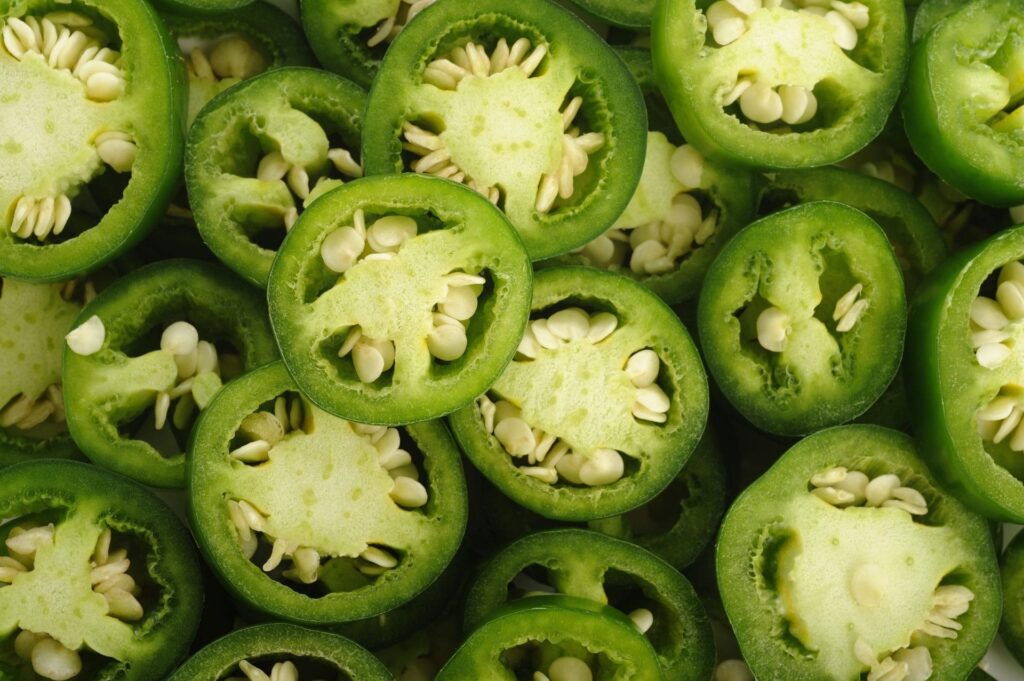
Even home-grown jalapeños are susceptible to pests and diseases.
Common Pests
- Aphids
- Whiteflies
- Spider mites
- Pepper maggots
Diseases
- Bacterial leaf spot
- Fusarium wilt
- Blossom end rot
Prevention
- Ensure proper spacing and airflow
- Use neem oil or insecticidal soap for pest control
- Water at soil level to prevent fungal infections
12. Harvesting Jalapeños
The right harvesting technique encourages continuous production.
Harvest Timing
- Green jalapeños: 2–3 inches long, firm, and glossy
- Red jalapeños: Fully mature, sweeter, and spicier
- Regularly pick every 2–3 days to stimulate new flower and fruit production
Harvesting Tips
- Use sharp scissors or pruning shears to cut fruit
- Avoid pulling fruit to prevent stem damage
- Handle gently to prevent bruising
13. Storage and Use
Freshly harvested jalapeños can be used immediately or stored.
Storage
- Refrigerate in perforated plastic bags for 1–2 weeks
- Freeze or pickle for long-term storage
- Dry for making homemade chili powders
Culinary Uses
- Fresh in salads, salsas, and sauces
- Roasted or grilled for added flavor
- Pickled or canned for later use
14. Tips for Continuous Harvest
- Grow multiple plants for a steady supply
- Use succession planting: start new seeds every 3–4 weeks
- Regular watering, fertilization, and pruning keep plants productive
- Provide adequate sunlight or grow lights indoors
Continuous care ensures a bountiful harvest all season long.
15. Final Thoughts
Growing jalapeños at home is rewarding, fun, and highly productive. With proper care, even small containers can yield abundant, spicy peppers that add flavor and nutrition to your meals. By following these seed-to-harvest tips, you can enjoy fresh, fiery jalapeños all season long, whether in salads, sauces, or pickles.
From selecting the right variety, providing proper sunlight and water, to regular fertilization and harvesting, every step contributes to healthy, high-yield plants.
Start your jalapeño garden today, and discover how easy it is to grow your own heat at home!