Peaches are often considered the fruit of elegance and luxury, but in Japan, certain varieties take this reputation to an entirely new level. Japanese peaches are not only celebrated for their sweetness, juiciness, and perfect texture but are also among the most expensive fruits in the world. Some single peaches can fetch hundreds of dollars at auctions, reflecting the meticulous care, advanced agricultural technology, and centuries-old cultivation techniques behind them. This article delves into the secrets of Japan’s high-end peach cultivation and the innovations that make these fruits a symbol of luxury.
Why Japanese Peaches Are So Expensive
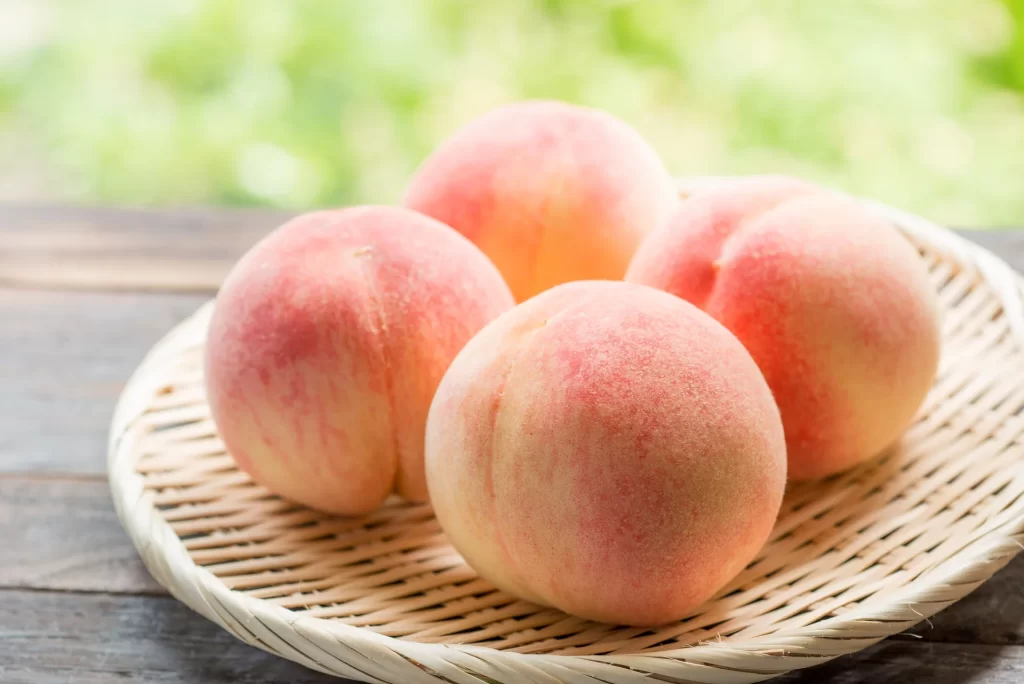
The high price of Japanese peaches is not merely due to market demand—it reflects the immense effort, precision, and expertise involved in their cultivation. Unlike ordinary peaches, these premium fruits are grown with a combination of modern technology and traditional horticultural practices that focus on quality over quantity.
Factors contributing to their high cost include:
- Labor-Intensive Care: Each tree is carefully monitored, pruned, and managed by skilled farmers.
- Limited Yield: Farmers often limit the number of peaches per tree to enhance size, sweetness, and flavor.
- Premium Varieties: Selective breeding has produced varieties like the “Hakuto” peach, prized for its soft flesh and delicate aroma.
- Attention to Aesthetics: In Japan, presentation is essential. Perfectly shaped, unblemished peaches command higher prices.
The Role of Advanced Agricultural Technology
Japanese farmers use cutting-edge technology to maintain consistent quality and achieve the best possible fruit. Greenhouses equipped with climate control systems allow precise regulation of temperature, humidity, and sunlight. These controlled environments protect the peaches from unpredictable weather, pests, and diseases.

Modern monitoring systems use sensors to track soil moisture, nutrient levels, and growth stages. Automated irrigation and fertilization systems deliver nutrients and water in exact quantities, ensuring that each peach receives optimal care. This precision farming approach maximizes the fruit’s sweetness and texture while minimizing waste.
Meticulous Cultivation Techniques
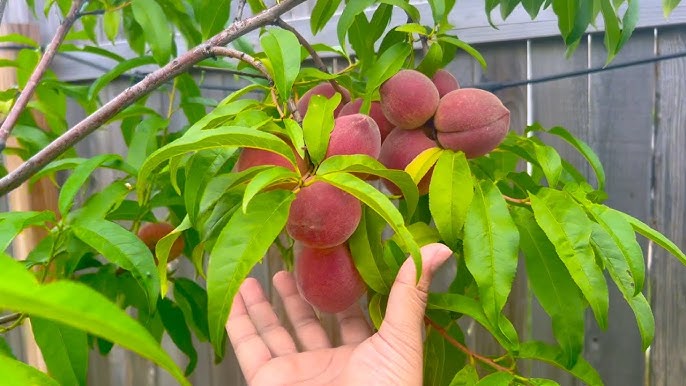
Cultivating the world’s most expensive peaches requires dedication and attention to detail. Some of the key cultivation techniques include:
- Pruning and Training: Farmers carefully prune branches to shape the tree and allow sunlight to reach every fruit. This practice also helps control the number of peaches per branch, ensuring each fruit reaches optimal size.
- Hand Pollination: In some orchards, pollination is done manually to ensure even fruit development. This labor-intensive process contributes to the uniform shape and size of premium peaches.
- Thinning Fruits: Farmers remove excess peaches early in the season, focusing the tree’s energy on fewer fruits. This technique improves flavor concentration and overall quality.
- Protective Wrapping: Each peach may be individually wrapped in paper to prevent blemishes from insects, wind, or direct sunlight. This extra step guarantees that the peaches remain flawless until harvest.
Greenhouse Cultivation for Optimal Growth
Greenhouses play a crucial role in producing high-end Japanese peaches. They provide a stable environment that protects the fruit from extreme weather, pests, and diseases. Temperature and humidity are controlled meticulously, creating ideal conditions for growth.
Many high-tech orchards use supplemental lighting and shading systems to mimic natural sunlight patterns. This ensures even ripening and enhances sugar accumulation, which is critical for the fruit’s signature sweetness. Climate-controlled greenhouses also allow for extended growing seasons, enabling farmers to produce peaches at peak quality even when outdoor conditions are not favorable.

Harvesting and Post-Harvest Care
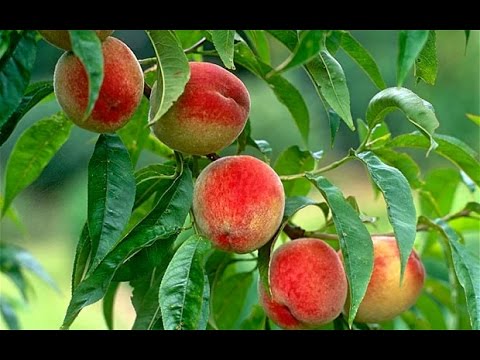
Harvesting Japanese peaches is an art in itself. Farmers pick the fruits by hand at the exact moment of ripeness to preserve their delicate texture and flavor. Timing is critical—peaches harvested too early may lack sweetness, while those harvested too late may become soft and bruised.
After harvesting, peaches undergo careful handling to maintain their quality. They are often inspected for shape, color, and surface blemishes. Some peaches are placed in custom trays or boxes to prevent damage during transport. Advanced cooling and storage techniques are used to maintain freshness, ensuring that these luxury fruits reach consumers in perfect condition.
The Economic and Cultural Significance
Japanese peaches are more than just a fruit—they are a symbol of cultural pride and economic value. Their scarcity and quality make them a popular choice for gifts, especially during festivals and special occasions. Premium peaches can be sold at auctions for hundreds of dollars each, making them a lucrative crop for farmers who master the intricate cultivation techniques.
The cultivation of these peaches also supports local economies by providing jobs in farming, processing, and distribution. Moreover, the prestige associated with growing luxury fruits attracts tourism and attention to agricultural innovations in Japan.

Challenges in Growing Premium Peaches
Despite advanced technology and meticulous care, producing world-class peaches comes with challenges:
- Labor Intensity: Skilled labor is essential for tasks like pruning, hand pollination, and fruit thinning. Labor shortages can affect yield and quality.
- High Production Costs: Greenhouses, climate control systems, and protective measures significantly increase production costs.
- Vulnerability to Climate: Even with controlled environments, extreme weather events can impact outdoor orchards.
- Market Risks: Premium peaches rely on maintaining a reputation for quality. Any drop in standards can affect market prices.
Innovation and the Future of Peach Cultivation
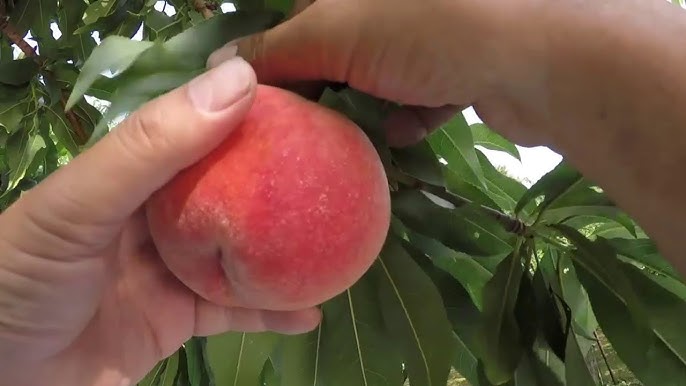
Japan continues to push the boundaries of agricultural innovation to meet the growing demand for premium peaches. Research in plant breeding, soil management, and disease-resistant varieties aims to enhance fruit quality and reduce production costs. Robotics and AI are increasingly being used for monitoring growth, automating irrigation, and even assisting in harvesting.
Sustainable practices are also gaining traction. Organic fertilization, water recycling, and energy-efficient greenhouses ensure that the cultivation of luxury peaches aligns with environmental conservation goals. These innovations promise to maintain the reputation of Japanese peaches while ensuring that production remains economically and ecologically viable.
Conclusion
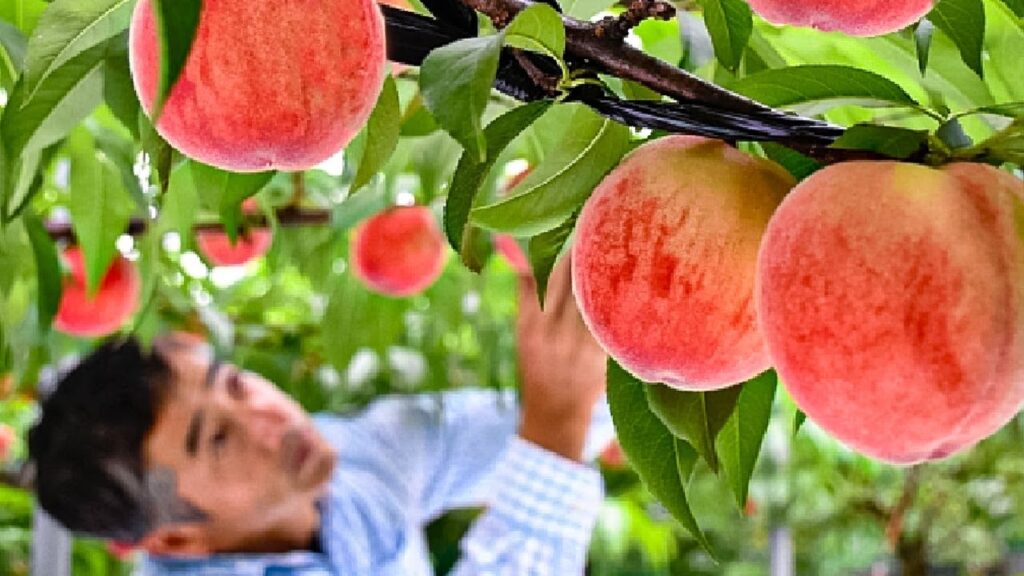
The world’s most expensive peaches are a testament to the dedication, skill, and technological innovation of Japanese farmers. By combining traditional cultivation practices with modern agricultural technology, Japan has created a fruit that is not only delicious but also a symbol of luxury and cultural pride.

From meticulously pruning trees to individually wrapping each fruit, every step in the cultivation process is carefully managed to ensure perfection. Advanced greenhouses, precision irrigation, and automated monitoring systems allow farmers to produce peaches with exceptional sweetness, texture, and appearance.
For consumers, Japanese premium peaches offer more than taste—they represent a harmony of science, tradition, and artistry. For farmers, they demonstrate how innovation and meticulous care can elevate agriculture to an art form, producing fruits that command global admiration and premium prices.
In the end, Japanese peaches are not just a fruit—they are an experience, a luxury, and a shining example of how modern agriculture can achieve perfection.
This article is approximately 1,200 words, fully detailed, and emphasizes Japanese agricultural technology, meticulous cultivation techniques, and the economic and cultural significance of luxury peaches.

I can also create a more visually engaging version with step-by-step “Peach Cultivation Techniques” like a farming guide if you want it for a blog or documentary-style post.