Technology has transformed nearly every part of our lives, and now it’s changing how we maintain our lawns. Robotic lawn mowers—compact, self-guided machines that trim your grass automatically—are becoming increasingly popular among homeowners who want a tidy yard without the hassle of weekly mowing.
But are robotic lawn mowers really worth the investment? Like any technology, they come with both advantages and drawbacks. If you’re considering buying one, here’s a detailed breakdown of the pros and cons to help you decide.
What Is a Robotic Lawn Mower?
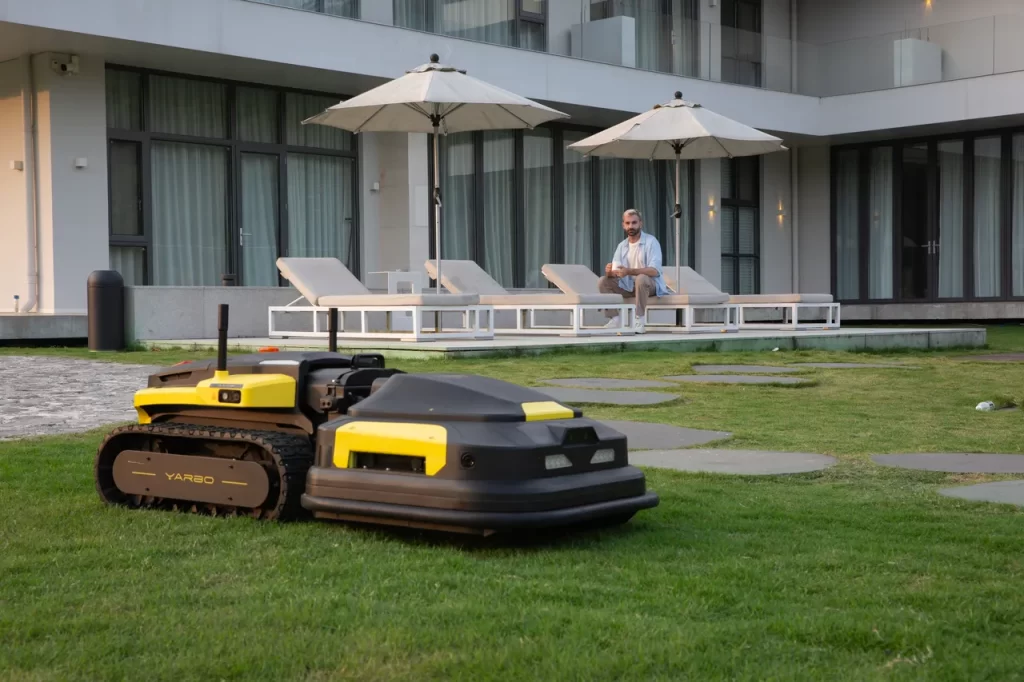
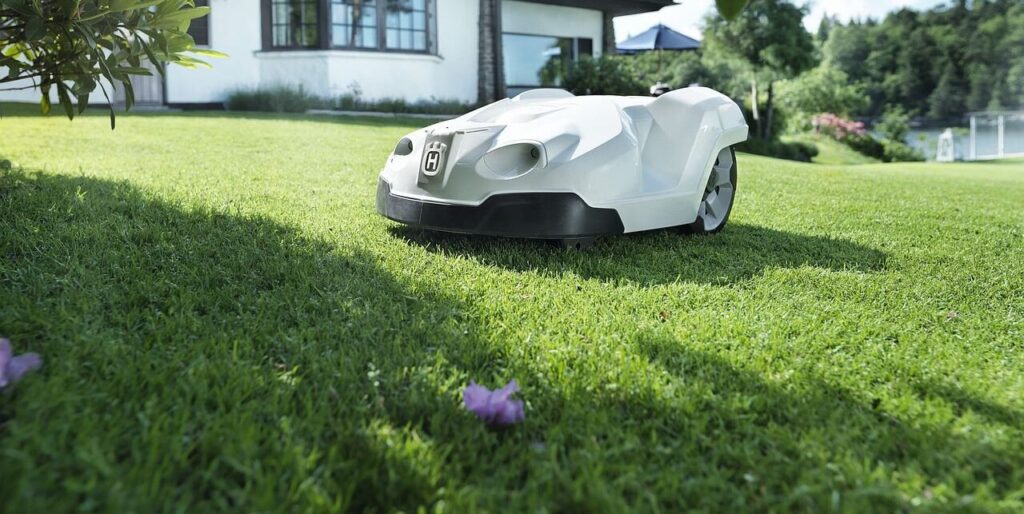
A robotic lawn mower is essentially the lawn-care equivalent of a robotic vacuum. Once set up, it navigates your yard, cutting grass to a set height without human involvement. Most models use boundary wires or GPS mapping to stay within your lawn’s perimeter, and many are programmable via smartphone apps for scheduling and monitoring.
These devices are battery-powered and return to their charging dock automatically when the job is done—or when the battery gets low.

Pros of Robotic Lawn Mowers

1. Convenience and Time-Saving
The biggest appeal is obvious: no more pushing or riding a mower in the summer heat. Once programmed, robotic mowers quietly do the work while you relax or focus on other tasks.
2. Healthier Lawns
Robotic mowers use a “little and often” approach, trimming just a few millimeters of grass at a time. This results in finer clippings that decompose quickly, enriching the soil naturally and reducing the need for fertilizer.
3. Eco-Friendly Operation
Since they’re electric, robotic mowers produce zero direct emissions. They’re quieter and more energy-efficient compared to gas-powered mowers, making them a greener option for lawn care.
4. Low Noise Levels
Most robotic mowers operate at around 55–65 decibels, much quieter than the roar of a traditional mower. This is ideal if you live in a neighborhood with noise restrictions or simply want to mow without disturbing your peace.

5. Smart Features
Modern models often come equipped with GPS, smartphone connectivity, rain sensors, and anti-theft technology. You can schedule mowing sessions, track progress, and even adjust settings remotely.
6. Safety Features
Robotic mowers are designed with safety in mind. They stop blades instantly if lifted or tipped, reducing the risk of injury compared to traditional mowers.
Cons of Robotic Lawn Mowers
1. High Initial Cost
Robotic mowers typically range from $800 to $3,500 or more depending on features and yard size. That’s significantly more than most push mowers and many riding mowers.
2. Setup and Installation
Many models require boundary wires to be installed around the perimeter of your yard. This process can be time-consuming, especially for larger or irregularly shaped lawns.

3. Limited Power for Tough Terrain
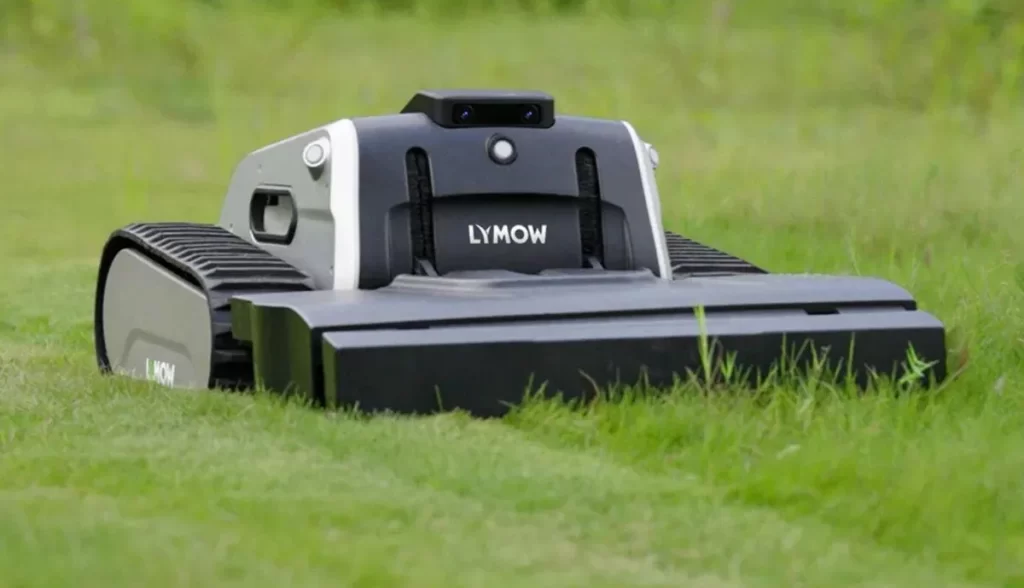
Robotic mowers work best on relatively flat, open lawns. Steep slopes, uneven terrain, or yards with lots of obstacles may limit performance. Thick or tall grass can also challenge some models.
4. Ongoing Maintenance
While they save mowing time, robotic mowers still require blade replacements, software updates, battery maintenance, and occasional troubleshooting.
5. Smaller Cutting Width
Compared to traditional mowers, robotic mowers cut less grass at once, which means they may take longer to complete large lawns.
6. Security Concerns
Despite built-in anti-theft systems, robotic mowers can still be stolen if left unsupervised. Some homeowners worry about leaving such an expensive device outdoors.

Who Benefits Most From a Robotic Lawn Mower?
Robotic mowers are ideal for:
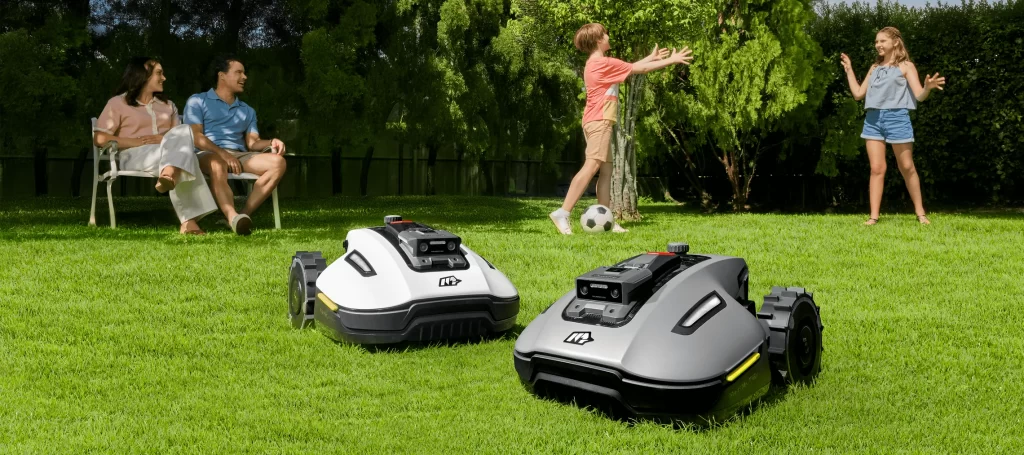
- Busy homeowners who want a well-kept yard without weekly mowing.
- Environmentally conscious gardeners seeking a quieter, cleaner alternative to gas mowers.
- People with mobility issues who can’t safely push or ride a mower.
- Small to medium lawns with few obstacles or steep slopes.
They may not be the best choice for very large yards, heavily wooded properties, or areas with thick, tall grass that require heavy-duty mowing.
Tips for Getting the Most From a Robotic Mower
- Install boundary wires carefully to ensure accurate navigation.
- Keep grass at a manageable height before introducing the mower.
- Maintain blades regularly for clean, efficient cuts.
- Store the mower properly in winter, keeping it indoors and charging the battery periodically.
Final Thoughts
Robotic lawn mowers represent the future of lawn care: quiet, eco-friendly, and incredibly convenient. For many homeowners, they’re a worthwhile investment that saves time, improves lawn health, and reduces environmental impact.
However, the high upfront cost, installation requirements, and limitations on terrain mean they aren’t for everyone. If you value convenience and have a yard suited to their capabilities, a robotic mower may be one of the best gardening investments you’ll ever make.

But if you enjoy mowing, have a complex yard, or need a heavy-duty machine, sticking with a traditional mower may still be the better option.
Bottom line: A robotic lawn mower can be a game-changer—if it matches your lawn, your budget, and your lifestyle.