Gardening is deeply rewarding, but let’s face it—yard work can also be physically demanding. Hours of bending, kneeling, digging, and hauling can leave you with sore muscles or even injuries. The good news is that the right garden tools can make a huge difference.
Ergonomically designed equipment doesn’t just save time—it protects your back, joints, and hands so you can enjoy gardening without the aches and pains. Here are six essential garden tools that every gardener should consider for making work easier, faster, and far more comfortable.
1. Long-Handled Ergonomic Weeder
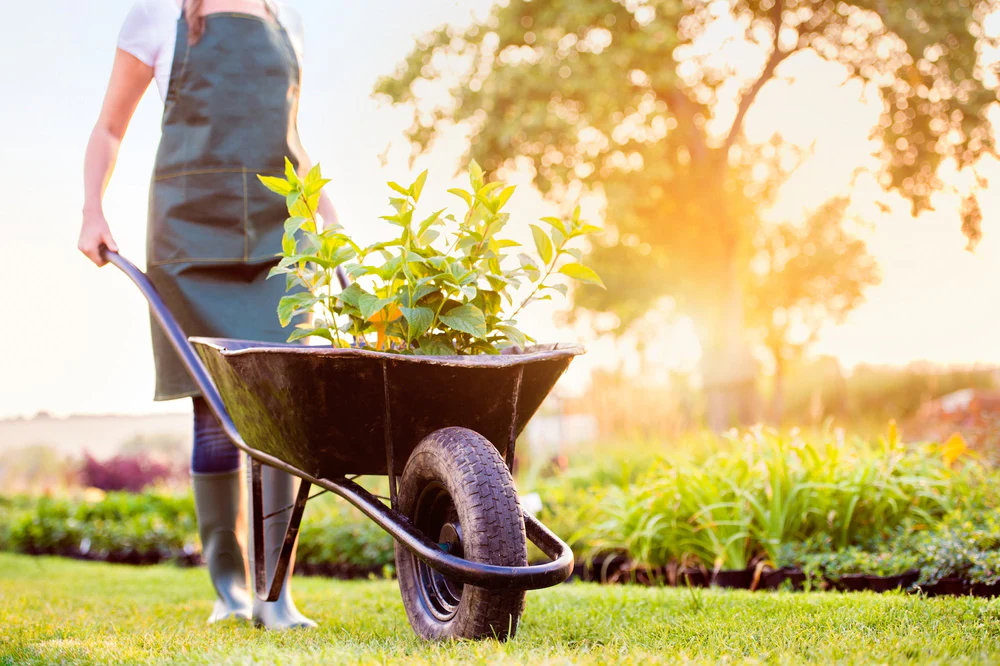
Weeding is one of the most repetitive and back-straining tasks in gardening. Constant bending or kneeling to pull weeds can quickly lead to sore muscles. A long-handled ergonomic weeder solves this problem by allowing you to remove weeds while standing upright.
Why it helps:

- Reduces strain on your back and knees.
- Leverages foot pedals or claw mechanisms to pull weeds out by the root.
- Perfect for dandelions, crabgrass, and other stubborn invaders.
Pro tip: Choose a model with a padded handle and steel claws for maximum comfort and durability.
2. Lightweight Ergonomic Pruners
Pruning is essential for keeping plants healthy and shaping your garden, but standard shears can cause hand fatigue—especially if you’re tackling thicker branches. Ergonomic pruners are designed with angled blades and cushioned grips that reduce strain on your wrist and fingers.
Why it helps:
- Makes clean, precise cuts with less effort.
- Reduces the risk of repetitive strain injuries like “gardener’s thumb.”
- Keeps shrubs, roses, and small trees in top condition without wearing you out.
Pro tip: Look for bypass pruners with non-stick coated blades for smoother cutting and less sap buildup.

3. Raised Garden Beds (and a Garden Seat with Wheels)
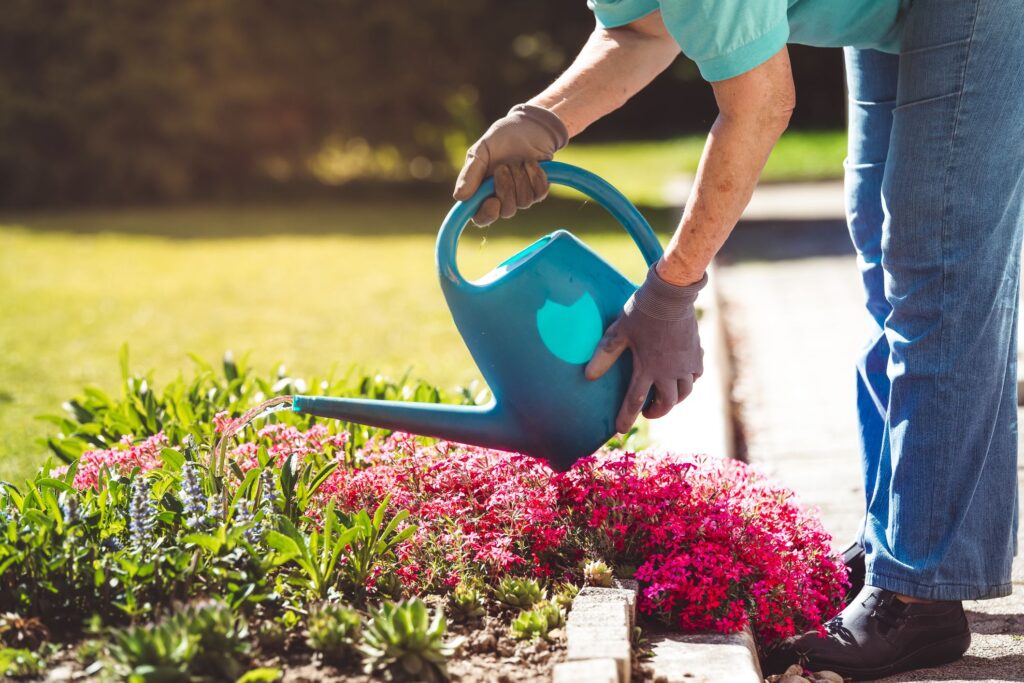
While not technically a hand tool, raised garden beds paired with a mobile garden seat can significantly reduce back strain. By lifting the soil level higher, raised beds cut down on bending, while a rolling garden seat allows you to glide along rows of plants without kneeling.
Why it helps:
- Reduces bending and crouching.
- Keeps weeds at bay and improves drainage.
- Makes harvesting and planting easier for those with limited mobility.
Pro tip: Combine a raised bed with a padded rolling seat that has built-in storage for tools. It turns long garden sessions into comfortable, efficient work.
4. Ergonomic Garden Hoe or Cultivator
Breaking up soil, removing weeds, or mixing compost often involves heavy manual labor. A standard hoe can put strain on your shoulders and lower back, but an ergonomic hoe or cultivator is designed with angled blades and longer handles to make the motion more natural.

Why it helps:
- Cuts into soil with less force.
- Helps aerate and weed large areas faster.
- Reduces repetitive twisting motions.
Pro tip: Try a stirrup hoe (also called a hula hoe). Its oscillating blade cuts on both the push and pull stroke, making weeding nearly effortless.
5. Collapsible Garden Cart or Wagon
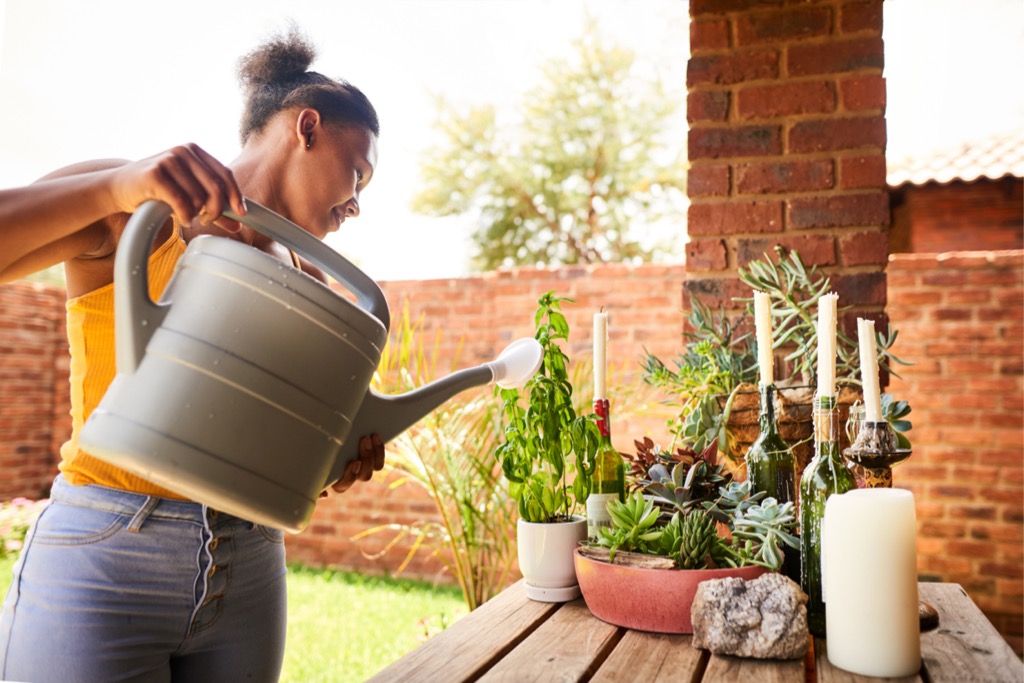
One of the biggest causes of back strain is carrying heavy loads—bags of soil, mulch, compost, or even harvest baskets. A collapsible garden cart or wagon takes the strain off your body and saves countless trips across the yard.
Why it helps:

- Lets you haul supplies without lifting and carrying.
- Many models fold flat for easy storage.
- Durable wheels handle rough or uneven terrain.
Pro tip: Choose a cart with pneumatic tires for smoother rolling and higher weight capacity. A dump-cart style wagon is especially handy for unloading soil or mulch.
6. Long-Handled Watering Wand
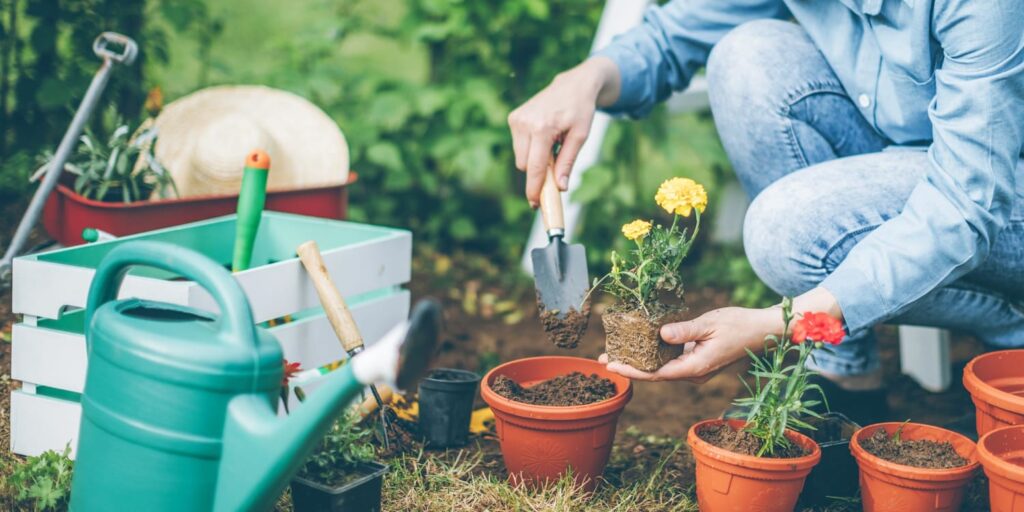
Watering can seem harmless, but holding heavy hoses, bending over flowerbeds, or reaching hanging baskets can quickly fatigue your arms and back. A watering wand—an extension that attaches to your hose—allows you to water with precision while standing upright.
Why it helps:
- Directs water exactly where it’s needed, reducing waste.
- Prevents back strain from bending or lifting watering cans.
- Makes watering hanging baskets or raised beds much easier.
Pro tip: Opt for a lightweight aluminum wand with an adjustable spray head so you can switch from a gentle shower for seedlings to a steady stream for larger plants.

Bonus: Garden Kneeler and Seat
While not on the main list, a folding garden kneeler deserves mention. These handy devices work as both a low seat and a cushioned kneeling pad. Some even include side handles to help you stand back up—perfect for anyone with knee or back issues.
Tips for Choosing Ergonomic Tools

- Check weight: Lighter tools reduce fatigue but should still be sturdy.
- Handle design matters: Look for cushioned, non-slip grips that feel comfortable in your hand.
- Match tool length to your height: Longer handles reduce bending for tall gardeners, while shorter tools give smaller gardeners better control.
- Quality over quantity: Investing in a few high-quality ergonomic tools is better than filling your shed with cheap ones that don’t ease strain.
Final Thoughts
Gardening doesn’t have to leave you sore and exhausted. With the right tools—like ergonomic weeders, lightweight pruners, watering wands, and supportive carts—you can save both time and your back. These smart investments not only make your garden more enjoyable but also help ensure you can keep gardening for years to come.
After all, the joy of gardening should come from watching your plants grow—not from nursing sore muscles at the end of the day. Equip yourself with tools that work smarter, not harder, and you’ll find that tending your garden feels less like a chore and more like the relaxing, fulfilling activity it’s meant to be.