Few pests frustrate gardeners as much as slugs. These slimy creatures can strip seedlings overnight, chew holes in hosta leaves, and leave behind unsightly silver trails. While chemical slug pellets are effective, they often come with downsides: harming pets, wildlife, and beneficial insects. The good news? There are plenty of natural, chemical-free ways to control slugs that are safe for your garden’s ecosystem.
Here’s a comprehensive guide to identifying, managing, and preventing slug damage without resorting to harmful chemicals.
Why Slugs Are a Problem in Gardens
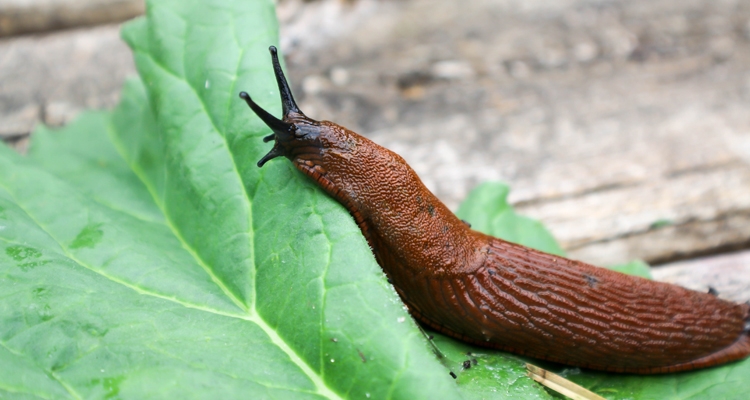
Slugs are nocturnal feeders that thrive in damp, shady environments. They’re especially active in spring and fall when conditions are moist and cool.
- What they eat: Tender seedlings, leafy greens, strawberries, hostas, and almost any soft plant tissue.
- Why they’re hard to control: They hide during the day in mulch, under pots, or in soil crevices.
- Signs of slug damage: Irregular holes in leaves, missing seedlings, and shiny slime trails across soil or plants.
Understanding their habits helps you stay one step ahead.
1. Handpicking (Old-School but Effective)
It may not sound glamorous, but handpicking slugs is one of the most effective, immediate methods.

- Go out in the evening or early morning with a flashlight.
- Wear gloves and drop slugs into a container of soapy water.
- Regular handpicking dramatically reduces populations over time.
Pro Tip: After rain or watering, slugs are easier to spot and collect.
2. Beer Traps
Slugs are famously attracted to beer’s yeast smell.
- Sink a shallow container into the ground so the rim is level with the soil.
- Fill it halfway with stale beer or a yeast-water-sugar mixture.
- Slugs crawl in, get trapped, and drown.
Pro Tip: Empty and refill traps every few days. Place several around the garden for best results.
3. Copper Barriers
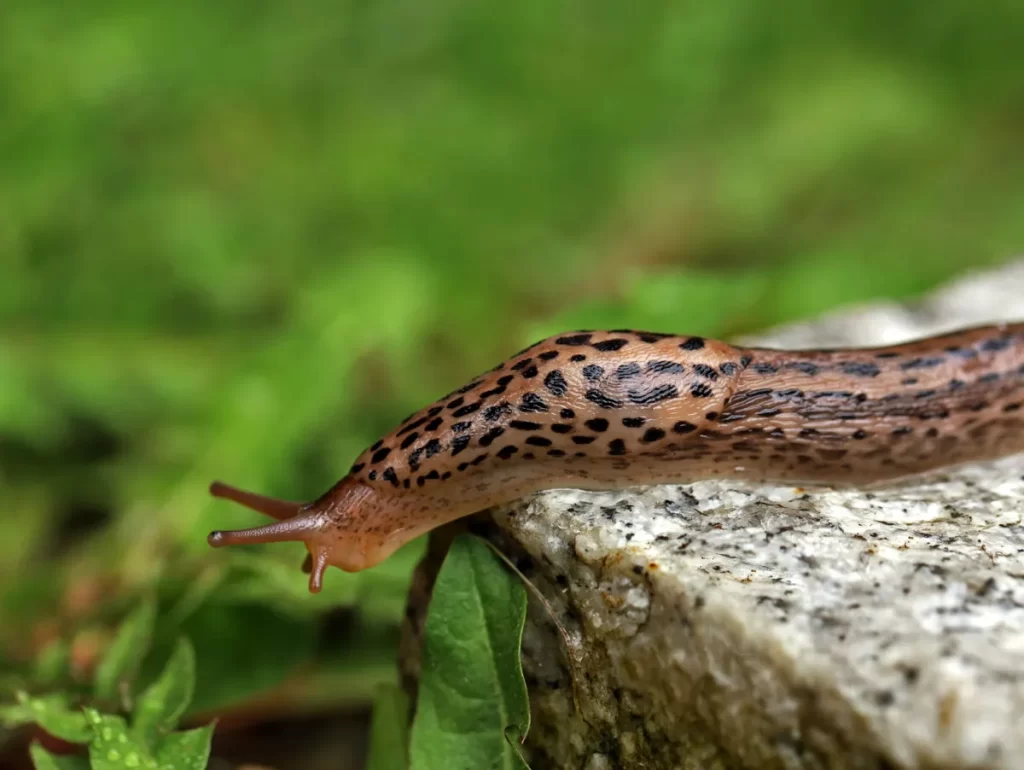
Slugs dislike crawling over copper—it reacts with their slime, giving them a mild shock.
- Use copper tape around raised beds, pots, or individual plants.
- Copper mesh or strips also work as barriers.
Pro Tip: Keep copper surfaces clean; dirt reduces effectiveness.

4. Eggshells, Sand, and Grit
Rough, sharp textures deter slugs, which prefer moist, smooth surfaces.
- Crushed eggshells, sand, wood ash, or diatomaceous earth sprinkled around plants create a barrier.
- Reapply after rain, since moisture reduces effectiveness.
Pro Tip: Combine with other methods for greater success—this works best as a deterrent, not a standalone solution.
5. Encourage Natural Predators
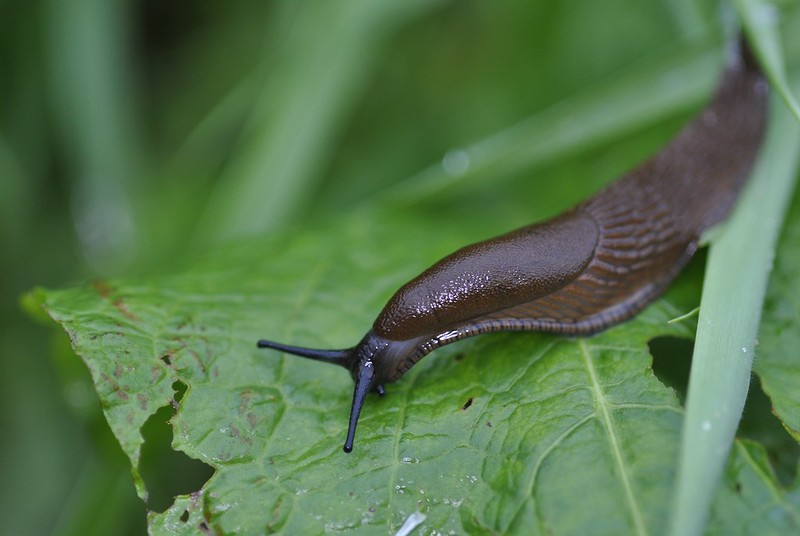
The best way to fight slugs is to let nature help. Many animals consider slugs a tasty snack.
- Birds (especially thrushes and ducks).
- Frogs and toads.
- Ground beetles and hedgehogs (in some regions).
How to attract them:
- Install a small wildlife pond for frogs.
- Leave some ground cover or log piles for beetles.
- Avoid pesticides, which harm slug predators.
6. Decoy Plants and Trap Crops
Give slugs something else to chew on so they leave your prized plants alone.

- Plant sacrificial crops like lettuce, mustard, or marigolds in a separate area.
- Check trap crops daily and handpick slugs.
Pro Tip: Use old lettuce leaves or melon rinds as bait piles. Leave them overnight, then collect slugs in the morning.
7. Water Smartly
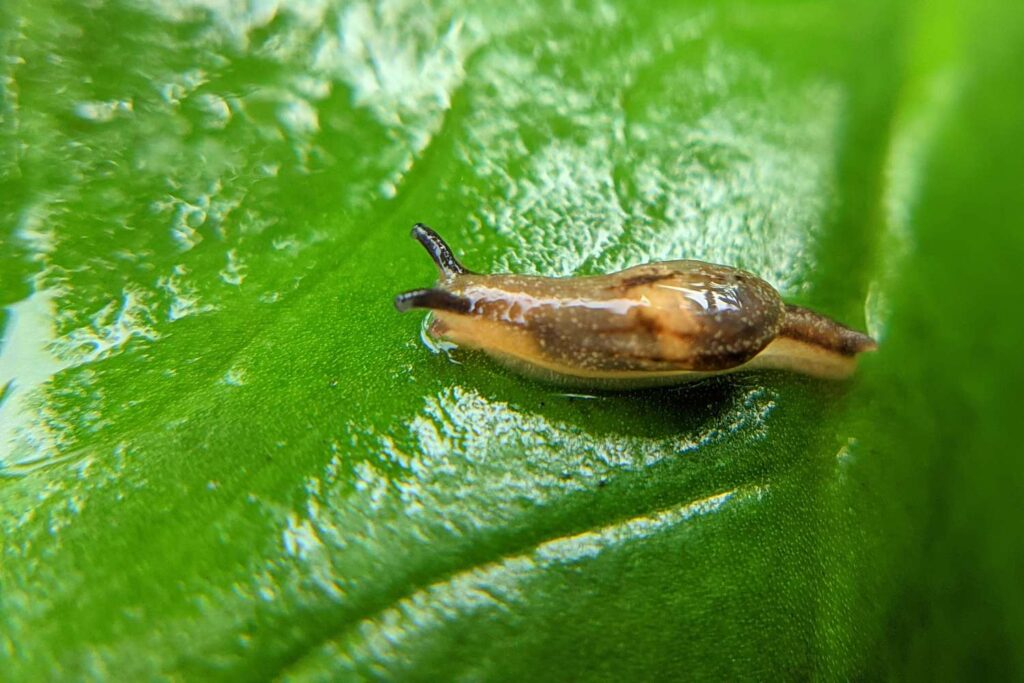
Since slugs thrive in damp conditions, changing your watering habits can help.
- Water in the morning instead of the evening. This gives soil a chance to dry before night, when slugs are most active.
- Avoid overwatering—keep soil moist, not soggy.
Pro Tip: Drip irrigation or soaker hoses reduce surface moisture compared to overhead watering.
8. Use Nematodes (Biological Control)
Beneficial nematodes are microscopic worms that target slugs in the soil.
- Available as a soil treatment, they enter slugs and release bacteria that kill them.
- Safe for pets, wildlife, and plants.
- Works best in moist soil and when soil temperatures are above 50°F (10°C).
Pro Tip: This method is highly effective against young slugs but less so against mature adults.
9. Mulch Wisely
While mulch retains moisture and benefits plants, it can also provide hiding spots for slugs.
- Avoid thick, damp mulches like straw in areas with heavy slug activity.
- Instead, try coarse mulch (bark chips, gravel) that slugs find harder to navigate.
Pro Tip: Keep mulch pulled back slightly from vulnerable seedlings.
10. Raise Plants Off the Ground
For particularly vulnerable crops like strawberries or lettuce, lifting them off soil reduces slug damage.
- Use raised beds, vertical planters, or hanging baskets.
- Keep foliage trimmed so leaves don’t touch the ground, creating slug bridges.
Bonus Tip: Keep the Garden Tidy
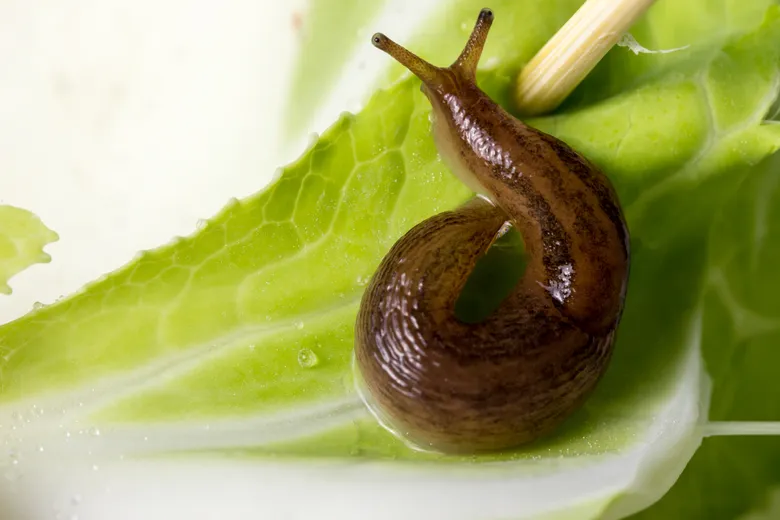
Slugs love clutter. Old pots, boards, and debris provide perfect hiding spots. Keeping your garden clean helps limit daytime shelters.
- Remove weeds and excess organic debris.
- Store pots and tools off the ground.
- Keep pathways clear.
Final Thoughts
Getting rid of slugs without chemicals isn’t just possible—it’s better for your garden in the long run. By combining methods like handpicking, barriers, natural predators, and smart watering, you can reduce slug damage significantly while maintaining a healthy ecosystem.
Remember, the goal isn’t to eradicate slugs completely—they’re part of nature’s food chain. Instead, focus on managing populations so they don’t overwhelm your plants. With patience and persistence, you’ll strike a balance where your garden flourishes and slug damage stays minimal.
Your garden—and the wildlife that shares it—will thank you.