Weeds are the bane of every gardener’s existence. They sprout between patio stones, invade vegetable patches, and compete with flowers and lawns for water and nutrients. While many people reach for chemical sprays or manual pulling, there’s a lesser-known method gaining attention: weed burning. Also called flame weeding or thermal weeding, this approach uses heat to kill unwanted plants.
But should you burn weeds in your yard? Is it safe, effective, and environmentally friendly? Experts weigh in on the pros and cons of this fiery approach.
What Is Weed Burning?
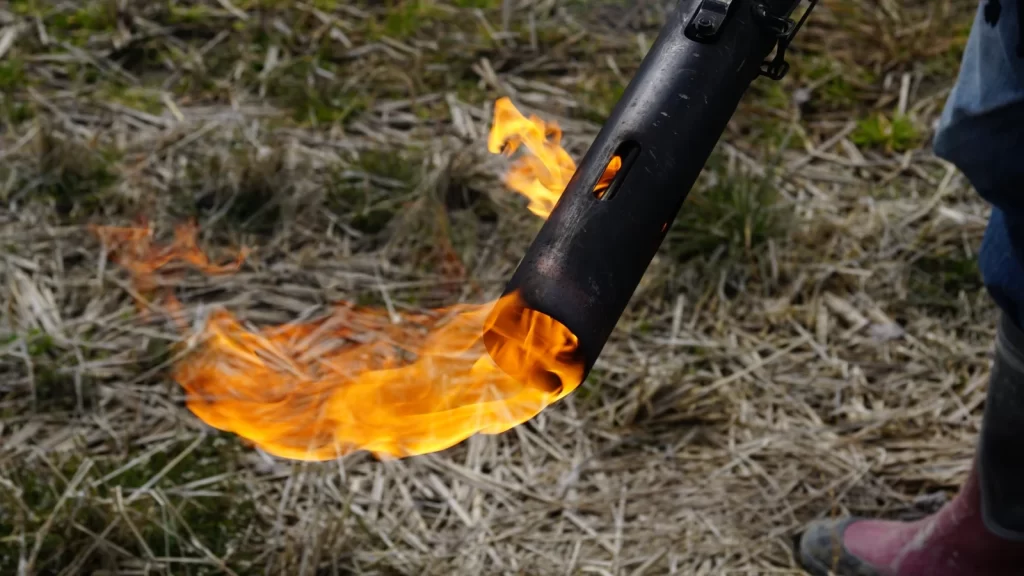
Weed burning involves applying high heat directly to weeds using a propane torch, specialized weed burner, or electric thermal weeder. Instead of igniting the weed into flames, the goal is to heat the plant cells until they rupture. This causes the weed to wilt and die within a few hours or days.

Key Point: Burning weeds isn’t about turning them to ash—it’s about damaging their tissues so they can’t survive.
How Does Weed Burning Work?
When the flame or heat passes over the plant, it disrupts the weed’s cell membranes. This:
- Causes water inside the cells to expand and burst.
- Stops photosynthesis and nutrient flow.
- Leads to wilting, browning, and eventual death.
For shallow-rooted weeds like dandelions, chickweed, and crabgrass, one application may be enough. Deeper-rooted perennials may require repeated treatments.

Where Weed Burning Works Best
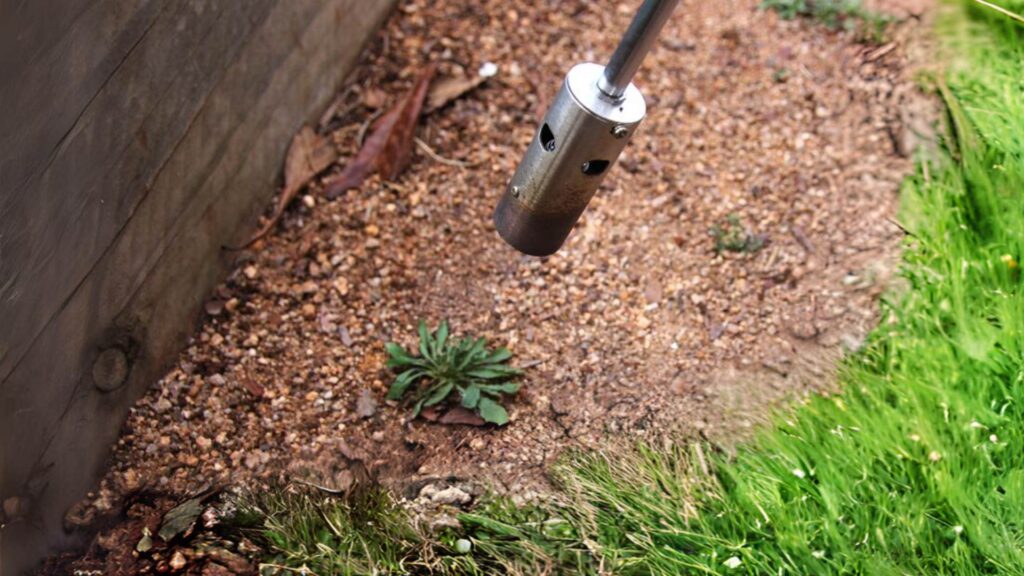
According to experts, weed burning is most effective in specific locations:
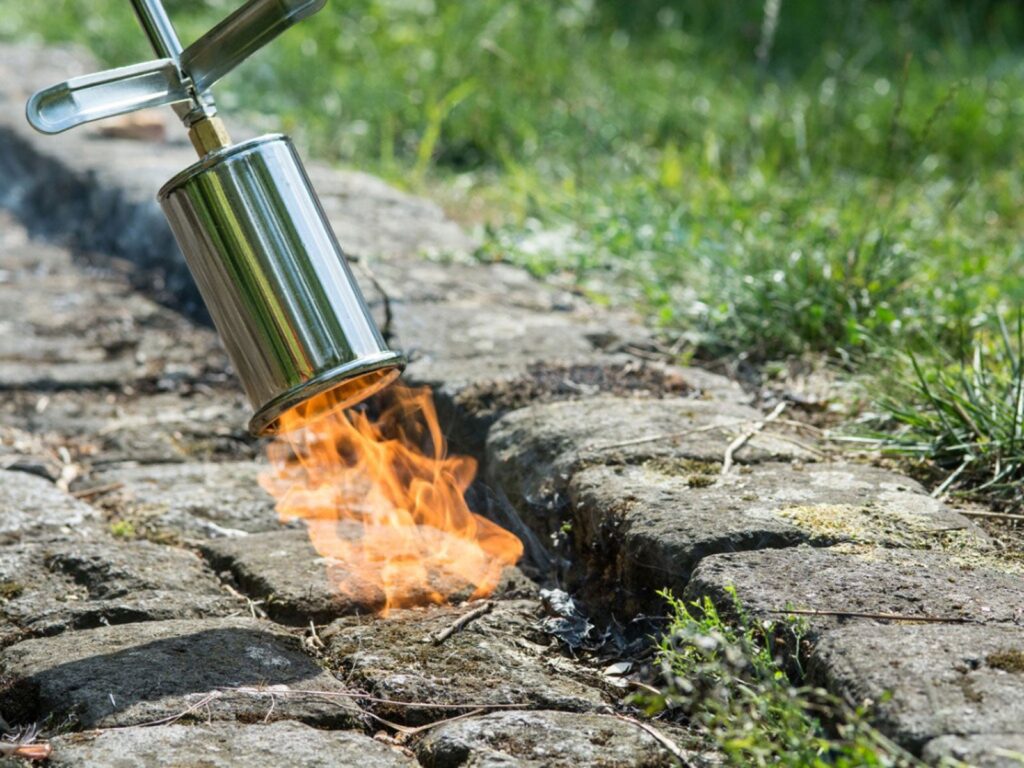
- Driveways and Sidewalks – Perfect for cracks where pulling is difficult.
- Gravel Paths – Heat eliminates weeds without disturbing stones.
- Fence Lines – Helps control invasive weeds along borders.
- Garden Beds Before Planting – A quick pass clears seedlings before sowing crops.
Note: Burning weeds isn’t ideal for lush lawns or garden beds full of desirable plants—heat doesn’t discriminate.
Pros of Burning Weeds
- Chemical-Free Solution
Flame weeding avoids herbicides, making it safer for pollinators, pets, and children. - Quick and Immediate Results
Unlike hand-pulling or sprays, you see wilting within hours. - Reduces Weed Seeds in Soil
Heat can sterilize the top layer of soil, destroying some weed seeds before they germinate. - No Soil Disturbance
Unlike hoeing or tilling, flame weeding doesn’t bring buried weed seeds to the surface. - Environmentally Conscious (When Done Right)
For small areas, the propane use is minimal compared to large-scale chemical applications.
Cons of Burning Weeds
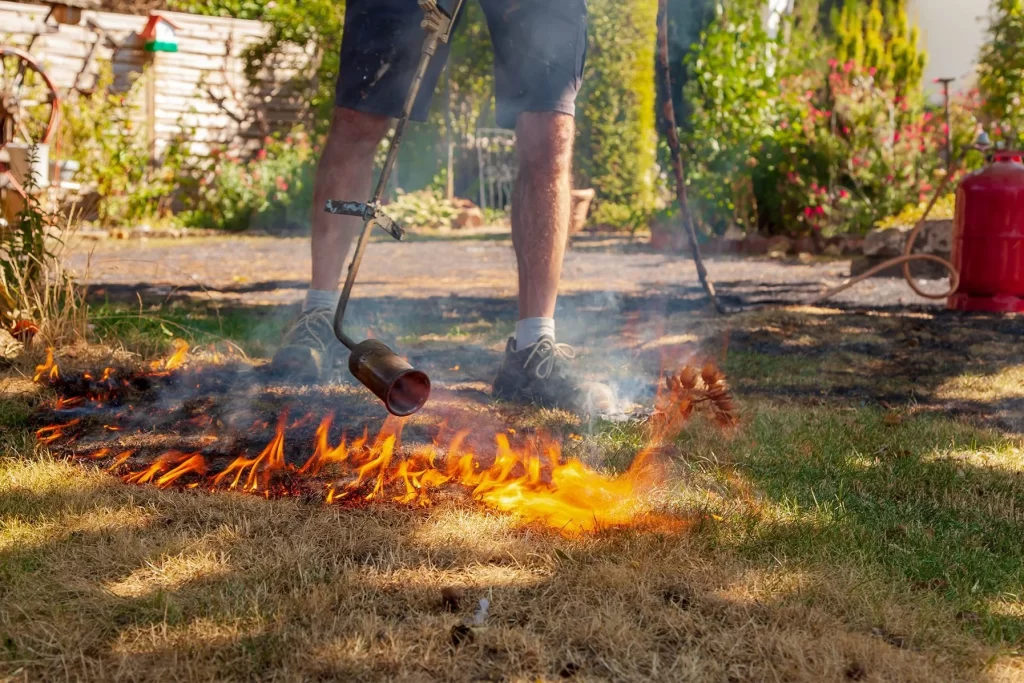
- Fire Hazard
The biggest concern is safety. Dry grass, mulch, or windy conditions can quickly lead to wildfires. - Temporary Results
Perennial weeds with deep roots (like bindweed or thistle) may regrow after treatment. - Limited Use in Wet or Windy Weather
Rain makes the process ineffective, and wind can spread flames. - Requires Protective Gear
Gloves, closed-toe shoes, and safety glasses are recommended to prevent burns. - Fuel Costs and Emissions
Propane isn’t free, and using torches releases carbon dioxide. While minimal, it’s worth considering.
Expert Tips for Burning Weeds Safely
If you decide to try weed burning, safety should be your top priority. Experts suggest the following precautions:

- Check local laws: Some municipalities prohibit open flame use, especially in drought-prone areas.
- Work on damp soil: Slightly moist conditions help reduce fire risks.
- Avoid dry and windy days: Always burn when conditions are calm.
- Keep water nearby: A garden hose or bucket ensures quick response if flames spread.
- Don’t linger: A quick pass of heat is enough—you don’t need to incinerate the plant.
- Wear protective clothing: Heat-resistant gloves, closed shoes, and safety goggles protect you.
Alternatives to Flame Weed Control
If burning feels risky or unsuitable, other non-chemical options exist:
- Boiling Water – Pouring boiling water on weeds kills them instantly, though it can also harm nearby plants.
- Vinegar Sprays – Household vinegar (acetic acid) can scorch weeds, but results are temporary.
- Mulching – A thick mulch layer blocks light and prevents weeds from sprouting.
- Manual Pulling and Hoeing – Still one of the most effective, especially after rain when soil is loose.
- Solarization – Covering soil with clear plastic in summer bakes weeds and seeds under the sun.
What Experts Really Think
Most gardening experts view flame weeding as a niche tool rather than a one-size-fits-all solution.
- Dr. Richard Smith, University of California Cooperative Extension: “Flame weeding is most useful for small-scale growers and home gardeners who want a quick, non-chemical method for managing weeds in driveways or garden beds before planting.”
- Horticulturists at RHS (Royal Horticultural Society): “It’s effective on young, shallow-rooted weeds, but repeated applications may be needed for perennials.”
- Fire Safety Authorities: Strongly caution homeowners in drought-prone areas to use extreme care or avoid burning altogether.
Is Burning Weeds Right for You?
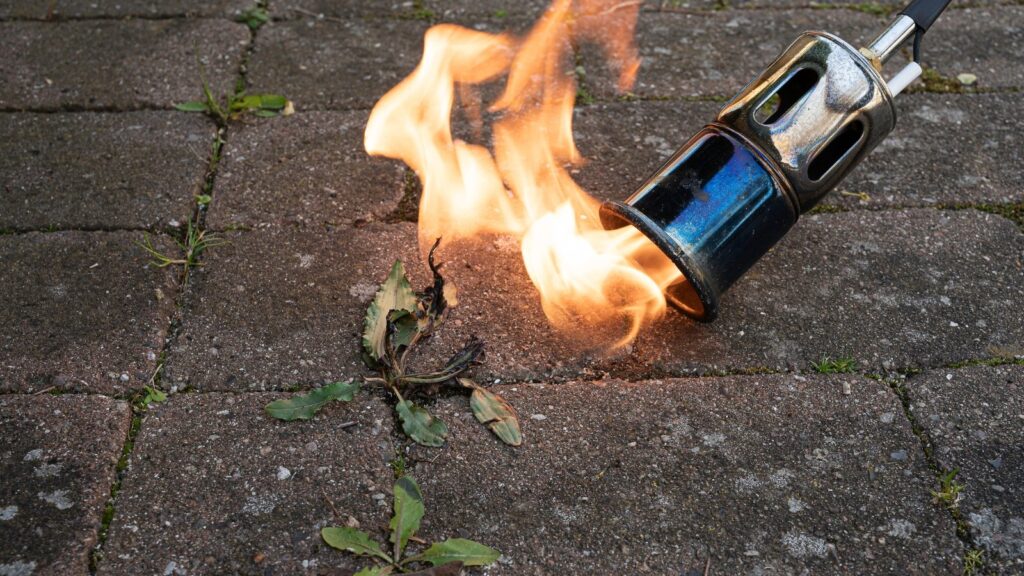
If you’re battling weeds in tough-to-reach spots like gravel paths, patios, or sidewalk cracks, weed burning can be a fast and chemical-free solution. However, it’s not the right choice for everyone.

Choose weed burning if:
- You want an eco-friendly alternative to herbicides.
- You need to clear weeds in hardscapes or non-flammable areas.
- You’re willing to follow safety precautions carefully.
Avoid weed burning if:
- You live in a fire-prone region.
- You have dense plantings where flames could damage nearby crops.
- You’re seeking a permanent solution to deep-rooted perennials.
Final Thoughts
Burning weeds may sound extreme, but when used correctly, it can be an efficient, eco-conscious part of your weed-control toolbox. Think of it as a spot-treatment method rather than a complete solution. Combine it with mulching, manual weeding, and good garden practices to keep unwanted growth in check.

As experts emphasize, safety comes first. If you burn weeds responsibly and strategically, you’ll enjoy a cleaner garden without relying heavily on chemicals—just don’t let the flames get away from you.
Would you like me to also create a step-by-step safety checklist for homeowners who want to try weed burning, so it’s practical and easy to follow?