As autumn arrives, trees paint our neighborhoods in brilliant shades of red, gold, and orange. But as soon as those leaves hit the ground, most homeowners grab their rakes, bags, and blowers to wage war against them. While a spotless lawn might look tidy, here’s a little secret seasoned gardeners know: bagging every leaf you rake is one of the worst things you can do for your yard’s health.
Leaves are nature’s mulch, compost, and soil conditioner rolled into one. When used wisely, they can improve your soil, protect your plants, and even reduce your lawn maintenance workload. Here’s why you should put down the rake—or at least the trash bags—and start working with your leaves instead of against them.
1. Leaves Are Nature’s Free Fertilizer
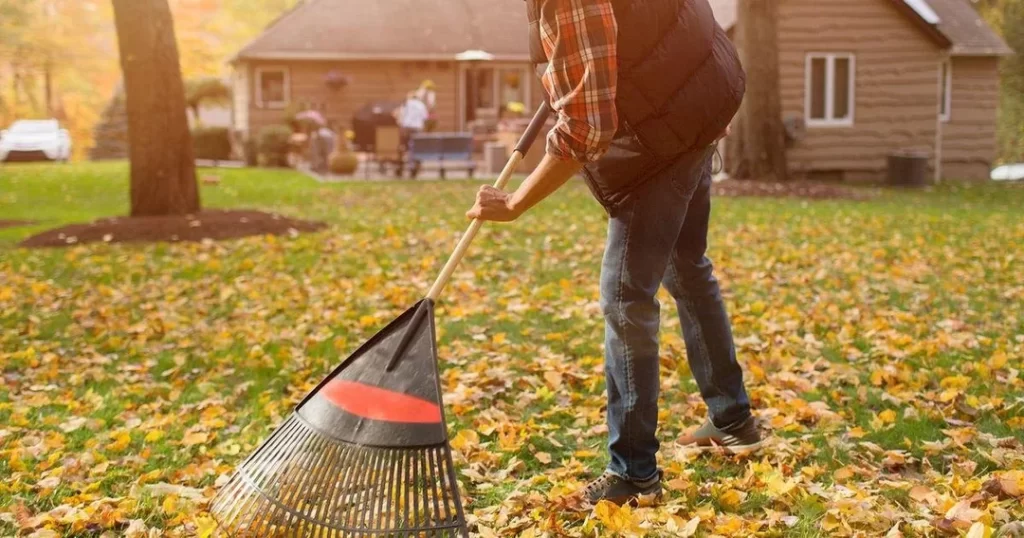
When leaves decompose, they release valuable nutrients like nitrogen, phosphorus, potassium, and trace minerals—essential elements for plant and soil health. In forests, nobody clears the leaf litter, yet the soil remains rich and fertile year after year. That’s because decomposing leaves feed the ecosystem naturally.
What happens when you bag them:
You’re removing organic material that your lawn and garden could use to rejuvenate themselves. Instead, those nutrients end up in landfills, where leaves take up space and release methane as they rot without oxygen.
The smarter alternative:
Mulch leaves into your lawn using a mulching mower. Finely chopped leaves break down quickly, feeding your soil and encouraging microbial activity that keeps grass roots healthy and green.
2. Leaf Mulch Protects Your Soil from Erosion
Bare soil is vulnerable soil. When you rake and bag every leaf, you expose your lawn and garden beds to wind, rain, and temperature extremes. Over time, this leads to erosion, compaction, and the loss of precious topsoil.
A thin layer of shredded leaves acts as a protective blanket, reducing erosion, preventing water runoff, and keeping soil temperatures stable through the cold months.
Pro tip:
Apply a 2–3 inch layer of shredded leaves around trees, shrubs, and perennial beds in fall. This simple step helps insulate plant roots and keeps soil from drying out during winter winds.
3. Leaves Support a Thriving Ecosystem
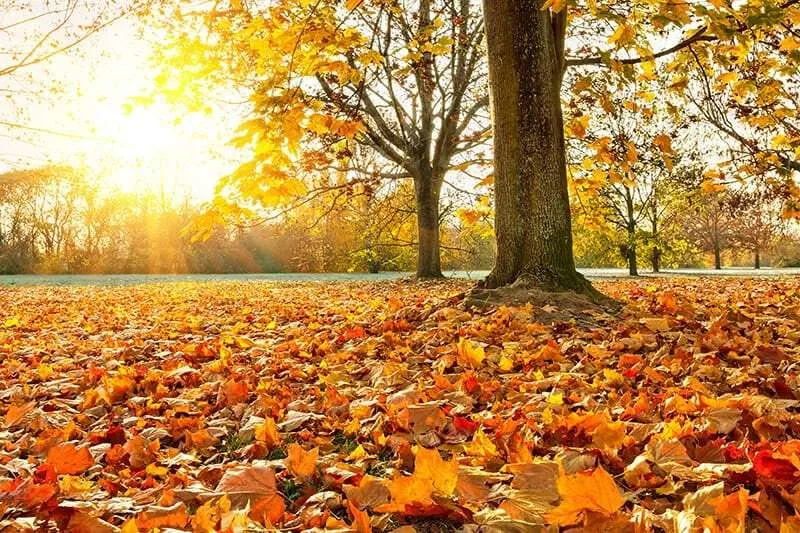
If you care about pollinators and beneficial insects, leaving some leaves in your garden is one of the best ways to support them. Many species—including butterflies, bees, ladybugs, and moths—use fallen leaves for shelter or to overwinter.
For example:
- Luna moths and swallowtail butterflies lay eggs in leaf litter or pupate under it.
- Bees often burrow beneath leaf piles for protection from the cold.
- Fireflies, a favorite of summer evenings, spend much of their lives hiding under fallen leaves.
When you clear away every leaf, you’re unintentionally destroying the habitats of these vital creatures. Leaving even a few small leaf piles under shrubs or in garden corners can make a huge difference.
The secret:
Your messy garden might just be the healthiest one on the block.
4. It Reduces Waste and Helps the Environment
According to the U.S. Environmental Protection Agency (EPA), yard trimmings—including leaves—make up more than 13% of all municipal solid waste. When bagged and sent to landfills, they decompose anaerobically (without oxygen), producing methane—a potent greenhouse gas.
By reusing your leaves on-site, you’re not just saving time and energy—you’re reducing landfill waste and your carbon footprint.

Easy options:
- Mulch them into your lawn.
- Compost them for rich organic matter in spring.
- Use them in garden beds as protective winter mulch.
Each approach helps the planet and your landscape.
5. Mulched Leaves Make Your Lawn Healthier
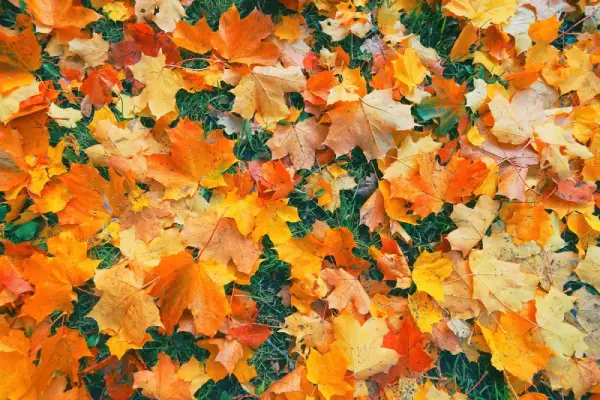
Contrary to what many believe, leaving shredded leaves on your lawn doesn’t suffocate the grass—it actually improves it. When mulched into tiny pieces, they filter down between grass blades and decompose, enriching the soil below.
Benefits of mulched leaves:
- Improves soil structure and drainage.
- Retains moisture during dry spells.
- Adds organic matter that encourages beneficial microbes.
- Naturally suppresses weeds by reducing sunlight reaching the soil surface.
How to do it:
- Use a mulching mower (or regular mower with a mulching blade).
- Mow dry leaves in thin layers—avoid thick piles.
- Continue until the leaf pieces are no larger than a dime.
- Let them settle naturally into the lawn.
Within weeks, the leaf particles will begin breaking down, feeding your turf from below.
6. Leaves Make Excellent Compost
If you have a compost bin or pile, fallen leaves are a goldmine. They provide “browns,” the carbon-rich material that balances the “greens” like grass clippings and kitchen scraps. Together, they create the perfect recipe for nutrient-rich compost.
How to compost leaves:
- Shred leaves to speed up decomposition.
- Mix with green materials (fruit peels, coffee grounds, or grass clippings).
- Keep the pile moist but not soggy.
- Turn occasionally to aerate.
By spring, you’ll have dark, crumbly compost—ideal for feeding vegetables, flowers, and trees.
Pro tip:
If you have more leaves than you can handle, create a simple leaf mold pile—just a mound of shredded leaves that decomposes slowly into rich, earthy organic matter. It’s one of the best soil conditioners you can use.
7. You’ll Save Time, Energy, and Money
Bagging leaves is exhausting, and buying bags, paying for disposal, or hauling them to collection sites takes time and money. Why waste resources removing something that can work for you instead?
Letting nature handle the cleanup saves:
- Hours of labor.
- Money on fertilizer and mulch.
- The energy used for disposal or transport.
The secret:
The less you fight nature’s cycle, the more your garden rewards you. Turning leaves into mulch or compost creates a self-sustaining system—your yard feeds itself naturally.
8. Leaves Can Suppress Weeds in Garden Beds
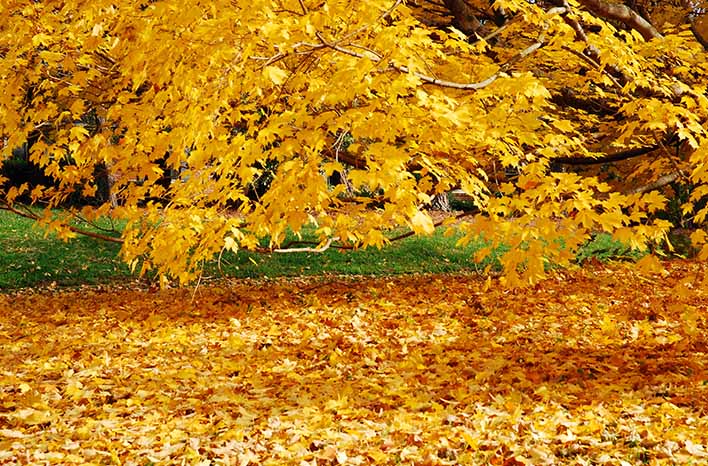
Tired of pulling weeds every spring? Leaves can help with that, too. A thick layer of leaf mulch blocks sunlight from reaching weed seeds, preventing them from germinating.
How to use them:
- Spread a 3–4 inch layer of shredded leaves around perennials, trees, and shrubs.
- Keep mulch a few inches away from plant stems to avoid moisture buildup and rot.
As the leaves decompose, they create a soft, nutrient-rich soil layer that keeps weeds at bay while nourishing your plants.
9. Not All Leaves Need to Stay—Know When to Remove Them
Of course, not every leaf should remain where it falls. Thick, wet mats of unshredded leaves can smother grass and encourage mold or pests. Some trees (like walnut or eucalyptus) produce leaves with compounds that inhibit plant growth, so those should be removed from planting areas.
When to rake:
- If leaves form heavy mats that block sunlight.
- Around high-traffic areas where they might cause slips.
- In lawns where moisture-loving fungi are a concern.
What to do instead of bagging:
Collect problem leaves, shred them, and use them as mulch elsewhere—or compost them separately to neutralize any natural toxins.
10. Create a “Leaf Habitat Corner”
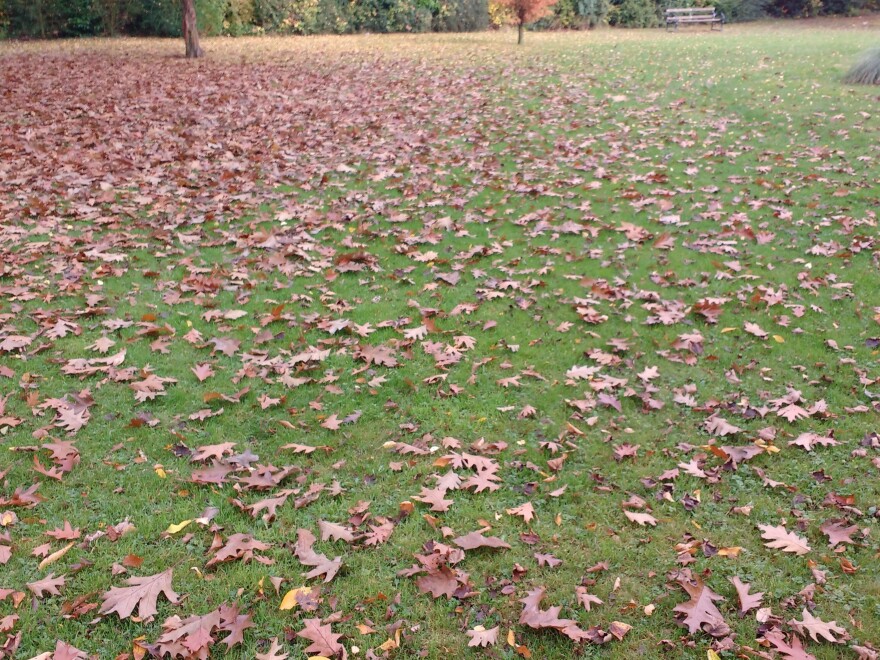
If you want to take your eco-friendly yard up a notch, dedicate a small corner of your yard as a leaf habitat zone. Pile up leaves under a tree or behind shrubs to create a mini sanctuary for overwintering insects, toads, and small birds.
Why it matters:
This leaf pile will decompose gradually, returning nutrients to the soil while providing refuge for wildlife. Come spring, you can use the composted material in your garden beds.
Bonus: It’s low-maintenance—no bagging, no hauling, just nature doing what it does best.
Final Thoughts: Work With Nature, Not Against It
Raking and bagging every leaf might make your yard look picture-perfect, but it also strips away one of the most beneficial resources nature gives us each year. Fallen leaves are part of an ancient cycle that sustains forests, gardens, and lawns alike.
Instead of viewing them as a nuisance, see them as free mulch, fertilizer, compost, and wildlife shelter—all rolled into one. With a little strategy and balance, you can keep your yard looking neat while letting nature do the heavy lifting.
So this fall, when you pick up your rake, think twice before bagging everything. Leave some leaves on the ground, shred others into mulch, and compost the rest. Your soil will grow richer, your plants will grow stronger, and your yard will thrive naturally—all without a single trip to the landfill.
Sometimes, the secret to a healthier garden is simply letting nature take the lead.