Planting trees is one of the most rewarding things a homeowner can do. Trees provide shade, increase property value, improve air quality, and bring beauty to any landscape. But when it comes to planting tall trees, especially near property lines, the decision is not as simple as digging a hole and dropping in a sapling.
While tall trees can add privacy, reduce noise, and create natural boundaries, they also raise concerns about root spread, falling branches, and potential conflicts with neighbors. So, should you plant tall trees near property lines? The answer depends on careful planning, local regulations, and respect for shared space.
Here’s a detailed look at the benefits, risks, and best practices for planting tall trees near your property line.
The Benefits of Planting Tall Trees Near Property Lines
1. Privacy and Screening
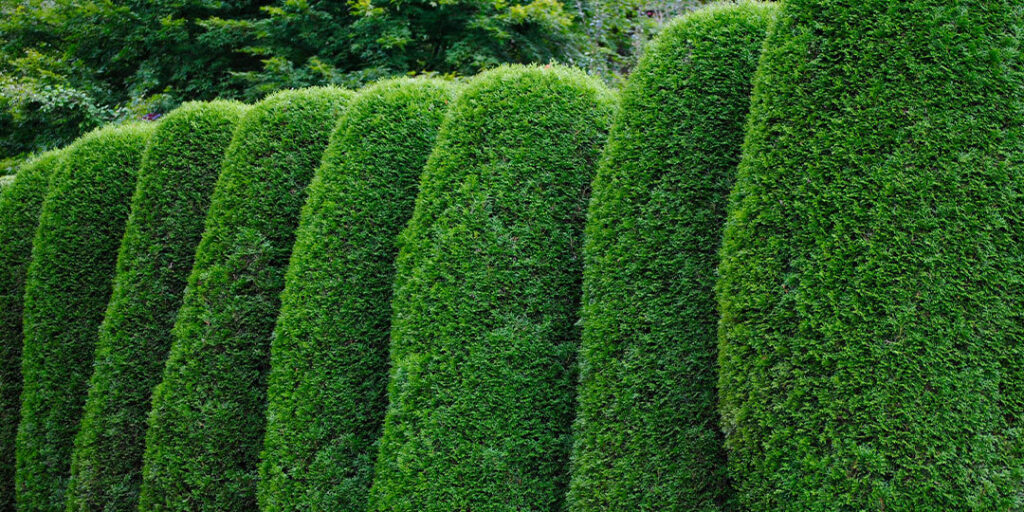
Tall trees are a natural alternative to fences or walls. They create a green screen that blocks the view of nearby houses, roads, or businesses. Unlike artificial barriers, they grow fuller and more beautiful over time.
- Evergreen trees like arborvitae, cedar, or spruce provide year-round privacy.
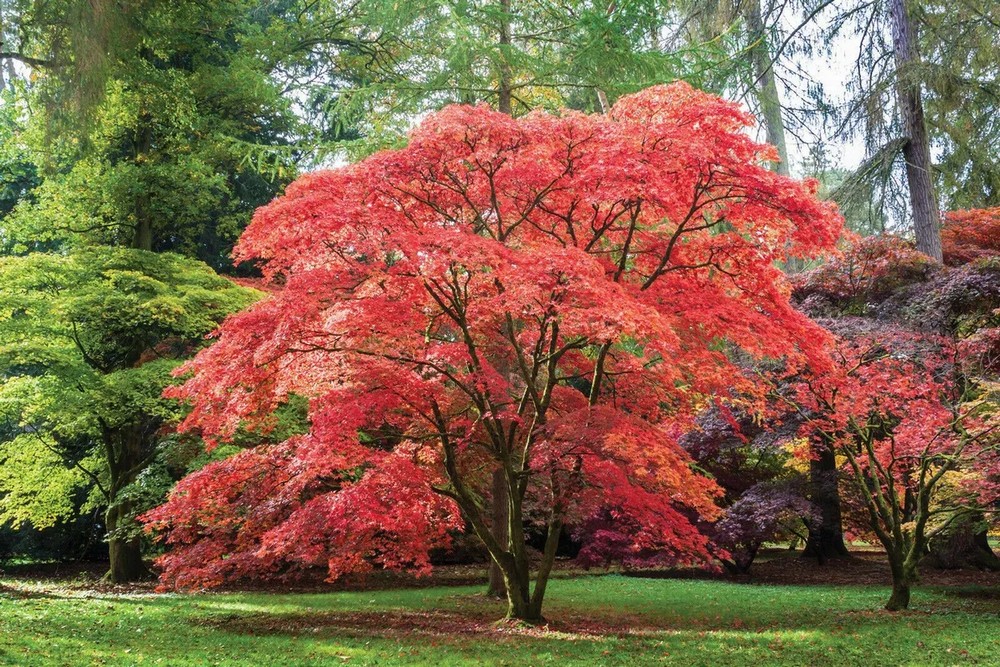
- Deciduous trees like maple or oak offer seasonal screening and a vibrant fall display.
2. Shade and Cooling
When positioned strategically, tall trees reduce sun exposure on your home and yard. This lowers cooling costs during hot months and makes outdoor spaces more comfortable.

- Trees near boundaries can shade driveways and patios shared with neighbors, increasing overall comfort.
3. Noise Reduction
Trees absorb sound and act as a buffer against road noise or loud neighbors. A row of tall trees can reduce decibel levels significantly, creating a calmer atmosphere.
4. Environmental Benefits
Planting tall trees improves biodiversity, attracts birds, and contributes to cleaner air. When planted along property lines, they help create green corridors for wildlife.
5. Aesthetic Appeal and Property Value
Tall trees add structure and vertical interest to your landscape. Studies consistently show that mature trees boost property value, making them a smart long-term investment.
The Risks of Planting Tall Trees Too Close to Property Lines
1. Root Encroachment
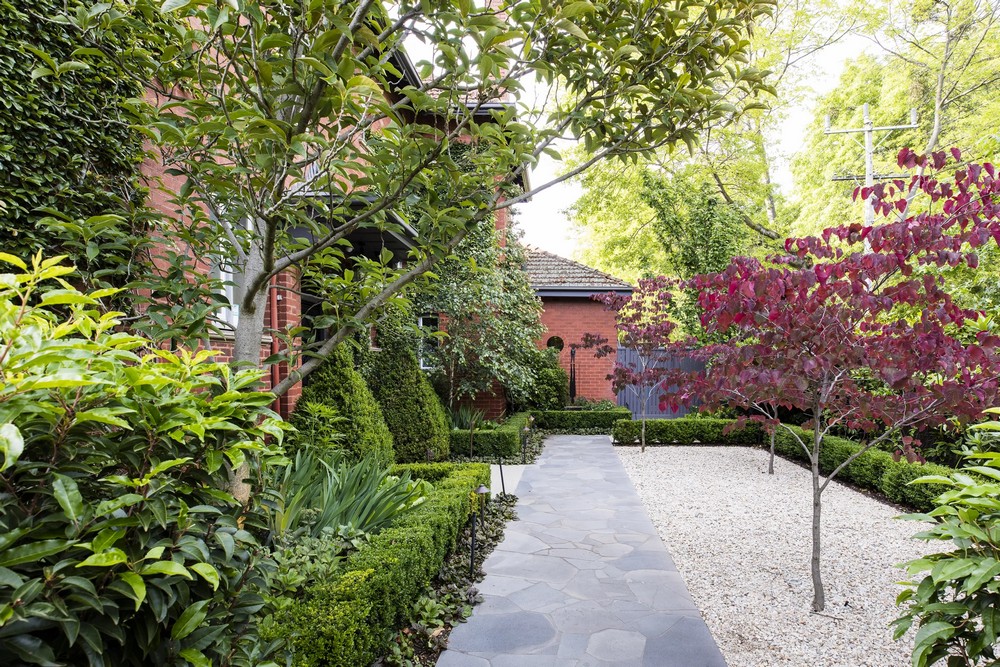
Tree roots don’t respect boundaries. They can spread far underground—often as wide as the tree’s canopy. Roots may invade your neighbor’s property, disrupting lawns, garden beds, or even damaging foundations, sidewalks, and driveways.
2. Falling Branches and Storm Damage
Tall trees pose a safety hazard during storms. Falling branches or an uprooted tree can cause serious damage to fences, roofs, or vehicles on either side of the property line.

3. Disputes with Neighbors
Perhaps the biggest concern isn’t the tree itself—it’s the potential for conflict. Neighbors may object to:
- Excessive shade on their yard or garden.
- Leaves and debris falling onto their property.
- Obstructed views or blocked sunlight.
Such issues can strain relationships and even lead to legal disputes.
4. Maintenance Challenges
Trimming and pruning tall trees often require professional help. If branches cross into your neighbor’s property, they may cut them back—sometimes in ways that harm the tree’s health or appearance.
5. Legal and Regulatory Issues
Many municipalities have laws governing how close trees can be planted to property lines, especially tall species. Violating these can result in fines or forced removal.
Best Practices for Planting Tall Trees Near Property Lines
If you love the idea of tall trees but want to avoid problems, follow these guidelines:

1. Choose the Right Tree Species
Select trees that fit your space and minimize risks.
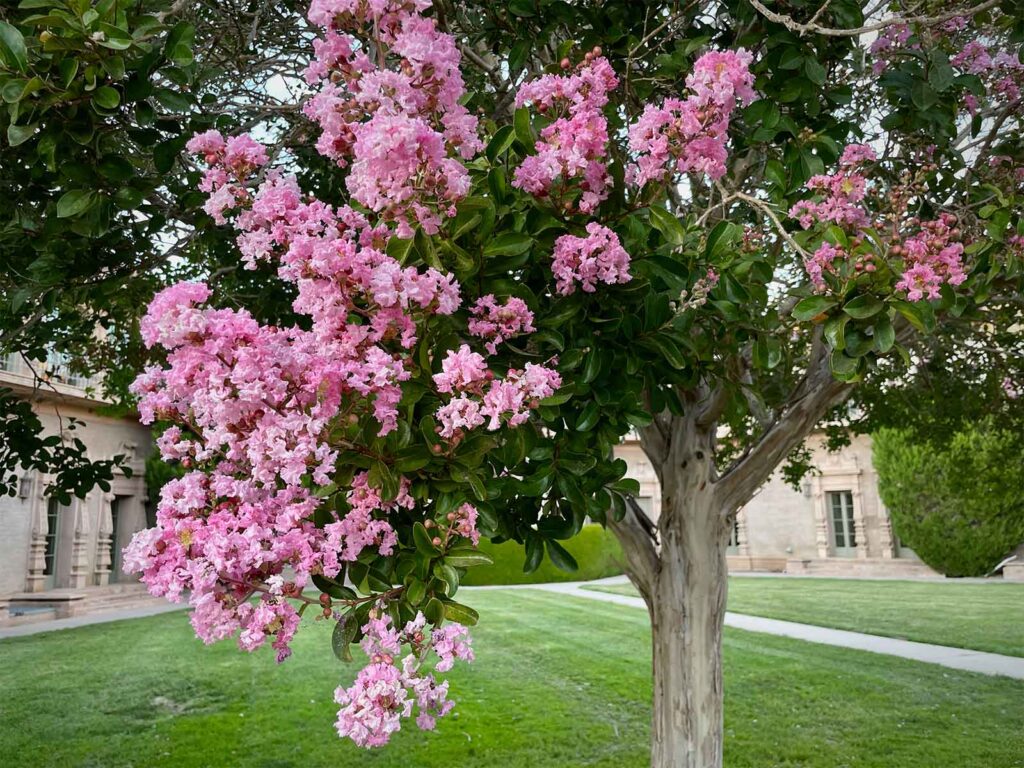
- Good choices: Dogwood, serviceberry, or ornamental magnolia—medium-sized trees with less aggressive roots.
- Caution with: Poplar, willow, silver maple—these species have invasive root systems.
- Consider evergreens for privacy but remember their year-round needle or cone drop.
2. Mind the Distance
As a general rule:
- Plant small trees (under 25 feet tall) at least 6–10 feet from the property line.
- Plant medium trees (25–40 feet tall) at least 10–20 feet away.
- Plant large trees (over 40 feet tall) at least 20–50 feet from the property line.
Always research the mature height and spread before planting.
3. Talk to Your Neighbors First
Good communication can prevent disputes later. Let them know your plans, especially if the tree will affect their view or shade their yard. A quick conversation often goes a long way toward building goodwill.
4. Check Local Regulations and HOAs
Contact your local zoning office or homeowners’ association before planting. Some areas restrict planting tall trees near boundaries or power lines.

5. Prioritize Maintenance
Plan for long-term care. Regular pruning, mulching, and watering keep trees healthy and reduce the risk of falling limbs. Hiring an arborist every few years for inspection is a worthwhile investment.
Alternatives to Tall Trees Right on the Property Line
If you’re hesitant about the risks but still want privacy and shade, consider these alternatives:
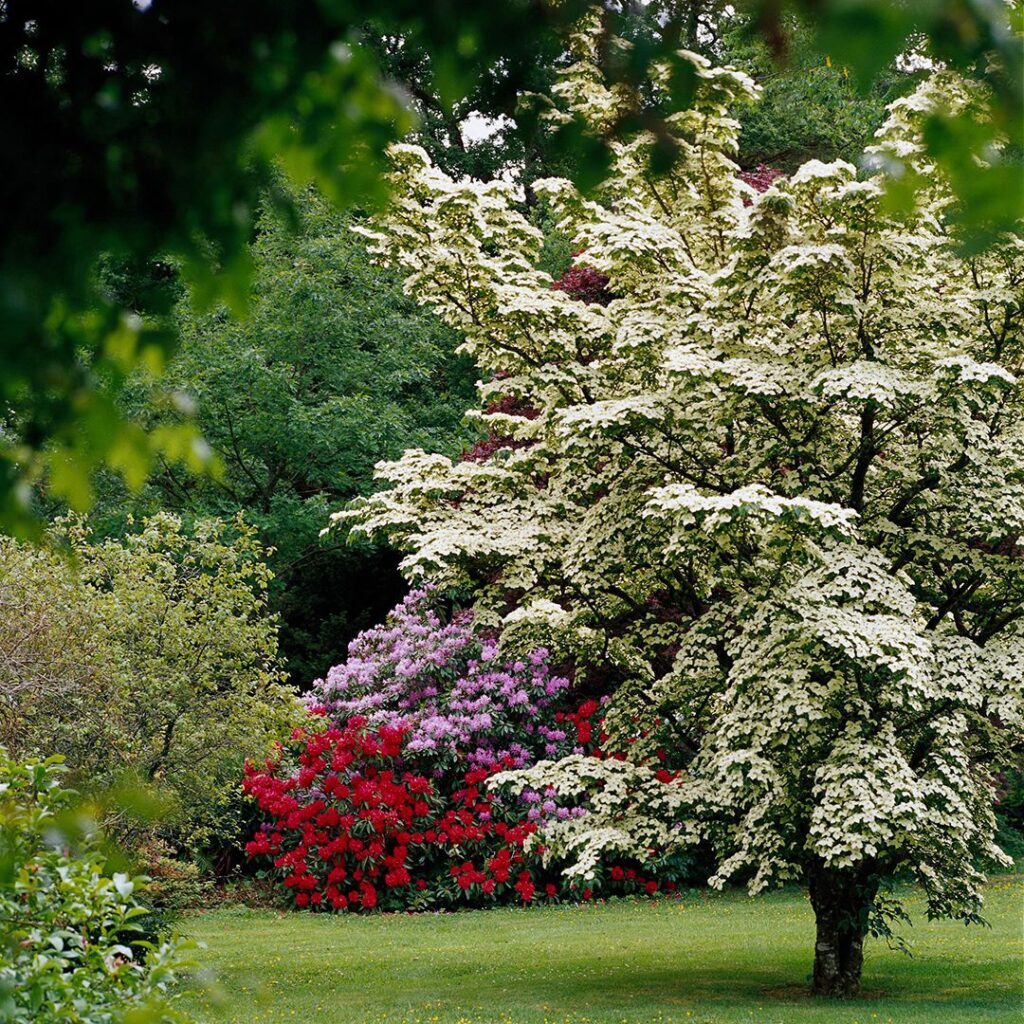
- Hedges and Shrubs: Dense hedges like boxwood or privet create a green barrier without the height risks.
- Trellises with Vines: Fast-growing vines such as clematis or jasmine provide vertical coverage with easier maintenance.
- Medium Trees in Clusters: Planting smaller trees in groups provides screening while minimizing root and branch issues.
- Set Trees Back: Plant trees further inside your property line and fill the border with shrubs or fencing for layered protection.
Handling Existing Trees Near Property Lines
What if tall trees are already planted close to the boundary?
- Trim branches responsibly: Stay within your property when cutting and avoid harming the tree’s structure.
- Address root issues: Install root barriers if roots are causing damage.
- Work with your neighbor: If a tree is shared, coordinate maintenance.
- Know your rights: Generally, you can trim branches or roots that cross onto your property—but laws vary by state or municipality.
Final Thoughts
So, should you plant tall trees near property lines? The answer is: it depends. Tall trees can offer incredible benefits—privacy, beauty, and shade—but they also come with risks of disputes, damage, and maintenance challenges.
If you decide to plant, choose species wisely, allow for adequate spacing, and maintain open communication with your neighbors. When done thoughtfully, tall trees can enhance not only your property but also the neighborhood’s overall landscape.

Planting trees is an investment in the future. By balancing your goals with practical considerations, you can enjoy the towering beauty of trees without creating lasting conflicts or hazards.