Weeds can quickly take over a yard, garden, or driveway, leaving homeowners scrambling for solutions. For many, spraying herbicides is the fastest way to get control. But before you grab that spray bottle or call a lawn service, one question often comes up: Should you tell your neighbors first?
This isn’t just about being polite—it’s about safety, community respect, and even legal responsibility. Let’s explore why notifying your neighbors before spraying for weeds might be the best choice and how to do it thoughtfully.
Why Communication Matters
1. Health and Safety Concerns
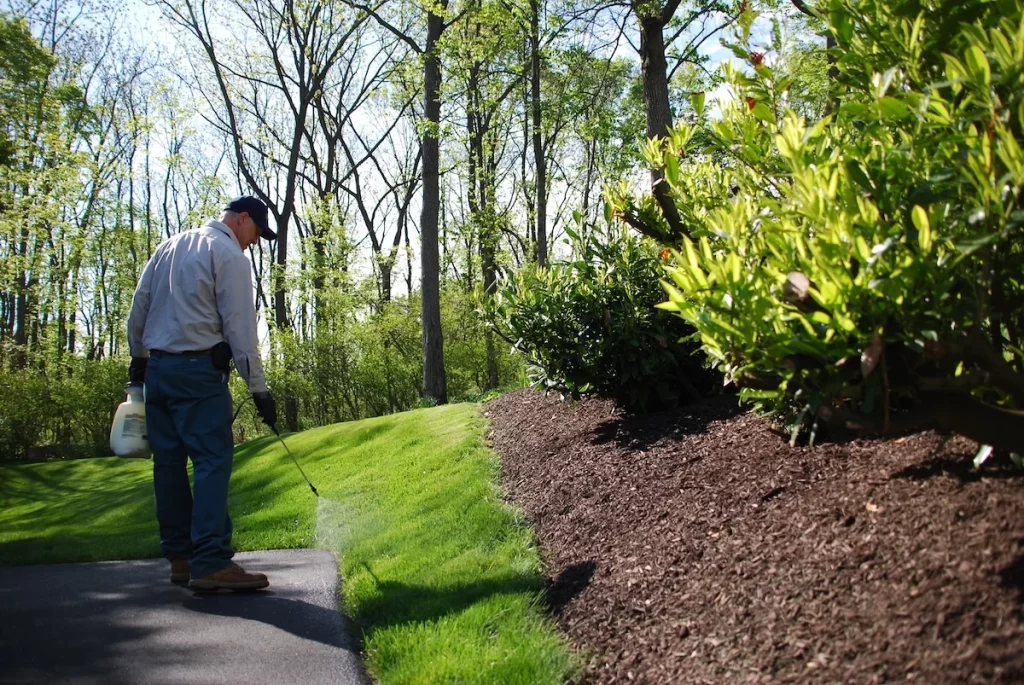
Many herbicides contain chemicals that can drift beyond your property line. Wind, water runoff, or even accidental overspray may expose neighbors, their children, or their pets. Some people have sensitivities, allergies, or health conditions that make chemical exposure risky.
By giving a heads-up, you allow neighbors to keep kids indoors, cover outdoor toys, or bring pets inside during spraying.

2. Respect for Shared Spaces
Weeds don’t stop at fences, and neither does spray drift. If you share a boundary garden, have overhanging plants, or live close to one another, your actions can directly affect your neighbor’s landscaping. A quick conversation helps avoid misunderstandings.
3. Building Good Relationships
Even if you’re within your rights to spray on your property, notifying your neighbors shows courtesy. It fosters trust and reduces the chance of disputes over damage, odors, or overspray. A five-minute chat can prevent weeks of tension.
4. Environmental Responsibility
Herbicides can impact pollinators, wildlife, and soil health. Neighbors who grow organic vegetables or maintain pollinator-friendly gardens may want to protect their space during spraying. Letting them know gives them a chance to cover or shield their plants.
Legal and HOA Considerations
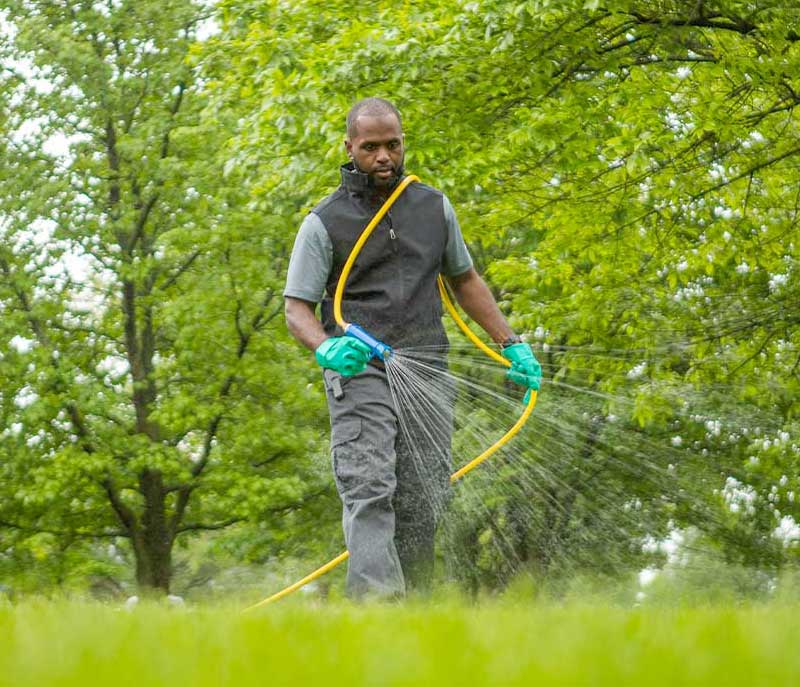
- Local Regulations: Some municipalities require posting signs after spraying or giving advance notice to adjacent property owners. Always check your local laws.
- HOA Rules: If you live in a neighborhood governed by a homeowners’ association, review the bylaws. Many HOAs regulate lawn care practices, including chemical applications.
- Professional Services: If you hire a lawn service, they may be legally obligated to place warning flags or provide notice to surrounding residents.
Failing to follow these rules could result in fines or liability if damage occurs.

How to Notify Your Neighbors
If you decide to tell your neighbors before spraying, here are a few simple approaches:
1. Face-to-Face Conversation
A quick knock on the door or chat over the fence works best. Be friendly and concise:
- Let them know when and where you’ll be spraying.
- Mention what type of product you’re using (chemical or natural).
- Offer reassurance that you’ll take steps to minimize drift.
2. Written Note or Text Message
If you don’t see your neighbor often, slip a polite note into their mailbox or send a message. Something as simple as:
“Hi, just letting you know I’ll be spraying for weeds in my yard this Saturday morning. Please keep pets inside until the area is dry. Thanks!”

3. Signs and Flags
If you prefer not to reach out directly, posting a small sign near your yard (“Weed control applied today—safe after dry”) communicates the same message to neighbors walking by.
Safe Spraying Practices to Minimize Neighbor Impact
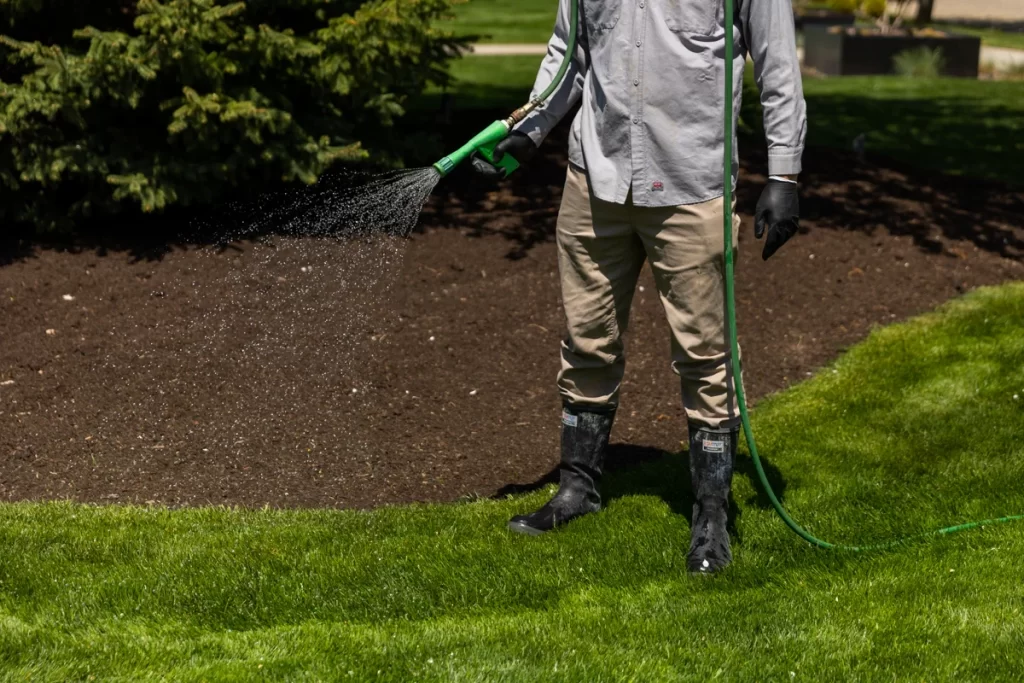
Even with notice, it’s your responsibility to spray responsibly.
- Check the weather: Avoid spraying on windy days or before rain. Drift and runoff are the biggest causes of neighbor complaints.
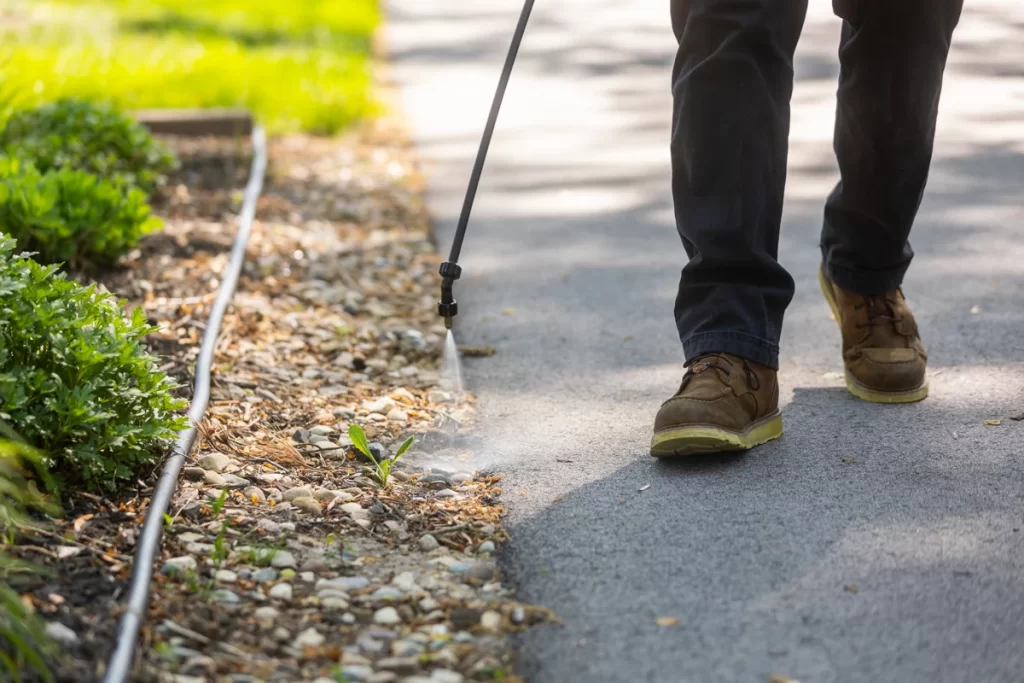
- Use targeted applications: Instead of blanket spraying, spot-treat weeds with a hand sprayer.
- Choose the right time: Early morning or late evening reduces drift and prevents exposure during high-traffic times.
- Opt for low-toxicity or organic options: Vinegar-based herbicides, boiling water, or mulching can control weeds without chemical risks.
- Clean equipment properly: Prevent drips or spills from reaching shared spaces.
Alternatives to Spraying That Keep Peace with Neighbors
If you’d rather avoid the conversation altogether, try natural or manual weed-control options:
- Hand weeding: Old-fashioned, but effective for small patches.
- Mulching: Blocks weed growth while improving soil health.
- Corn gluten meal: A natural pre-emergent herbicide that prevents new weeds.
- Boiling water or flame weeding: Spot-kill weeds without chemicals.
- Landscape fabric: Long-term suppression solution for garden beds.
These methods eliminate concerns about drift or exposure, and your neighbors will likely appreciate your eco-conscious approach.

Common Scenarios and Best Practices
- Urban/Suburban Neighborhoods
Homes are often close together, so notifying neighbors is highly recommended. Even a short spray session could affect nearby patios, toys, or vegetable patches. - Rural Properties
If you have wide acreage with space between houses, notice may be less critical—but still considerate if livestock, gardens, or children are nearby. - Shared Fences or Gardens
Always notify if spraying near a shared property line. Overspray can easily damage your neighbor’s landscaping, and you could be held liable. - Community Gardens
If spraying is allowed (some forbid chemicals), notice is usually mandatory. Many gardeners are strongly opposed to herbicides.
What Happens If You Don’t Tell Your Neighbors?
- Conflict: Uninformed neighbors may be upset if they smell chemicals or find residue on their plants.
- Damage Claims: If overspray harms their garden, you could be asked to compensate.
- Loss of Trust: Neighbors may avoid cooperating with you in the future, whether it’s about property lines, fence repairs, or shared concerns.
- Legal Issues: In areas with notification laws, you could face penalties.
The Bottom Line
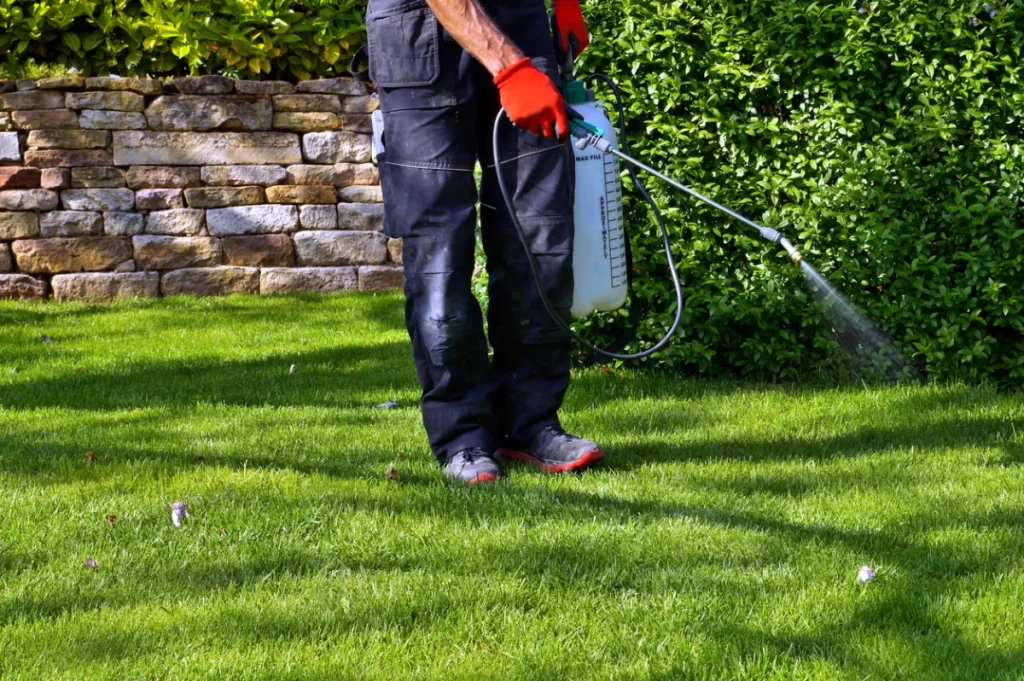
So—should you tell your neighbors before spraying for weeds?
While it’s not always legally required, the answer is usually yes. A quick conversation or note demonstrates respect, reduces risks, and strengthens neighborly goodwill. It also helps protect pets, kids, and gardens from unintended exposure.
Combine notification with safe spraying practices—like avoiding windy days and using targeted applications—and you’ll avoid most problems altogether. Better yet, explore natural weed-control alternatives that require no notice at all.
At the end of the day, good gardening isn’t just about plants—it’s also about community. By being open and considerate, you ensure your yard looks great without ruffling feathers next door.