Whether you live in a storm-prone region or simply experience seasonal gusts, strong winds can wreak havoc on your outdoor space. From uprooted plants to flying patio furniture, high winds not only damage your landscaping but can also create dangerous projectiles that threaten your home and family.
The good news? With a bit of planning and smart design, you can protect your yard while maintaining its beauty. Here are five effective ways to secure your yard against strong winds, along with detailed tips for each.
1. Install Windbreaks for Natural Protection

One of the most effective long-term strategies for managing strong winds is creating windbreaks. These barriers reduce wind speed before it hits your yard, protecting plants, soil, and structures.

Options for Windbreaks:
- Trees and Shrubs: Planting a row of dense evergreens (like arborvitae, spruce, or holly) along the perimeter of your yard can act as a living wind barrier. Layering smaller shrubs in front increases effectiveness.
- Hedges: Boxwood or privet hedges not only look attractive but also absorb wind.
- Fencing with Gaps: Solid fences often create turbulence that can make damage worse. Instead, choose slatted or lattice-style fences that allow some airflow while reducing wind intensity.
Pro Tips:
- Plant windbreaks perpendicular to the prevailing wind direction for maximum impact.
- Leave small gaps between plants or slats to reduce turbulence.
- Consider planting in staggered rows for added strength.
Windbreaks may take time to establish, but they provide sustainable, natural protection while enhancing your landscape design.
2. Anchor Outdoor Structures and Furniture

Strong winds turn lightweight items into dangerous projectiles. Securing everything in your yard is essential for safety.
Key Areas to Address:
- Patio Furniture: Use heavy-duty ties, bungee cords, or furniture anchors to secure chairs, tables, and loungers. Choose weighted bases for umbrellas or bring them inside when not in use.
- Grills and Outdoor Kitchens: Anchor grills with straps or store them in a sheltered area before storms.
- Play Equipment: Secure swing sets, trampolines, and slides with ground anchors.
- Garden Sheds and Greenhouses: Reinforce lightweight structures with anchor kits or concrete footings to prevent shifting.
Storage Options:
- Store smaller items (like cushions, tools, and décor) in waterproof storage boxes.
- Move lightweight pots and accessories into a garage or shed before high winds arrive.
By anchoring and storing properly, you prevent damage to your yard—and keep your neighbors safe from flying debris.

3. Protect and Support Plants
Plants are often the first casualties of strong winds. Tall, top-heavy, or newly planted specimens are especially vulnerable, but a few preventive measures can make a big difference.
Plant Protection Strategies:
- Staking and Tying: Secure young trees and tall perennials with sturdy stakes and soft ties. Avoid tying too tightly, as this can restrict growth.
- Cages and Frames: Tomato cages, trellises, or custom frames provide extra support for fragile stems.
- Mulching: Apply a thick layer of mulch around the base of plants to protect roots from wind erosion and moisture loss.
- Pruning: Remove weak or dead branches to reduce breakage during storms. Light thinning of dense trees also allows wind to pass through rather than toppling the whole plant.
Pro Tip:
When planting new trees, choose wind-resistant varieties like oak, ginkgo, or juniper. Their deep root systems and flexible branches withstand gusts better than shallow-rooted species.
4. Use Hardscaping Wisely

Strategic hardscaping not only beautifies your outdoor space but also strengthens it against wind damage.

Best Hardscape Elements:
- Retaining Walls: These protect soil from erosion on sloped areas, preventing landslides during storms.
- Stone Pathways or Gravel Beds: Heavier materials resist being scattered by winds compared to lightweight mulches.
- Pergolas and Arbors: When securely anchored, these structures break up wind flow while providing shade.
- Raised Beds with Borders: Using stone, brick, or wood frames around raised beds prevents soil loss while protecting vegetables and flowers.
Avoid:
- Loose gravel without edging, which can scatter in high winds.
- Lightweight décor (like plastic planters) that can topple or blow away.
By incorporating wind-smart hardscaping, you create a sturdier yard that blends practicality with design.
5. Plan for Emergency Preparedness

Even with the best preventative measures, storms can bring unexpected gusts. Being prepared ensures you can act quickly when the forecast calls for high winds.
Action Steps:
- Monitor Weather Reports: Use a reliable weather app or alert system to get updates before storms hit.
- Create a “Wind Prep” Checklist: Include tasks like securing furniture, covering plants, and closing sheds.
- Invest in Emergency Supplies: Keep extra tarps, bungee cords, and sandbags on hand for last-minute reinforcement.
- Designate Storage Space: Clear out a section in your garage or basement to store yard items during storm season.
- Routine Inspections: Regularly check fences, sheds, and trees for weak spots that could worsen in high winds.
Taking a proactive approach reduces panic when severe weather rolls in.

Bonus: Eco-Friendly Wind Protection Options
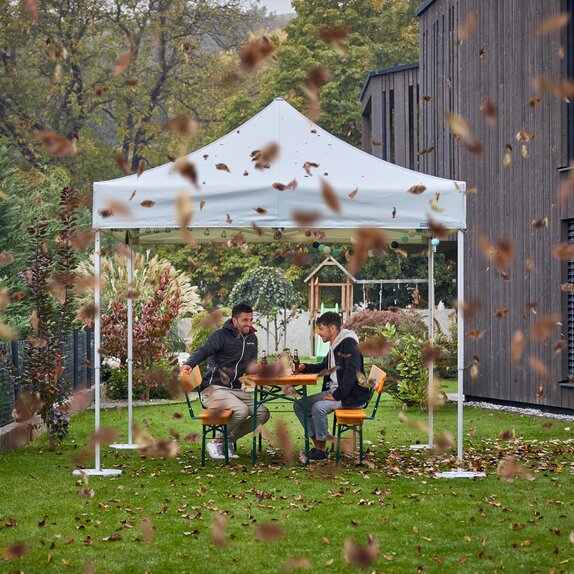
If you want to secure your yard while keeping sustainability in mind:
- Plant native shrubs and trees that support local wildlife while acting as windbreaks.
- Use reclaimed wood or bamboo for fencing and trellises.
- Opt for biodegradable ties and stakes for securing plants.
These eco-conscious choices protect your yard and the environment at the same time.
Final Thoughts
Strong winds can transform a beautiful yard into chaos, but with preparation and smart design, you can greatly reduce the risk of damage. By combining windbreaks, secure anchoring, plant support, hardscaping, and emergency planning, you’ll create an outdoor space that not only withstands storms but continues to thrive year-round.

Protecting your yard against wind isn’t just about safety—it’s also about peace of mind. With these five strategies in place, you’ll enjoy your outdoor space with confidence, no matter how hard the wind blows.