Rodents like mice and rats are more than a nuisance—they can damage gardens, spread diseases, and even chew through wiring in sheds or garages. While traps and poisons are common control methods, many homeowners and gardeners prefer natural approaches that keep rodents at bay without harmful chemicals. One of the easiest strategies is to grow plants that rodents dislike.
Certain herbs, flowers, and shrubs emit strong scents or contain compounds that naturally deter rodents. By planting them strategically around your home, garden beds, or entry points, you can create a barrier that helps keep pests away.
Here are seven plants experts recommend for repelling rodents naturally.

1. Peppermint (Mentha × piperita)
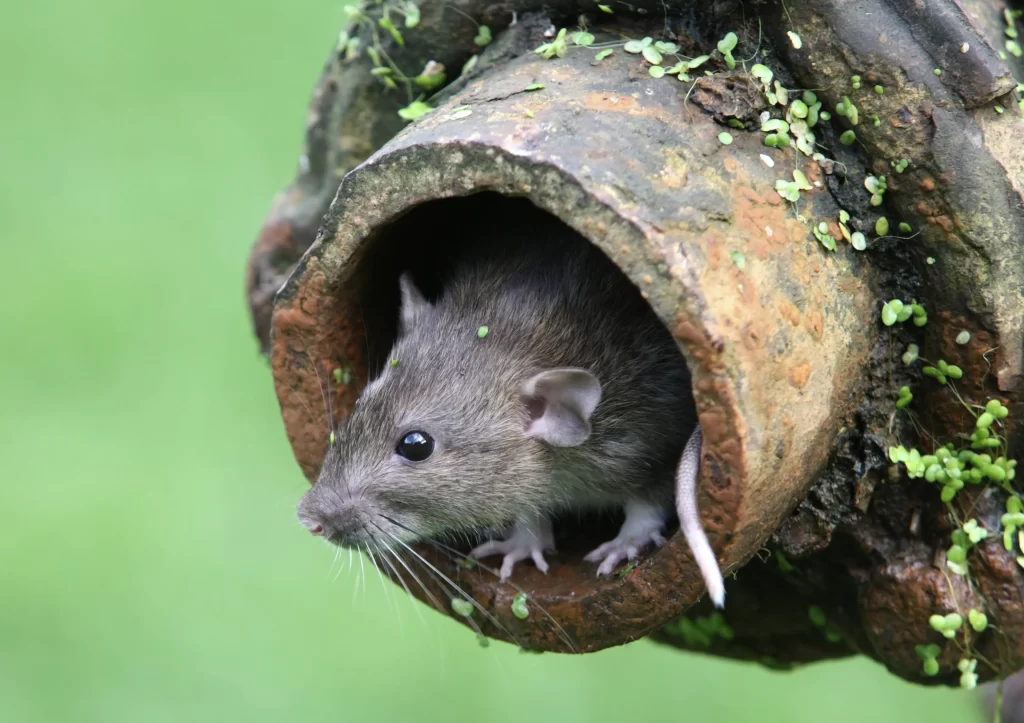
Peppermint is perhaps the most well-known natural rodent deterrent. Its strong menthol aroma overwhelms rodents’ sensitive noses and masks the food scents that attract them.
- How it works: The essential oils in peppermint act as a natural irritant for rodents.
- Where to plant: Near doors, garden beds, and along foundations. You can also grow it in pots indoors.
- Extra tip: Crush fresh leaves or use peppermint oil-soaked cotton balls in problem areas for stronger results.
2. Lavender (Lavandula spp.)
Beloved for its calming fragrance in human spaces, lavender is despised by rodents. Its strong floral oils not only repel mice and rats but also discourage moths and flies.
- How it works: The smell interferes with rodents’ ability to detect food sources.
- Where to plant: Along walkways, near garden sheds, or in window boxes.
- Bonus: Lavender attracts pollinators while deterring unwanted pests.
3. Marigolds (Tagetes spp.)
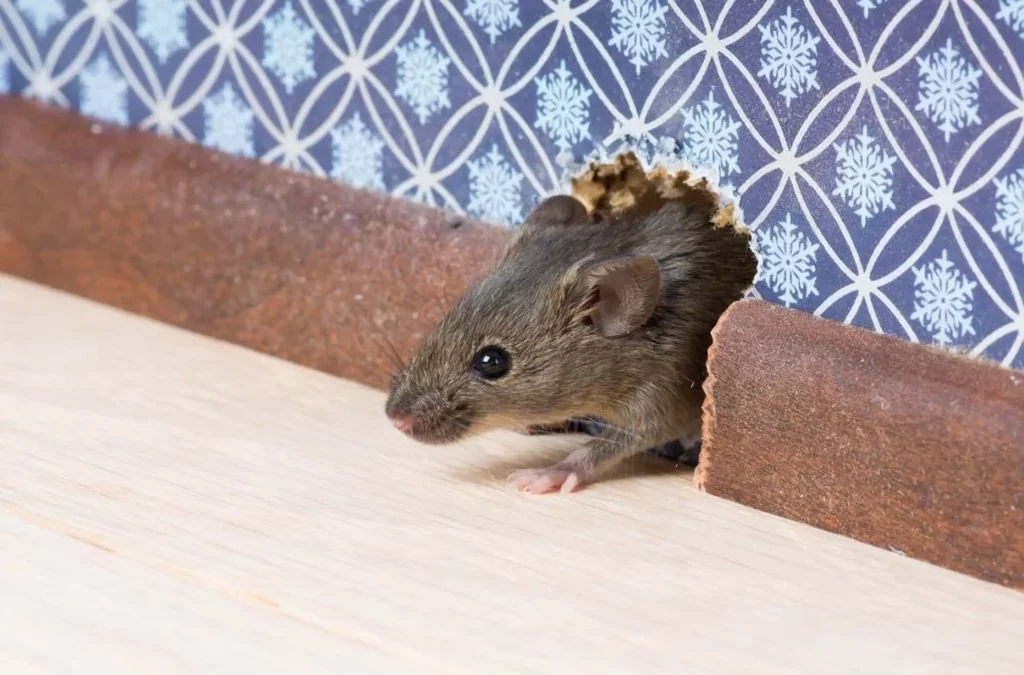
These cheerful, golden blooms do more than brighten your garden—they also repel rodents, rabbits, and certain insects.

- How it works: Marigolds contain compounds like limonene and thiophenes, which have pest-repelling properties.
- Where to plant: Around vegetable gardens and garden borders as a natural protective barrier.
- Extra tip: Their scent is strongest when planted in clusters.
4. Daffodils (Narcissus spp.)
Daffodils are toxic to rodents and many other animals. Their bulbs contain alkaloids that are poisonous if ingested, making them an effective deterrent.
- How it works: Rodents instinctively avoid eating or digging around daffodils.
- Where to plant: Along property borders, near bulbs that rodents typically attack (like tulips), or around garden beds.
- Note: While great for rodent control, keep daffodils away from pets who might nibble on plants.
5. Rosemary (Salvia rosmarinus)
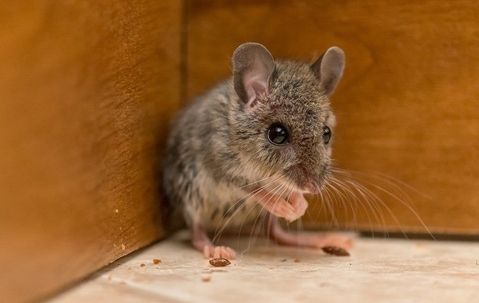
This hardy, evergreen herb is both a culinary favorite and a natural rodent repellent. Its pine-like fragrance is unpleasant to rodents and insects.
- How it works: The strong essential oils in rosemary deter rodents and mask food odors.
- Where to plant: In herb gardens, pots by entrances, or as a small hedge around vegetable beds.
- Bonus: Rosemary thrives in hot, dry conditions and doubles as a flavorful kitchen herb.
6. Garlic (Allium sativum)
Garlic is another natural powerhouse against rodents. Its sulfur compounds and pungent odor repel not only rodents but also deer, insects, and even some fungal diseases.

- How it works: When garlic cloves or leaves are crushed, they release allicin—a strong-smelling compound rodents avoid.
- Where to plant: In vegetable gardens and borders, especially near crops prone to rodent damage.
- Extra tip: Spraying a garlic-water solution on problem areas can boost protection.
7. Onions (Allium cepa)
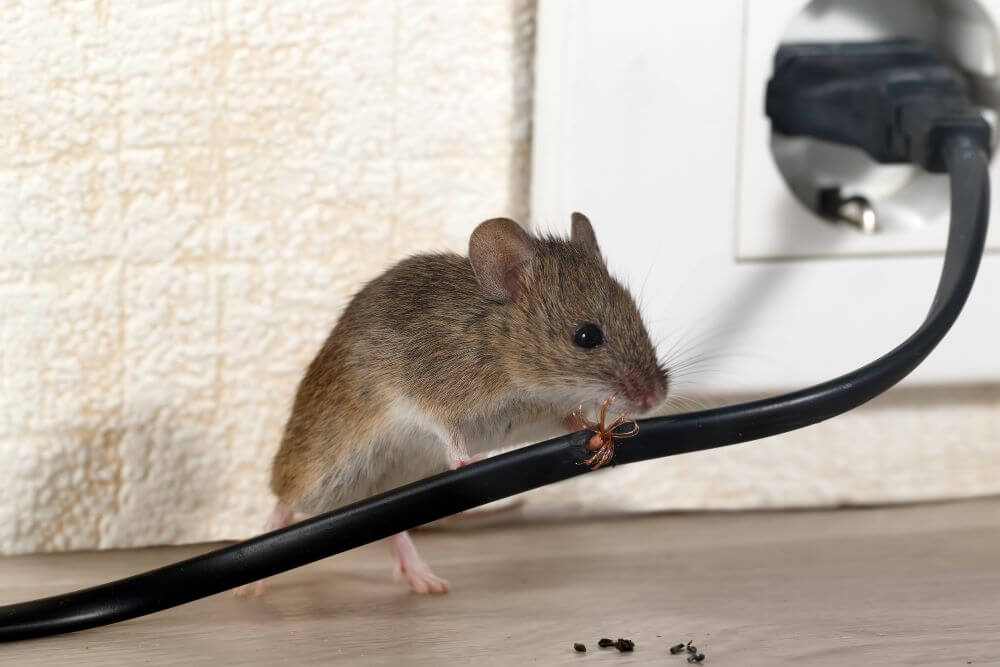
Closely related to garlic, onions share the same rodent-repelling qualities thanks to their strong odor and sulfur compounds.
- How it works: The intense smell disrupts rodents’ hunting and foraging patterns.
- Where to plant: In rows near root vegetables, raised beds, or borders.
- Note: Like daffodils, onions are toxic to pets, so use caution in pet-friendly spaces.
How to Use These Plants Effectively
Planting these species is most effective when done strategically:
- Create barriers: Surround vegetable gardens or compost areas with a border of rodent-repelling plants.
- Mix and match: Combining multiple repellent plants enhances the effect and adds biodiversity.
- Use containers: For patios or entryways, potted peppermint, rosemary, or lavender can act as portable deterrents.
- Combine with good practices: Seal gaps in foundations, store food properly, and keep outdoor spaces tidy to reduce rodent attraction.
Final Thoughts
While no single plant is a complete solution to rodent problems, incorporating these seven natural repellents into your garden can help reduce rodent activity significantly. Think of them as part of a larger strategy—along with cleanliness, sealing entry points, and removing food sources—to keep your home and garden rodent-free.
The best part? These plants not only keep pests at bay but also add beauty, fragrance, and culinary uses to your space. With peppermint, lavender, marigolds, daffodils, rosemary, garlic, and onions on your side, you’ll enjoy a healthier, more vibrant garden—without the unwelcome company of rodents.