As summer fades and temperatures cool, your lawn begins preparing for its long winter nap. While it may look like growth is slowing down, there’s actually a lot happening beneath the surface. Grass roots are still busy absorbing nutrients and storing energy for the months ahead. That’s why fall is one of the most important times to fertilize your lawn—the nutrients you apply now will determine how strong and vibrant your grass looks when spring returns.
Applying the right fall fertilizer gives your lawn a final boost before dormancy, helping it recover from summer stress and build deep roots that fuel early spring growth. But not all fertilizers are created equal, and choosing the wrong one—or applying it too late—can do more harm than good.
Here’s everything you need to know about selecting the best fall fertilizers for strong spring growth, when to apply them, and how to get the most out of every nutrient you spread.
Why Fall Fertilization Matters
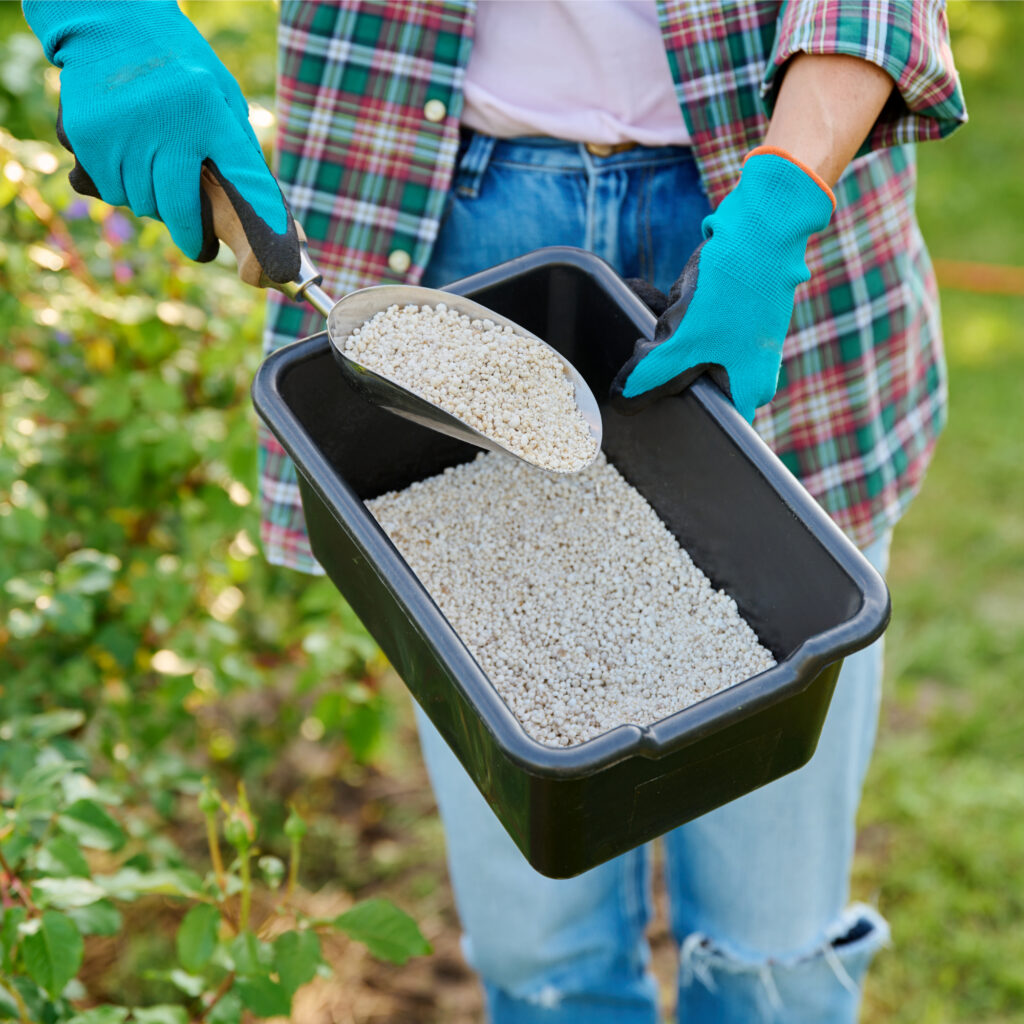
Think of fall fertilizing as your lawn’s “end-of-season tune-up.” During summer, grass endures heat, drought, and heavy use—all of which deplete nutrients in the soil. Fertilizing in fall replenishes these nutrients and strengthens root systems before winter.
The benefits of fall fertilization include:
- Stronger root growth: Cooler soil temperatures encourage roots to grow deep and wide, storing nutrients for spring.
- Better winter hardiness: Well-fed roots help your lawn resist cold damage and disease.
- Greener, faster spring recovery: The stored nutrients act like a built-in fertilizer that kicks in when the ground warms.
- Fewer weeds and bare patches: Healthy grass outcompetes early weeds before they take hold.
When done correctly, fall fertilization sets your lawn up to stay greener longer and bounce back faster when the snow melts.

Understanding the N-P-K Ratio
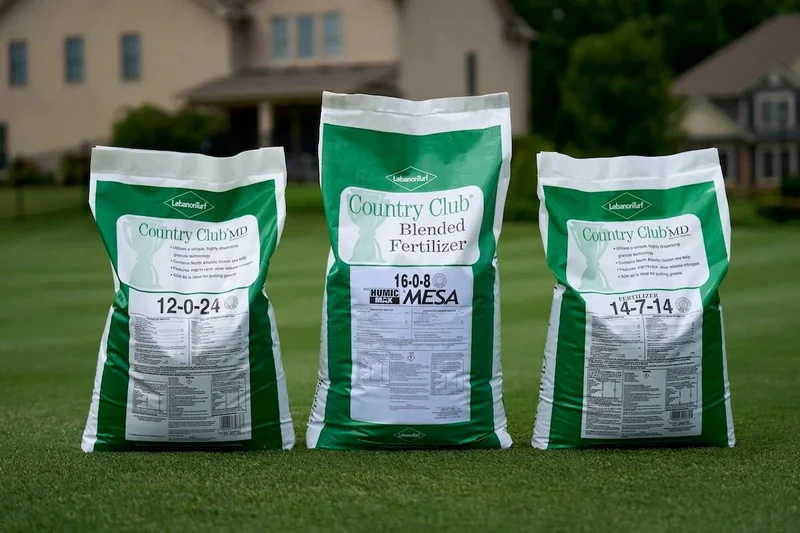
Every fertilizer label lists three numbers—something like 24-0-10. These represent the percentages of nitrogen (N), phosphorus (P), and potassium (K). Each plays a different role:
- Nitrogen (N): Promotes green color and leafy growth.
- Phosphorus (P): Supports root and seed development.
- Potassium (K): Enhances stress tolerance, disease resistance, and overall plant health.
For fall, the goal isn’t to push leafy growth but to build roots and resilience. That’s why high-nitrogen fertilizers are not ideal this time of year. Instead, look for formulas lower in nitrogen and higher in potassium, such as 8-12-16, 10-20-20, or 12-25-10. These blends encourage energy storage and prepare grass to handle winter stress.
The Two-Step Fall Fertilizer Approach
For the best results, most lawn care experts recommend a two-step fertilization program in fall:
- Early Fall Feeding (September–October):
Use a balanced fertilizer (like 20-8-10 or 16-4-8) to help the lawn recover from summer stress. This provides nitrogen for moderate top growth and phosphorus for strong root development. - Late Fall or “Winterizer” Feeding (Late October–November):
Apply a winterizing fertilizer high in potassium and low in nitrogen (around 8-0-20 or 10-5-20). This strengthens the lawn’s cellular structure and improves its cold tolerance.
If you can only apply one fertilizer, choose the late fall winterizer—it’s the most crucial for long-term health and spring recovery.
The Best Fertilizers for Fall Application
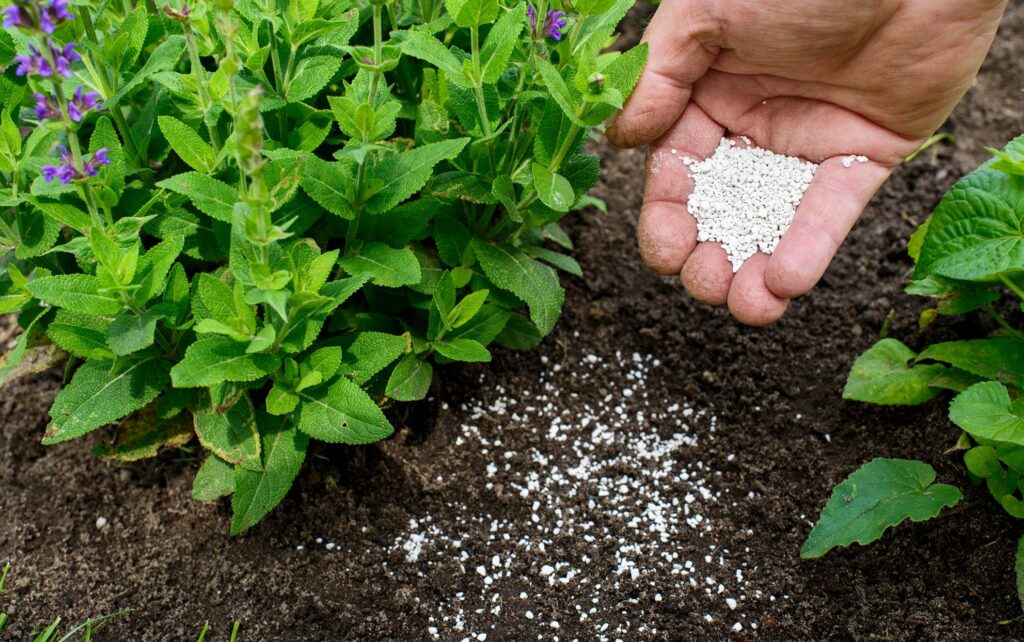
Let’s explore some of the top fertilizer options that deliver reliable results for fall feeding.
1. Slow-Release Nitrogen Fertilizers
Slow-release or “controlled-release” fertilizers feed your lawn gradually over several weeks. This prevents nutrient runoff and reduces the risk of burning the grass.

Best for: Homeowners who want long-lasting nutrition with minimal maintenance.
Recommended products: Fertilizers labeled as “slow-release,” “poly-coated,” or containing urea-form nitrogen.
Example: A 24-0-10 slow-release blend gives your lawn steady feeding for up to eight weeks, ideal for early fall.
2. Organic Fall Fertilizers
Organic options—like compost, bone meal, or natural blends—improve soil health while feeding your lawn gently. They release nutrients slowly and increase microbial activity, which enhances long-term soil structure.
Best for: Environmentally conscious gardeners or those maintaining organic lawns.
Popular ingredients: Compost, alfalfa meal, seaweed, feather meal, or poultry-based blends.
Example: Milorganite or Espoma Organic Lawn Food are great low-nitrogen choices that won’t cause rapid growth but still strengthen roots.
3. High-Potassium “Winterizer” Fertilizers
Potassium is the star of the fall season—it helps grass resist drought, cold, and disease. “Winterizer” fertilizers are specifically formulated for late fall use.

Best for: Cool-season grasses (like fescue, bluegrass, and rye) that stay semi-active in cooler weather.
Example: Scotts Turf Builder WinterGuard Fall Lawn Food (32-0-10) or Pennington Winterizer (22-0-14).
These promote stronger roots and greener color early next spring.
4. Phosphorus-Boosted Starter Fertilizers (For New Lawns or Repairs)
If you’ve recently seeded or repaired bare patches, use a starter fertilizer that contains extra phosphorus. This nutrient is vital for establishing new roots quickly before winter arrives.
Example: A 12-25-10 or 10-20-20 blend ensures new seedlings build a healthy foundation before frost.
When to Apply Fall Fertilizer
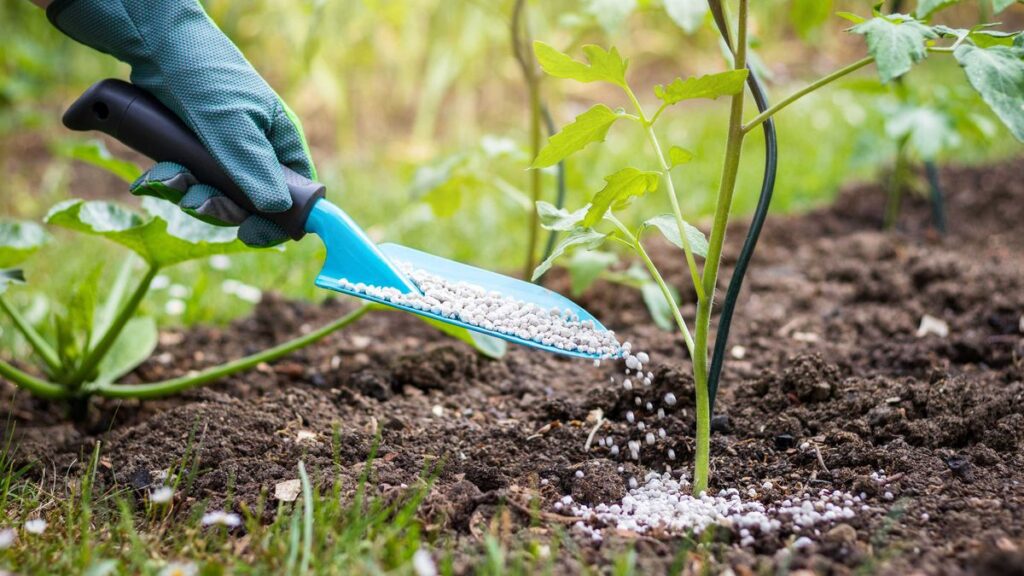
Timing is critical for fall fertilization. Apply while the soil is still warm (above 50°F) but before the ground freezes—typically 6–8 weeks before the first hard frost in your area.
For most regions:
- Northern areas: Mid-September to early November
- Southern areas: October to December
Avoid fertilizing too late in the season, as the nutrients won’t have time to absorb before dormancy. Fertilizing frozen ground wastes product and can cause runoff into waterways.
How to Apply Fall Fertilizer Correctly
- Mow your lawn first – Trim grass to a moderate height (about 2.5–3 inches) so fertilizer reaches the soil evenly.
- Rake or dethatch – Remove leaves and debris to allow nutrients to penetrate.
- Apply evenly – Use a broadcast or drop spreader for uniform distribution. Follow the manufacturer’s recommended spread rate.
- Water thoroughly – Lightly water the lawn after application to help dissolve granules and carry nutrients into the root zone.
- Avoid heavy watering or rain right after application – Excess water can cause runoff or wash fertilizer away.
Pro tip: Mark your lawn’s boundaries with flags or stakes before fertilizing to prevent overlap and uneven feeding.
Choosing Fertilizer for Your Grass Type
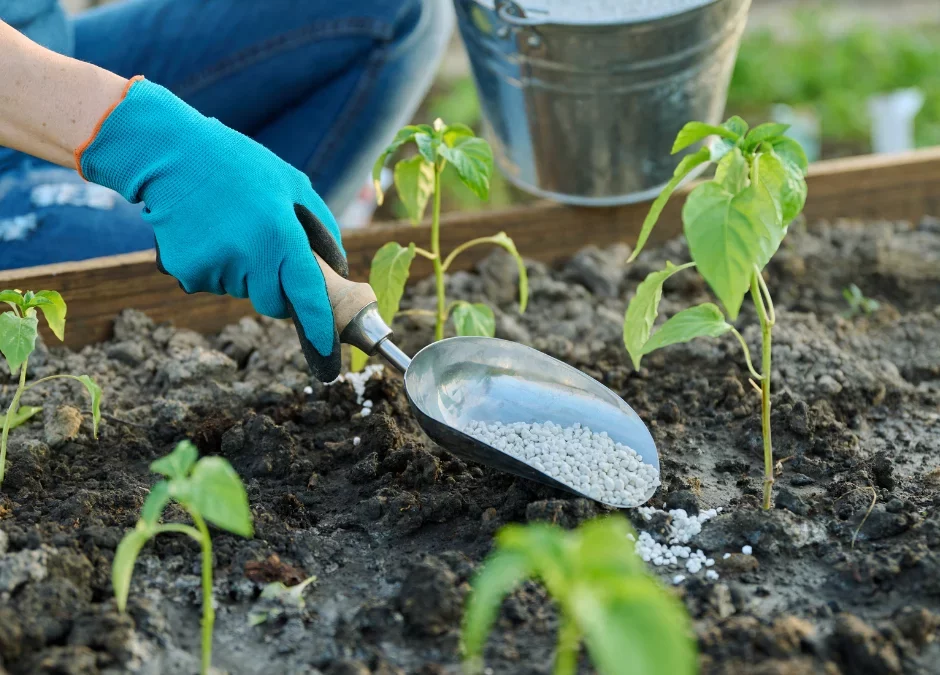
Different grass types have different nutrient needs, especially in fall. Here’s a quick guide:
| Grass Type | Fertilizer Type | Ideal Timing |
|---|---|---|
| Kentucky Bluegrass | High potassium, moderate nitrogen | September–October |
| Tall Fescue | Balanced, slow-release formula | September–October |
| Perennial Ryegrass | Balanced or winterizer | Late October |
| Bermuda | Low-nitrogen, high-potassium | October–November |
| Zoysia | Slow-release, potassium-rich | Early November |
For warm-season lawns, be cautious: avoid high-nitrogen fertilizers late in fall, as they can promote tender growth that winter frost will damage.
Common Fall Fertilizing Mistakes to Avoid
Even the best fertilizer won’t help if applied incorrectly. Avoid these common pitfalls:
- Applying too much: Over-fertilizing burns roots and leads to weak spring growth.
- Using high-nitrogen blends late in fall: Encourages top growth that frost kills.
- Skipping watering: Dry soil prevents nutrients from absorbing properly.
- Fertilizing frozen ground: Wastes product and harms the environment.
- Ignoring pH levels: Acidic soil locks up nutrients—test and adjust with lime if needed.
Bonus Tip: Test Your Soil Before You Fertilize
If you haven’t tested your soil in the past two years, fall is the perfect time. A soil test reveals your yard’s pH and nutrient balance, helping you choose the right fertilizer blend. Most local extension offices or garden centers can analyze your soil for a small fee.
This small step ensures you’re feeding your lawn what it truly needs—not just guessing.
Final Thoughts
A strong, vibrant spring lawn begins with smart fall fertilization. By choosing the right product, applying it at the right time, and focusing on root health instead of quick growth, you’re setting your lawn up for long-term success.
Think of it this way: spring color starts with fall care. The nutrients you give your lawn now will power deep roots, rich green blades, and fewer weeds when the snow melts. So grab your spreader, pick the right fertilizer, and feed your lawn before the ground freezes.
Come spring, you’ll be rewarded with the lush, healthy grass your neighbors will envy.