Propagating lemon trees at home is one of the most exciting and rewarding gardening projects—especially when you use an all-natural rooting booster like aloe vera. Gardeners around the world swear by aloe vera gel for rooting cuttings because it works as a natural hormone, protects the cutting from fungal infections, and helps roots develop faster and stronger.
If you want an easy, chemical-free, beginner-friendly method that promises near 100% success, then propagating lemon tree cuttings with aloe vera is the perfect technique for you.
This guide will walk you through every step—from selecting the perfect cutting to planting and caring for your new lemon plant. Let’s begin!
Why Propagate Lemon Trees from Cuttings?
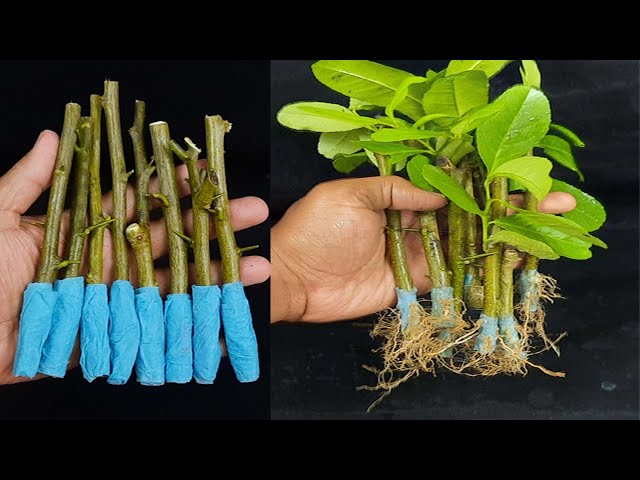
Growing lemon trees from cuttings has several major advantages:
Faster fruiting
Cutting-grown trees can fruit in 2–3 years, while seed-grown trees take 4–7 years.
Same qualities as the parent plant
Flavor, seedlessness (if any), resistance—everything is identical.
Reliable and beginner-friendly
No grafting or special skills required.
Perfect for home gardeners
You can grow them in pots, terraces, balconies, or small gardens.
Now let’s see why aloe vera makes this method even more powerful.
Why Use Aloe Vera for Rooting Lemon Cuttings?
Aloe vera is a natural miracle for plant propagation. It contains:
Auxins (natural rooting hormones)
They trigger root cell development.
Antifungal & antibacterial properties
Prevents rot, stem decay, and infections.
Moisture retention
Keeps the cutting fresh and hydrated.
Growth vitamins & enzymes
Strengthen early root systems.

Natural gel consistency
Coats the cutting perfectly, forming a protective layer.
Using aloe vera boosts success rates dramatically compared to plain water or soil propagation.
Best Time to Propagate Lemon Cuttings
Propagation works best in warm, humid months:
Ideal months:
- Early summer
- Late spring
- Early monsoon
Avoid winter because rooting slows down significantly in cold temperatures.
Step 1: Selecting the Perfect Lemon Cutting
Choosing the right cutting determines whether your attempt succeeds or fails.
Select a semi-hardwood branch
Slightly firm but not woody.
Length: 6–8 inches
Perfect size for rooting.
Thickness: As thick as a pencil
Must have 3–5 nodes
Choose a non-flowering branch
Flowers reduce rooting ability.
Ensure the branch is healthy, disease-free, and pest-free
Once you find the right cutting, move to the next step.
Step 2: Prepare the Lemon Cutting
Follow these preparation steps:
Remove lower leaves
Leave only 1–2 leaves at the top.
Make a clean cut below a node
Nodes are the best rooting points.
Lightly scrape 1 inch of the bark at the bottom
This exposes more tissue for root formation.
Optional: Reduce leaf size by half
This prevents moisture loss.

Your cutting is now ready.
Step 3: Prepare the Aloe Vera Rooting Gel
Here’s how to get your natural rooting hormone ready:
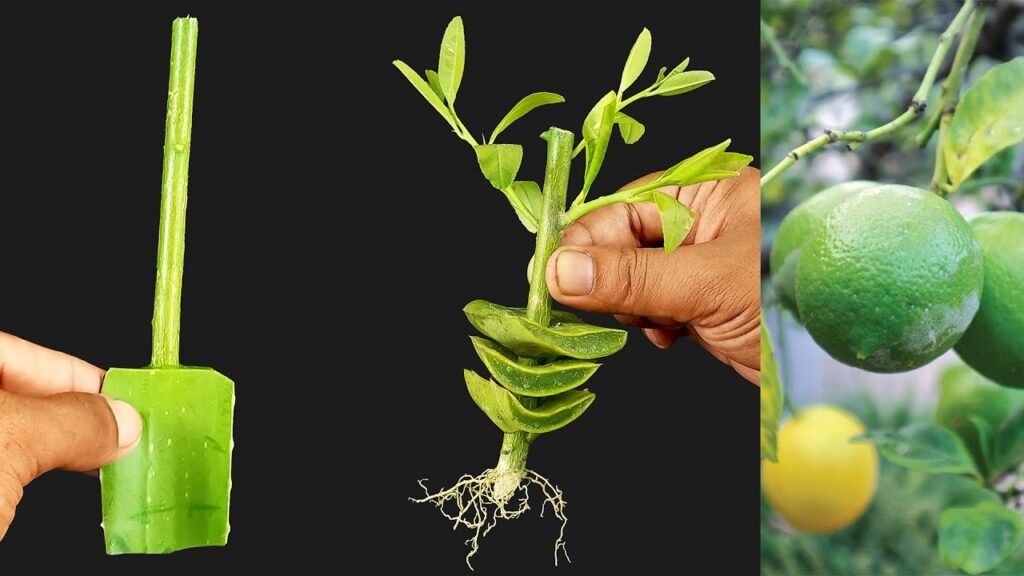
Take a fresh, thick aloe vera leaf
Preferably from a mature plant.
Cut it open lengthwise
Exposing the clear gel inside.
Scoop the gel into a bowl
Use a spoon or knife.
Blend or mash the gel
To make it smooth and liquid-like.
Pour into a small cup or glass
This is your rooting hormone solution.
Step 4: Coat the Cutting with Aloe Vera
Dip the bottom 2 inches of your cutting into the aloe vera gel.
Make sure:
The scraped portion is completely covered
The node area is coated
Gel forms a thick layer around the cutting
This coating provides:
- Protection
- Moisture
- Hormonal boost
- Faster root development
You can also insert the cutting directly inside a fresh aloe leaf—this is a very effective trick!
Step 5: Prepare the Best Rooting Medium
Lemon cuttings root best in a light, well-draining mixture.
Recommended Rooting Mix:
- 50% cocopeat
- 30% sand/perlite
- 20% garden soil
Benefits:
Prevents rot
Retains moisture
Allows oxygen flow
Supports root growth

Avoid heavy clay soil—it suffocates young roots.
Step 6: Planting the Cutting
Now plant your aloe-coated cutting correctly.
Make a hole in the potting mix
Using a stick or your finger.
Insert the cutting 2–3 inches deep
Ensure at least one node is below soil.
Firm the soil around the cutting
This provides stability.
Water lightly
Do NOT overwater!
Step 7: Create a Humidity Dome (100% Success Trick)
Humidity is the key to rooting success.
Cover the pot with a transparent plastic bag
or
Use a cut plastic bottle as a dome
This traps moisture and keeps the cutting fresh.
Leave 2–3 small holes for airflow.
Step 8: Provide Ideal Growing Conditions
Light:
Bright indirect sunlight
(Do NOT place in hot sun)
Temperature:
22°C – 30°C for fastest rooting
Watering:
Water a little every 5–6 days
Keep the soil moist but NOT soggy
Stability is important
Do not shake or disturb the cutting.
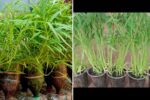
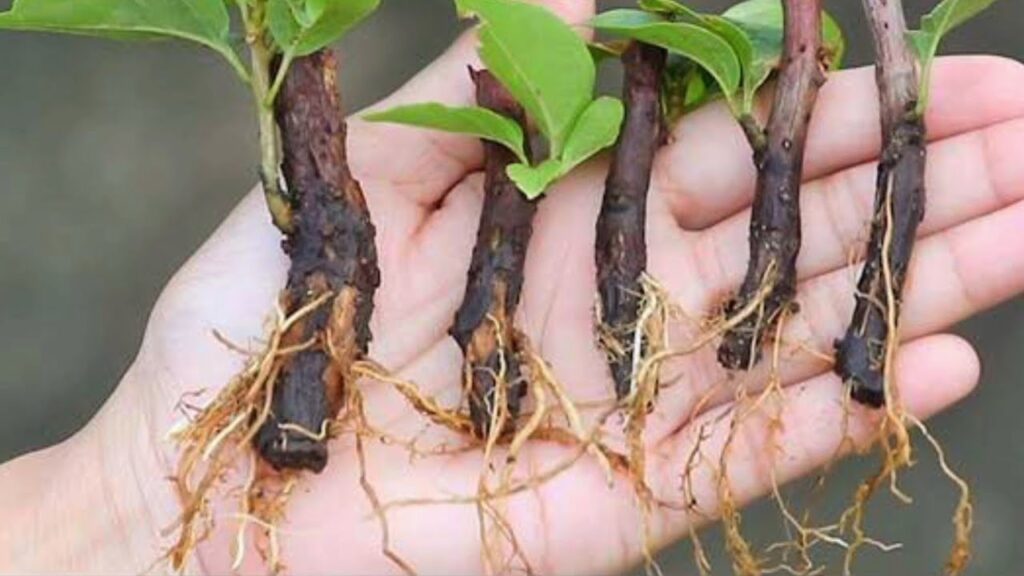
Step 9: Wait for Roots to Grow (2–4 Weeks)
Lemon cuttings root very quickly with aloe vera.
Rooting Signs:
Cutting remains green
New leaves start emerging
The cutting becomes firm
You feel resistance when gently pulling
Full roots usually form in 15–25 days.
If the cutting turns black or soft, it has rotted—start again with a fresh one.
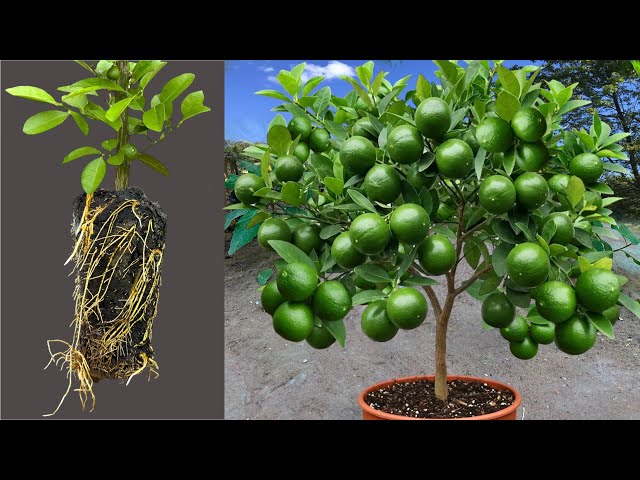
Step 10: Transplanting the Rooted Cutting
Once roots are 1–2 inches long:
Shift into a bigger pot (10–12 inches)
Use nutrient-rich soil.
Water lightly
Keep the soil moist, not wet.
Keep in shade for 5–7 days
Slowly move to sunlight after that.
Caring for the Young Lemon Plant
To grow a strong, healthy lemon tree:
Sunlight:
4–5 hours of soft morning sunlight.
Fertilizing:
After 30 days, use:
- Vermicompost
- Cow dung manure
- Seaweed extract
- Lemon-specific organic fertilizer
Prune for branching
Pinch the tip once the plant grows 1 ft tall.
Pest control:
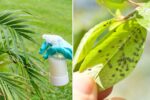
Spray neem oil every 15 days.
With proper care, your cutting will grow into a sturdy lemon tree.
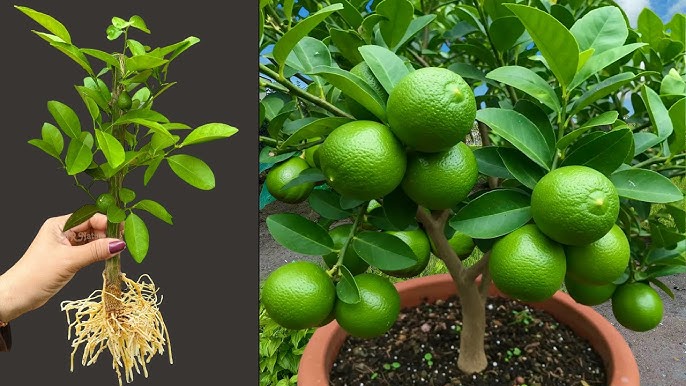
When Will It Bear Fruits?
A lemon tree propagated from cuttings generally fruits in:
2–3 years
Much faster than seed-grown trees.
Fruit quality will be identical to the mother plant.
Common Reasons Cuttings Fail (Avoid These!)
Overwatering
Causes rot.
Too much sunlight
Dries the cutting.
Using a flowering branch
Reduces rooting.
Not using a humidity dome
Cutting dries out.
Poor soil drainage
Leads to fungus.
Avoid these and your success will be nearly guaranteed.
Final Thoughts
Propagating lemon trees from cuttings with aloe vera is one of the easiest, safest, and most effective gardening techniques. Aloe vera acts as a natural rooting booster, prevents infections, and dramatically increases the survival rate of cuttings. With the right cutting, proper humidity, and gentle care, you can root a lemon branch successfully and grow it into a healthy fruit-bearing tree.
pharmacy in mexico that ships to us order medication from mexico can i buy meds from mexico online
Your comment is awaiting moderation.