Oranges are among the most loved fruits worldwide, celebrated for their sweet, tangy flavor and high vitamin C content. But what if you could grow your own orange tree at home using a seed from a store-bought orange? With the right approach, patience, and care, you can cultivate a thriving orange tree and eventually enjoy fresh, juicy fruits right from your backyard, balcony, or indoor space.
In this guide, we will cover everything you need to know to grow oranges from store-bought fruit, from seed preparation to long-term care, ensuring your tree thrives for years.
Introduction: Why Grow Oranges at Home?
Growing oranges at home is both rewarding and practical. Benefits include:
- Fresh and chemical-free fruit: You control fertilizers and pesticides.
- Cost-effective: Save money by growing fruits instead of buying them.
- Sustainable: Reduce food waste by using seeds from eaten oranges.
- Educational: Great for kids and beginners to learn gardening.
- Decorative: Orange trees add greenery and a citrus aroma to your space.
Starting from store-bought oranges also gives you a chance to experiment with different varieties such as Navel, Valencia, or Blood oranges.
Step 1: Choosing the Right Orange
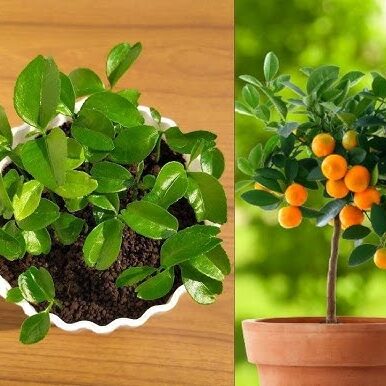
Not every orange seed will produce a perfect tree. For best results:
- Choose ripe, healthy oranges from a trusted source.
- Avoid fruits with mold, damage, or over-ripeness.
- Varieties for home growing:
- Navel orange: Sweet, seedless variety (seedless types may not grow true)
- Valencia orange: Juicy and versatile for eating and juicing
- Blood orange: Red-fleshed variety for flavor and aesthetics
Tip: Select fruit with firm skin and fresh, viable seeds for higher germination success.

Step 2: Extracting and Preparing Seeds
Extracting seeds carefully is crucial for successful germination.
Steps:
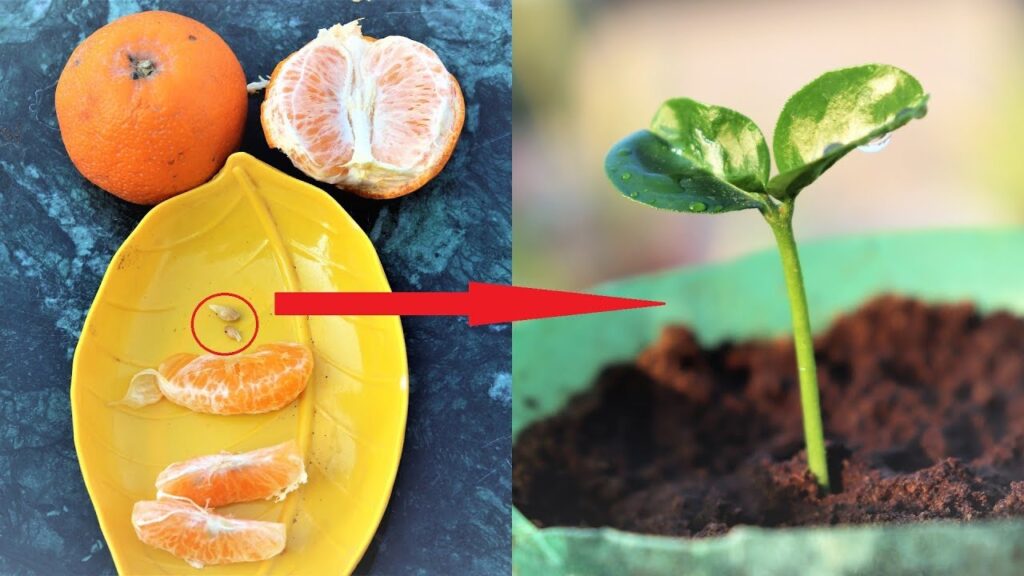
- Cut the orange and remove the seeds carefully.
- Wash seeds to remove pulp, which can promote mold growth.
- Soak seeds in warm water for 24 hours to soften the seed coat.
- Dry seeds lightly with a paper towel.
Tip: Use fresh seeds rather than dried or stored seeds for better germination rates.
Step 3: Germinating Orange Seeds
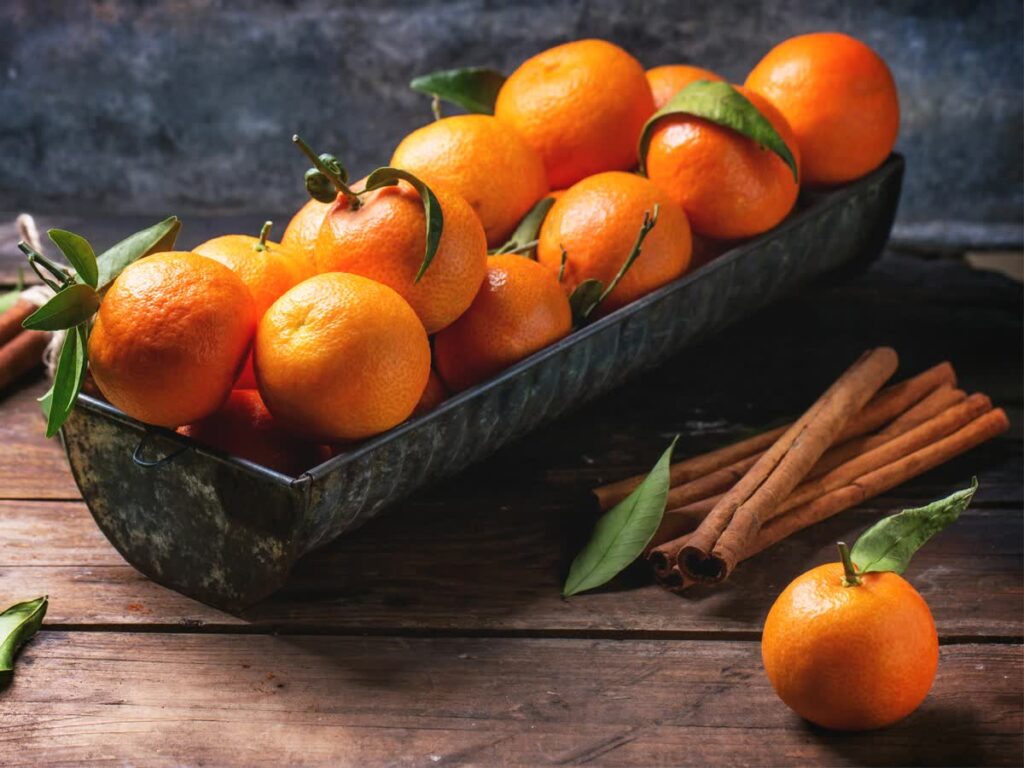
Materials Needed:
- Seed tray or small pots
- Well-draining potting soil
- Plastic wrap or humidity dome
Steps:
- Fill the seed tray with moist soil.
- Plant seeds about 1/2 inch deep.
- Cover with plastic wrap or a lid to retain humidity.
- Place in a warm, sunny location (20–25°C).
- Keep soil consistently moist but not waterlogged.
Germination: Seeds typically sprout in 2–3 weeks, depending on temperature and freshness.
Step 4: Transplanting Seedlings
Once seedlings develop 2–4 true leaves, they are ready for transplanting.
- Use small pots with rich, well-draining soil.
- Gradually acclimate seedlings to outdoor sunlight.
- Keep them in partial sunlight initially to avoid leaf burn.
Tip: Healthy seedlings at this stage are more likely to grow into strong, productive trees.
Step 5: Selecting a Permanent Location
Orange trees thrive in full sunlight and well-draining soil.

- Garden planting: Choose a sunny spot with good drainage.
- Container planting: Use large pots (at least 18–20 inches) with drainage holes.
- Sunlight: Minimum 6 hours of direct sunlight daily.
- Temperature: Ideal range is 20–30°C. Protect young plants from frost.
Tip: Containers are excellent for urban gardeners or those with limited outdoor space.
Step 6: Soil and Fertilization
Orange trees grow best in fertile, slightly acidic, well-draining soil:
- Mix 50% garden soil, 30% compost, 20% sand for optimal drainage.
- Fertilize seedlings lightly with balanced liquid fertilizer every 2–3 weeks.
- Mature trees benefit from citrus-specific fertilizers with nitrogen, phosphorus, and potassium.
Tip: Mulch around the base to retain moisture and prevent weed growth.
Step 7: Watering and Moisture Management
Proper watering is key to healthy growth:
- Keep soil evenly moist, especially for seedlings.
- Avoid waterlogging to prevent root rot.
- Reduce watering slightly during winter.
Tip: Water at the base of the plant, avoiding wetting leaves to reduce fungal issues.
Step 8: Supporting Young Trees
While oranges are self-supporting, young trees may need support:

- Stake young trees for straight growth.
- Tie gently with soft garden ties to prevent stem damage.
Proper support ensures strong growth and easy management as the tree matures.
Step 9: Pruning and Training
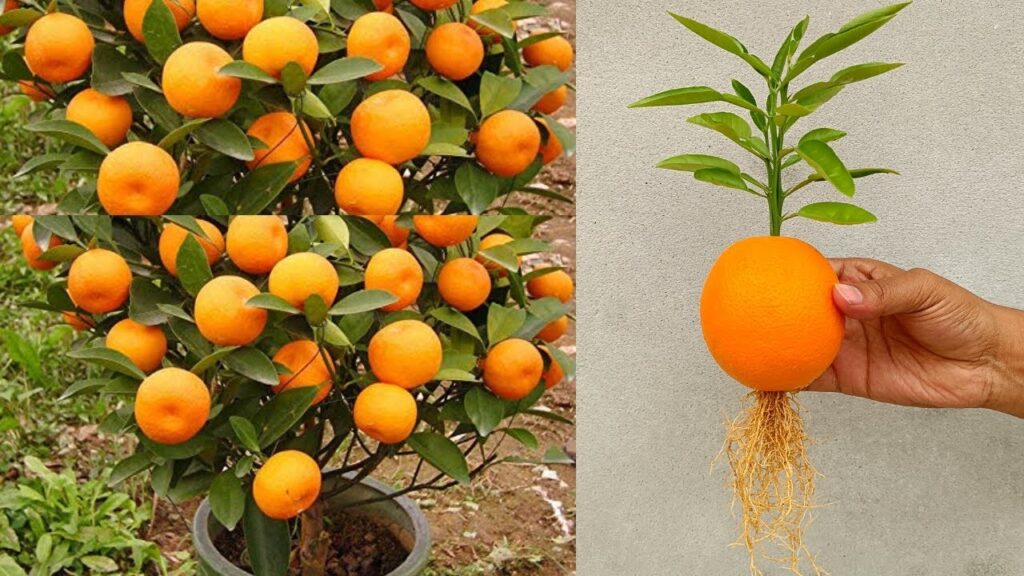
Pruning promotes healthy structure and better fruiting:
- Remove dead or weak branches.
- Thin branches to allow air circulation and sunlight penetration.
- Shape the tree for aesthetic appeal and ease of harvest.
Tip: Prune after fruit harvest or during dormancy to minimize stress on the tree.
Step 10: Flowering and Pollination
Orange trees usually flower 2–5 years after seed planting, though grafted saplings may fruit sooner.
- Flowers are fragrant and white, attracting bees and other pollinators.
- Hand pollination can improve fruit set, especially for container-grown plants:
- Use a small brush to transfer pollen between flowers
Tip: Consistent watering and fertilization during flowering enhance fruit production.
Step 11: Fruit Development and Harvesting
Orange fruits take several months to mature after flowering:

- Color changes depending on the variety (orange, yellow, or reddish-orange).
- Fruits are ready when they feel firm but slightly soft and have full color.
- Cut fruits carefully with scissors or pruners to avoid damaging branches.
Tip: Harvest regularly to encourage continuous flowering and fruiting.
Step 12: Common Issues and Solutions
- Pests: Aphids, spider mites, and scale insects – treat with neem oil or insecticidal soap.
- Diseases: Citrus canker, root rot – maintain good drainage and remove infected leaves.
- Leaf yellowing: Usually due to nutrient deficiency – fertilize appropriately.
Regular inspection and care keep your orange tree healthy and productive.
Step 13: Propagation for More Trees
While seed-grown oranges take longer to fruit, grafting or cuttings can speed up production:
- Take a healthy branch or graft onto a rootstock.
- This ensures strong, disease-resistant trees with faster fruiting.
- Seed-grown trees are perfect for learning and for personal satisfaction.
Tip: Share propagated trees with friends and family—it’s a gift that keeps giving.
Step 14: Benefits of Growing Your Own Oranges
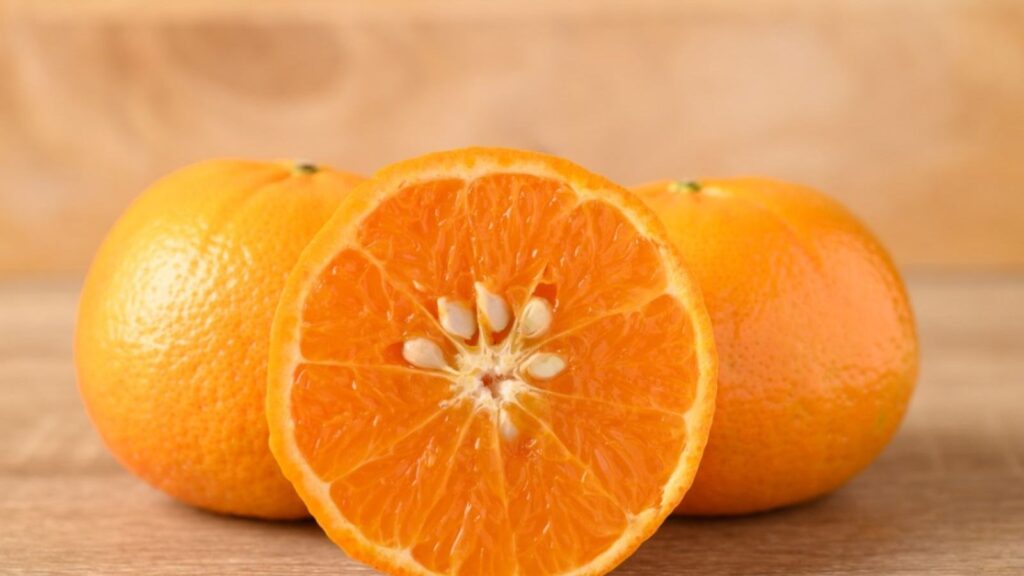
- Fresh, sweet, chemical-free fruits
- Cost-saving and sustainable gardening
- Educational and therapeutic—perfect for children and adults
- Decorative—orange trees are visually appealing with fragrant blossoms
- Self-sufficiency—produce your own vitamin-rich fruits at home
Growing oranges is not only practical but also incredibly rewarding.
Conclusion: Start Your Homegrown Orange Journey
Growing oranges from store-bought fruit is accessible, fun, and satisfying. With patience, proper care, and attention to soil, water, sunlight, and pest management, you can enjoy a thriving tree that produces juicy oranges for years.

Whether in a garden, balcony, or container, your orange tree will be a source of fresh fruit, greenery, and pride. Start today, and experience the joy of homegrown, sweet oranges straight from your own tree.