Citrus trees, including orange, lemon, lime, and kaffir lime, are beloved for their fragrant leaves, refreshing aroma, and delicious fruits. One of the most effective ways to propagate citrus trees is through direct leaf or stem cuttings, also called stek daun in Indonesian. This method is simple, cost-effective, and allows gardeners to produce new plants quickly from a single parent tree.
In this article, we will explore the activity of planting citrus leaf cuttings directly, covering preparation, planting, care, and tips for successful propagation. By following these steps, you can grow healthy citrus trees for your home garden, commercial nursery, or community projects.
Introduction: Why Use Leaf Cuttings for Citrus Propagation
Growing citrus trees from seeds can be time-consuming and may not produce fruit identical to the parent tree. Leaf cutting propagation offers several advantages:
- Faster growth compared to seeds
- Genetic consistency, ensuring new plants have the same characteristics as the parent tree
- Cost-effective, as multiple plants can be produced from a single tree
- Low space requirement, suitable for home gardens or small nurseries
Direct planting of cuttings allows gardeners to bypass intermediate steps like root development in water or soil trays, accelerating the process.
Step 1: Selecting Healthy Leaves or Stems
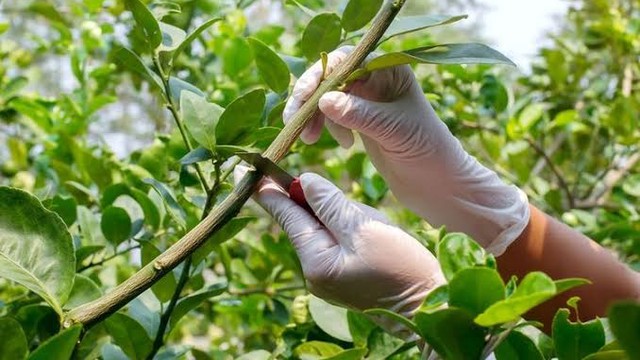
The success of citrus propagation depends on choosing the right material:
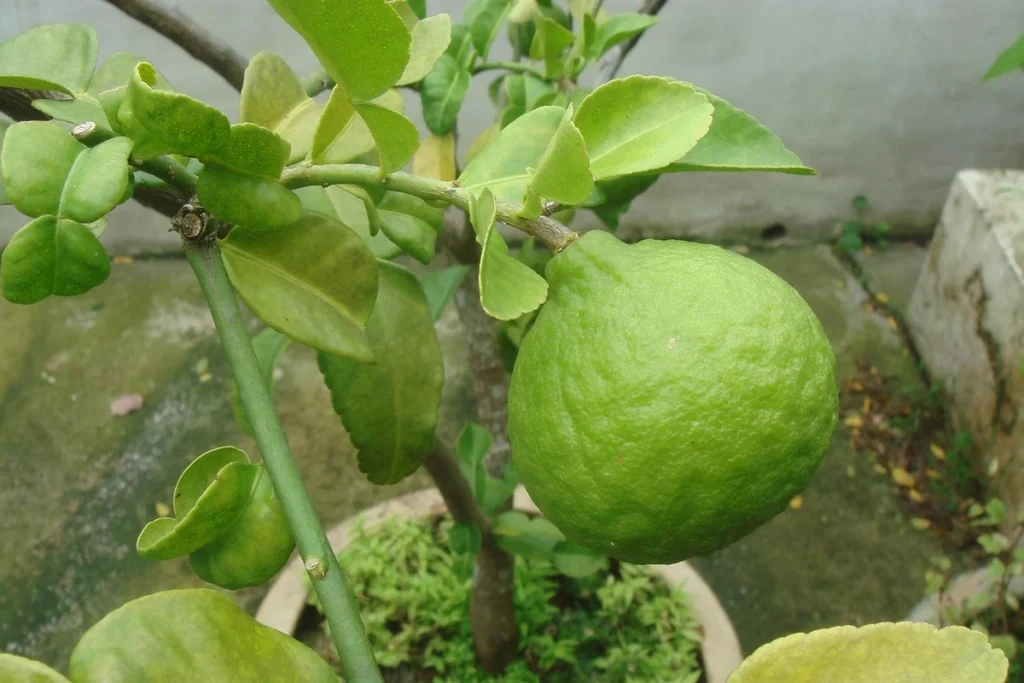
- Select healthy, disease-free leaves or stems from a mature tree
- Use semi-hardwood cuttings, which are not too young or too woody
- Cuttings should be 10–15 cm long, with 2–3 leaves intact
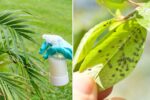
- Avoid leaves with spots, discoloration, or pest damage
Tip: Early morning or late afternoon is ideal for taking cuttings to reduce stress on the plant.
Step 2: Preparing the Cuttings
Proper preparation improves rooting success:
- Use clean, sharp scissors or pruning shears to make a cut just below a node.
- Remove excess leaves, leaving 1–2 at the top.
- Optional: Dip the cut end in rooting hormone to stimulate root development.
Tip: Rooting hormone powder or gel increases success rate, especially for harder-to-root citrus varieties.
Step 3: Preparing the Planting Medium
Citrus cuttings require well-draining, fertile soil to develop roots:
- Use a mixture of sand, garden soil, and organic compost
- Ensure the medium is moist but not soggy
- Fill pots or polybags with the mixture, leaving space for the cutting
Tip: Sterilize soil by baking or sun-drying to reduce risk of fungal infection.

Step 4: Direct Planting of Cuttings
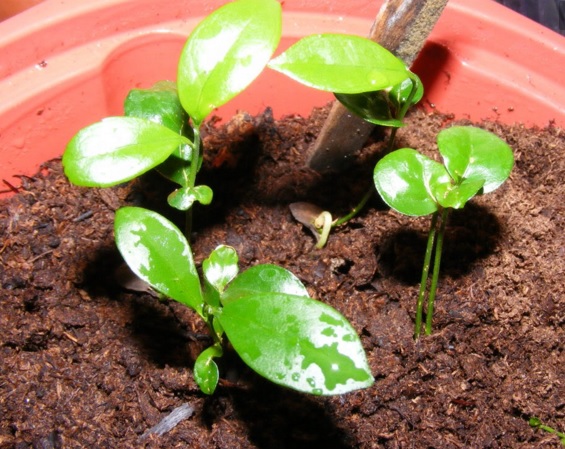
The core activity is planting cuttings directly into the soil:
- Make a small hole with a stick or pencil in the soil.
- Insert the cutting 2–3 cm deep, ensuring it stands upright.
- Firm the soil gently around the base to prevent air pockets.
- Water lightly to settle the soil.
Tip: Avoid burying leaves or too much stem; only the bottom portion should touch the soil.
Step 5: Creating a Humid Environment
Citrus cuttings need high humidity to prevent drying out:
- Cover the pot with a transparent plastic bag or dome
- Ensure it does not touch the leaves
- Place the cutting in indirect sunlight, avoiding direct harsh rays
Tip: Open the cover daily for a few minutes to prevent fungal growth and allow air circulation.
Step 6: Watering and Care
Proper care during rooting is crucial:
- Keep the soil evenly moist, not waterlogged
- Mist leaves occasionally to maintain humidity
- Monitor for signs of rot or mold, removing affected cuttings promptly
Tip: Root development usually takes 2–6 weeks, depending on temperature and variety.
Step 7: Monitoring Root Development
After a few weeks, cuttings should develop roots:
- Gently tug the cutting; resistance indicates root growth
- Newly developed roots are white and tender
- Once roots are strong, gradually acclimate the plant to normal conditions
Tip: Avoid transplanting too early, as weak roots can lead to failure.
Step 8: Transplanting Young Citrus Plants
When cuttings have established strong roots:
- Transplant into larger pots or garden beds
- Use fertile, well-draining soil
- Provide support if necessary, especially for taller plants
Tip: Water after transplanting and continue to provide partial shade for a few days to reduce stress.
Step 9: Fertilization and Maintenance
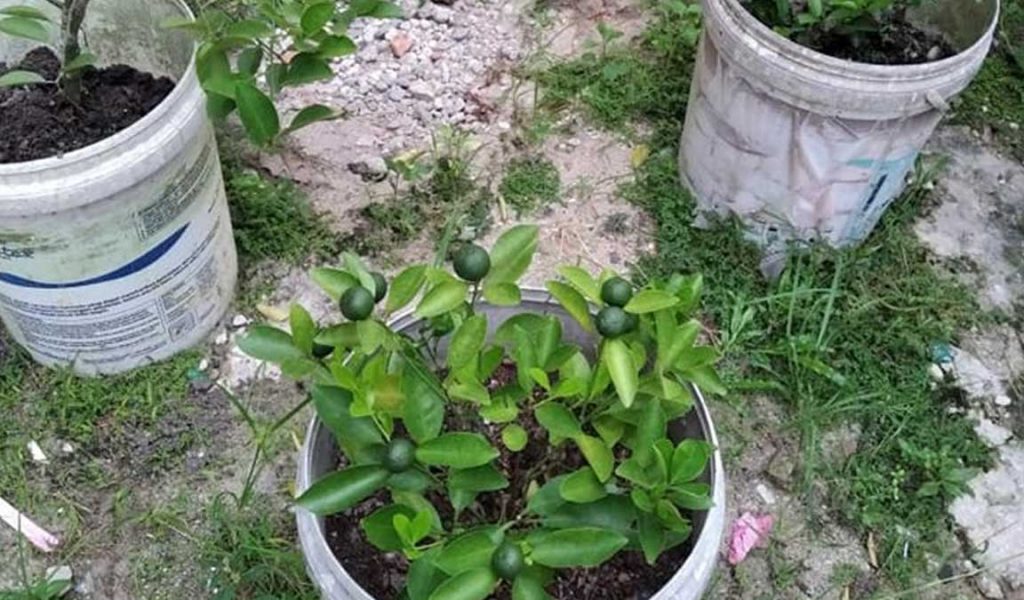
Young citrus plants benefit from proper nutrition:
- Use liquid organic fertilizer every 2–3 weeks for seedlings
- Switch to balanced NPK fertilizer as plants grow
- Mulch around the base to retain moisture and control weeds
Tip: Regular pruning promotes strong, healthy structure for future fruiting.
Step 10: Common Challenges and Solutions
- Cutting drying out: Increase humidity or mist leaves
- Fungal infection: Ensure well-draining soil and avoid waterlogging
- Slow rooting: Use rooting hormone or try semi-hardwood cuttings
- Pest attacks: Monitor regularly and treat with neem oil if needed
With careful monitoring, most problems are easily preventable.
Step 11: Benefits of Direct Leaf Cutting Propagation
- Produces multiple plants quickly from a single tree
- Ensures genetic consistency
- Saves space and resources
- Suitable for home gardens, schools, and nurseries
- Enhances gardening skills and confidence
This method is ideal for horticulture enthusiasts who want fast results and minimal effort.
Step 12: Long-Term Care and Fruit Production
After successful propagation:
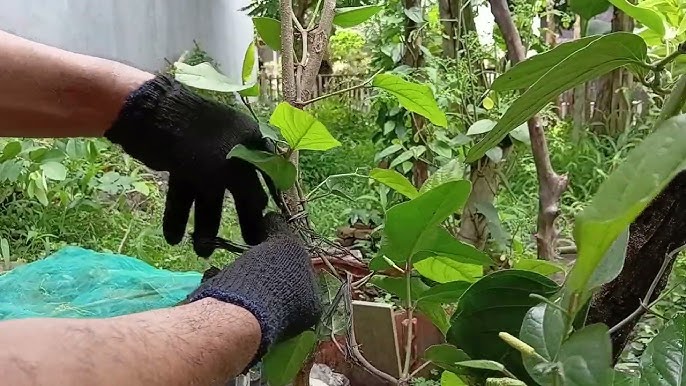
- Transplanted plants need regular watering, sunlight, and fertilization
- Young trees may take 2–3 years to fruit, depending on the variety
- Pruning encourages strong growth and high fruit yield
- Protect from frost or extreme conditions for healthy development
Tip: Patience is key; well-maintained citrus plants reward you with fragrant leaves and delicious fruit for years.
Conclusion: Mastering Citrus Leaf Cutting Propagation
Direct planting of citrus leaf cuttings is a simple, effective, and rewarding method to grow new trees. By carefully selecting healthy leaves, preparing the planting medium, maintaining humidity, and providing proper care, you can multiply citrus trees from a single parent plant.
Whether for home gardening, commercial purposes, or community projects, this method is cost-effective, space-saving, and efficient. Start today, and enjoy the fragrance, greenery, and eventually, the juicy fruits of your homegrown citrus trees.