Pears are one of the most delicious and versatile fruits in the orchard. Their sweet, juicy flavor makes them perfect for eating fresh, baking into pies, or turning into preserves. However, harvesting pears at the right time is crucial for both taste and storage. Pick too early, and the fruit may never ripen properly; pick too late, and the fruit can become overripe and prone to rot.
This guide will take you through everything you need to know about when and how to harvest pears, from understanding ripeness indicators to proper storage techniques for maximum flavor and shelf life.
1. Understanding Pear Ripening
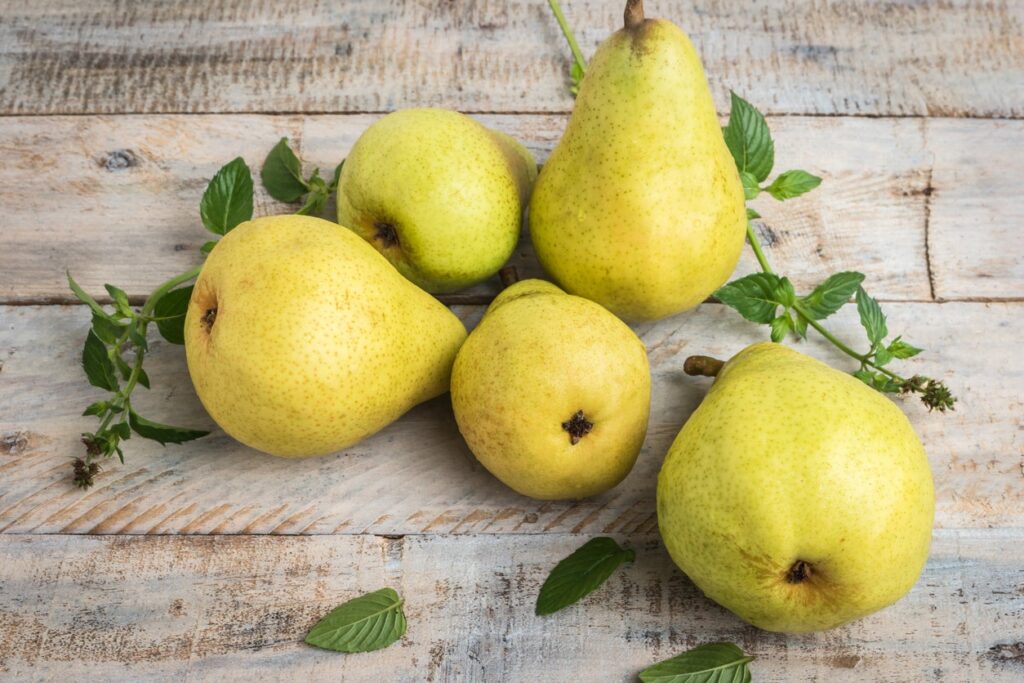
Unlike many fruits, pears do not ripen fully on the tree. Most pear varieties are harvested when mature but still firm, then allowed to ripen off the tree. This method ensures that the fruit reaches optimal sweetness without becoming grainy or mushy.
Key Ripening Facts
- Mature but firm pears ripen better off the tree.
- Ripeness on the tree varies by variety. For example:
- Bartlett: Ripens early in the season.
- Bosc: Ripens later and remains firm longer.
- Anjou: Slow to ripen, ideal for storage.
- Visual cues and the “lift test” help determine maturity.
2. Signs Pears Are Ready to Harvest
Harvesting pears at the right stage ensures the best taste and texture. Look for these indicators:

Physical Signs
- Color change: Many varieties turn from green to slightly yellow as they mature.
- Size: Pears should reach the typical size for their variety.
- Firmness: Slightly soft at the neck in some varieties, but the body should remain firm.
The Lift or Twist Test
- Gently lift the pear upward from the branch.
- If it detaches easily with a slight twist, it’s ready to harvest.
- Avoid pulling hard; unripe pears will resist and may be damaged.
Days After Bloom
- Many growers track days after full bloom to estimate harvest time:
- Bartlett: ~100–120 days
- Bosc: ~150–160 days
- Anjou: ~140–150 days
Combining visual cues with days after bloom provides more accurate timing.
3. Harvesting Techniques for Perfect Pears
Proper handling during harvest prevents bruising and extends shelf life.
Step-by-Step Harvesting
- Use both hands: One hand supports the branch, the other gently lifts the fruit.
- Twist gently: Avoid pulling straight down.
- Handle with care: Pears bruise easily; place them softly in baskets or padded containers.
- Harvest in the morning: Cooler temperatures help maintain fruit firmness and reduce post-harvest rot.
Tools You Might Need
- Small ladder for higher branches
- Harvesting pole with basket attachment for tall trees
- Soft cloth or padded basket to prevent bruising
Proper technique ensures pears remain firm and ripen evenly.
4. Harvesting Different Pear Varieties
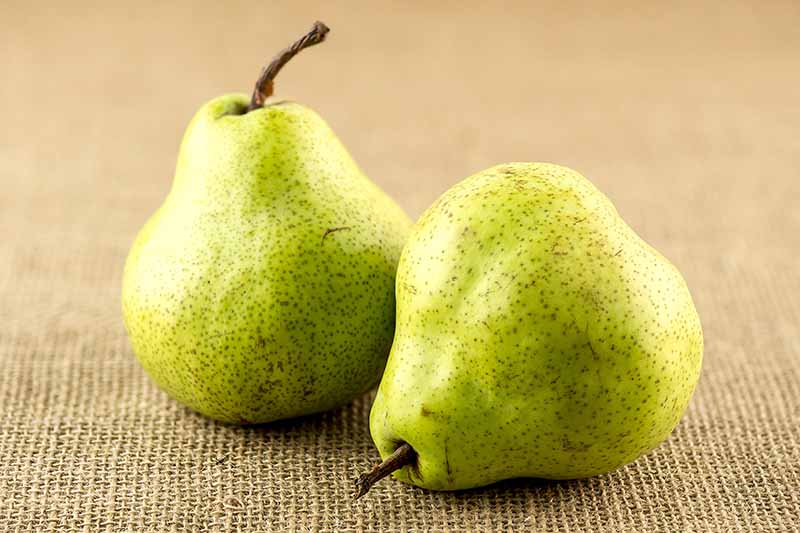
Different pear varieties have slightly different harvesting methods due to texture, ripening pattern, and intended use.

Bartlett Pears
- Turn from green to yellow on the tree.
- Pick slightly before full ripeness; ripen at room temperature.
- Excellent for fresh eating and canning.
Bosc Pears
- Maintain firm brownish skin until ripe.
- Best picked when the base begins to soften slightly.
- Ideal for baking or poaching due to firm flesh.
Anjou Pears
- Do not change color significantly; rely on firmness.
- Pick mature and allow to ripen off the tree.
- Great for long-term storage and fresh eating.
5. Off-the-Tree Ripening
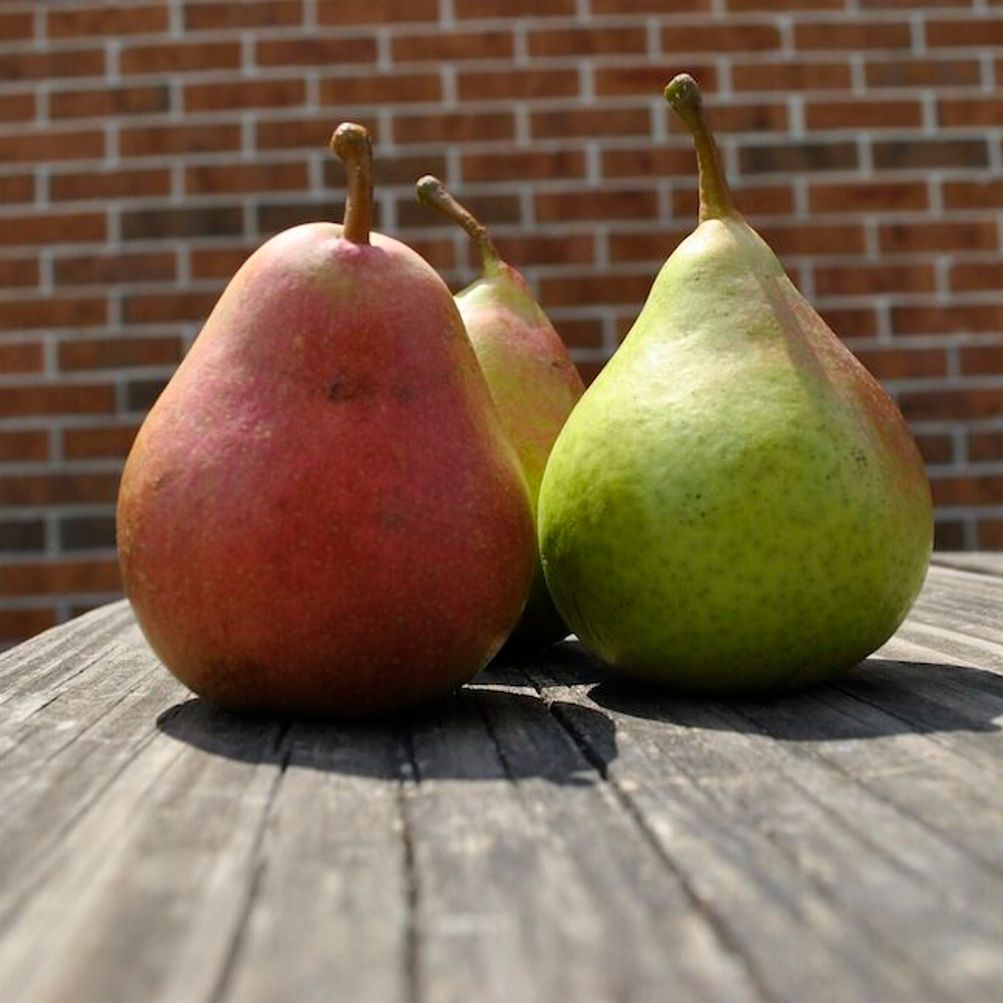
After harvest, pears continue to ripen. Proper handling during this phase ensures sweet, juicy fruit.
Ripening Process
- Place pears at room temperature (around 65–70°F / 18–21°C).
- Avoid direct sunlight to prevent overheating.
- To speed up ripening, place pears in a paper bag with an apple or banana, which release ethylene gas naturally.
Checking Ripeness
- Gently press near the stem; slight softness indicates readiness.
- Taste a small piece to ensure optimal sweetness before consuming or using in recipes.
6. Storing Harvested Pears
Storage is essential to prolong shelf life and reduce waste.
Short-Term Storage
- Keep at room temperature for 2–5 days for ripening.
Long-Term Storage
- Store in refrigerator crisper at 32–35°F (0–2°C).
- Place pears in perforated plastic bags to maintain humidity.
- Avoid storing with overly ripe fruits to prevent premature ripening.
Tip:
Check stored pears regularly and remove any that are overripe or soft to prevent spoilage of others.
7. Common Mistakes When Harvesting Pears
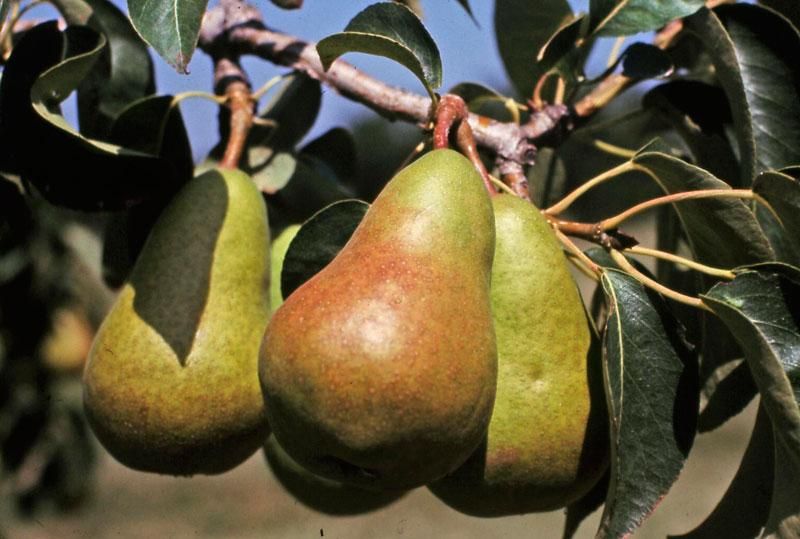
Avoid these pitfalls to ensure quality fruit:

- Harvesting too early – Results in poor flavor and grainy texture.
- Pulling fruit aggressively – Causes branch damage and bruising.
- Ignoring ripening off the tree – Leads to underdeveloped sweetness.
- Improper storage – Can cause rapid spoilage or loss of firmness.
By following best practices, you maximize both taste and shelf life.
8. Additional Tips for a Successful Pear Harvest
- Label varieties: Helps track harvest time and ripening methods.
- Harvest regularly: Prevents overripe fruit from falling and attracting pests.
- Maintain tree health: Regular pruning and fertilization support consistent harvests.
- Monitor weather conditions: Harvest before heavy rain or frost to prevent damage.
A careful approach ensures a bountiful and high-quality pear harvest year after year.
9. Benefits of Proper Harvesting
- Better flavor: Mature, properly ripened pears are sweeter and juicier.
- Longer shelf life: Avoids premature spoilage.
- Reduced waste: Healthy fruit lasts longer in storage and during transport.
- Versatility: Pears harvested at optimal maturity can be eaten fresh, baked, canned, or fermented.
Proper harvest timing is the difference between a good harvest and a great harvest.
10. How to Enjoy Your Pears
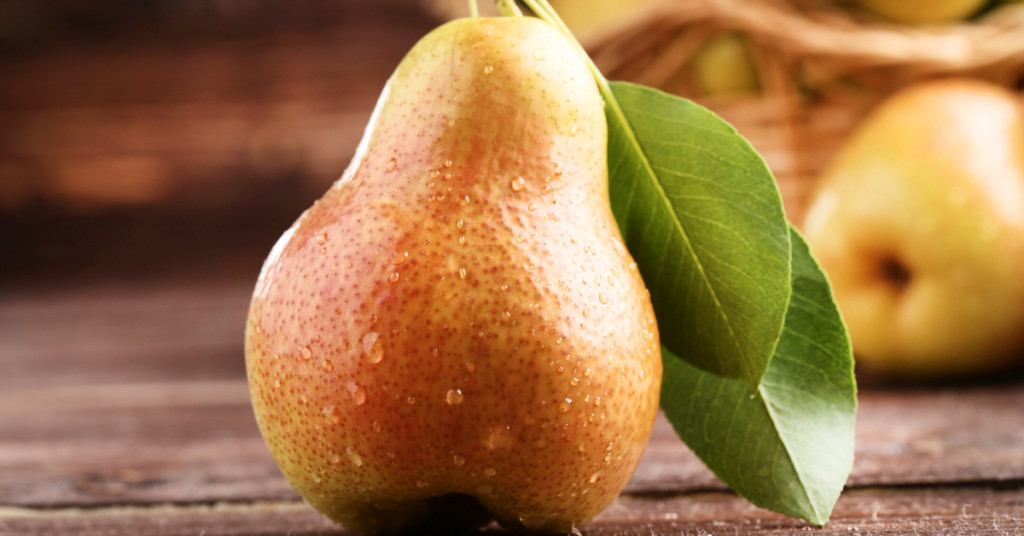
Once harvested, pears can be used in a variety of delicious ways:

- Fresh: Snack or add to salads
- Baking: Pies, tarts, and crisps
- Cooking: Poached pears, sauces, or jams
- Preserves: Canning or making pear butter
Home-harvested pears taste far superior to store-bought because they are picked at the peak of maturity and handled carefully.
11. Final Thoughts
Harvesting pears is both an art and a science. Understanding when to pick, how to handle, and where to store your fruit ensures that every pear reaches its full potential in taste and texture.
By paying attention to ripeness indicators, variety-specific harvesting techniques, and proper post-harvest care, you can enjoy sweet, juicy, and perfectly ripe pears straight from your garden.
Whether you are a backyard gardener or manage a small orchard, following these practices will lead to consistently delicious pears every season.