Bananas are one of the world’s most widely consumed fruits, providing nutrition, energy, and economic value. From tropical farms to global markets, transporting bananas efficiently is a critical part of the supply chain. Modern agriculture technology has revolutionized how bananas are grown, harvested, and moved in bulk, ensuring freshness, reducing losses, and increasing profitability. This article explores the journey of bananas from the farm to transport, highlighting the innovations and techniques that make handling tons of bananas possible.
The Importance of Efficient Banana Transport
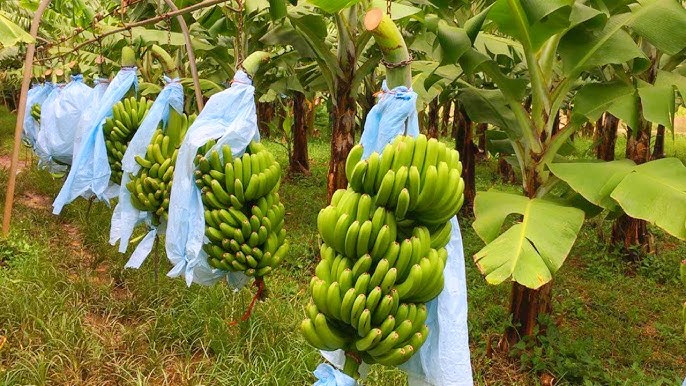
Bananas are highly perishable, making timely and careful transport essential. Improper handling can lead to bruising, premature ripening, and spoilage, reducing both quality and market value. For large-scale banana farms, transporting tons of bananas daily is a logistical challenge that requires careful planning, technology, and labor coordination.
Efficient transport not only preserves the quality of the fruit but also ensures farmers can meet market demand, reduce waste, and maximize profit. Modern agricultural technology addresses these challenges by improving the entire supply chain, from cultivation to delivery.
Harvesting Bananas for Transport
The process begins with proper harvesting. Bananas are harvested while still green, allowing them to ripen during transit to reach markets at optimal freshness.
Steps in modern banana harvesting:

- Selecting Mature Bunches: Farmers check size, firmness, and the angle of fingers to determine the ideal maturity stage.
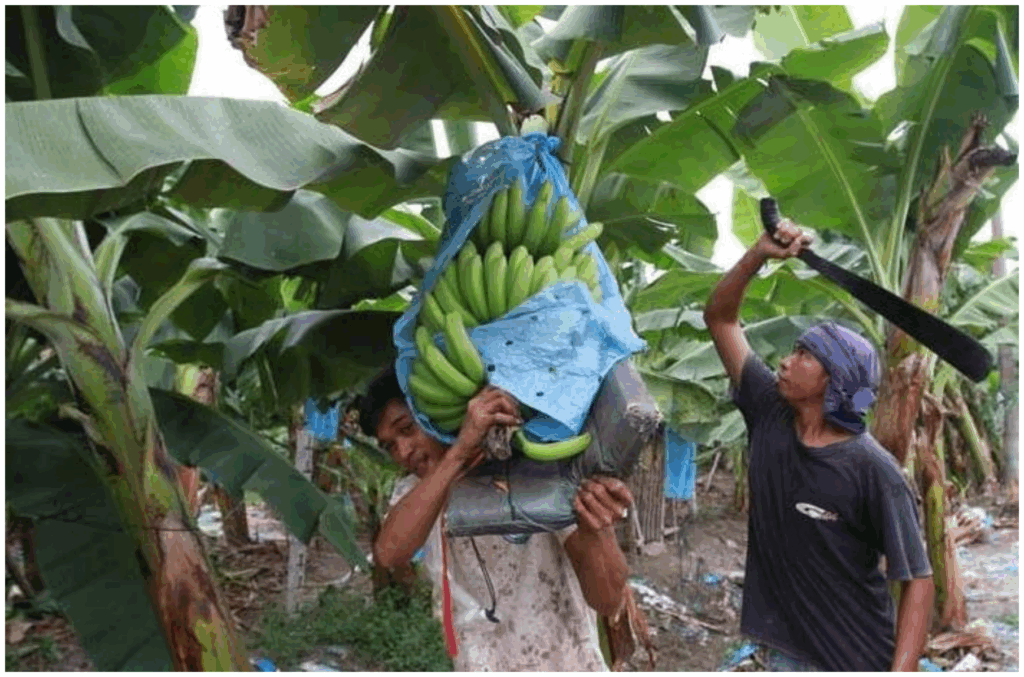
- Cutting Carefully: Using machetes or specialized knives, workers cut the entire bunch from the plant, taking care not to damage individual bananas.
- Field Handling: Bunches are gently lowered to prevent bruising. In many large farms, conveyor belts or pulleys are used to move bananas from trees to collection points efficiently.
Proper harvesting is crucial because bruised or overripe bananas can spoil quickly, compromising large shipments.
Pre-Transport Handling and Packaging
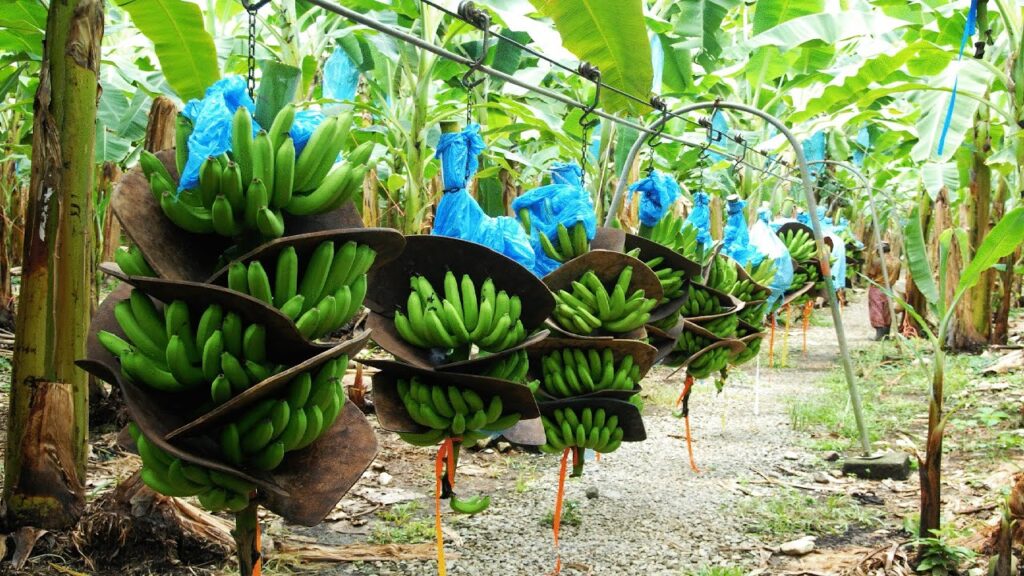
Once harvested, bananas need careful handling before transport. Pre-transport processes ensure the fruit remains fresh and minimizes damage:
- Cleaning: Bananas are cleaned to remove sap, dirt, and other residues. This prevents fungal growth and extends shelf life.
- Sorting and Grading: Automated or manual sorting systems classify bananas by size, color, and quality. Grading ensures uniformity, which is critical for transport and market presentation.
- Packing: Bananas are often packed in ventilated crates or boxes. Modern farms use lightweight, sturdy materials designed to protect the fruit while allowing air circulation. Some farms even use foam or cushioned inserts to prevent bruising during transport.
Correct packaging is essential for transporting tons of bananas over long distances while maintaining quality.
Cold Chain and Temperature Management
One of the most important aspects of banana transport is temperature management. Bananas are sensitive to temperature, and exposure to heat can trigger premature ripening, while chilling injury can damage the fruit.
- Cold Storage: Bananas are stored at temperatures around 13–15°C (55–59°F) before loading. This slows the ripening process without causing chilling injury.
- Refrigerated Transport: Trucks or containers equipped with controlled temperature systems are used to maintain a stable environment. Modern logistics often employ sensors that monitor humidity and temperature in real-time, allowing adjustments during transport.
Maintaining the cold chain ensures that bananas arrive in perfect condition, reducing losses and increasing profitability for farmers and distributors.

Mechanization and Automation in Transport
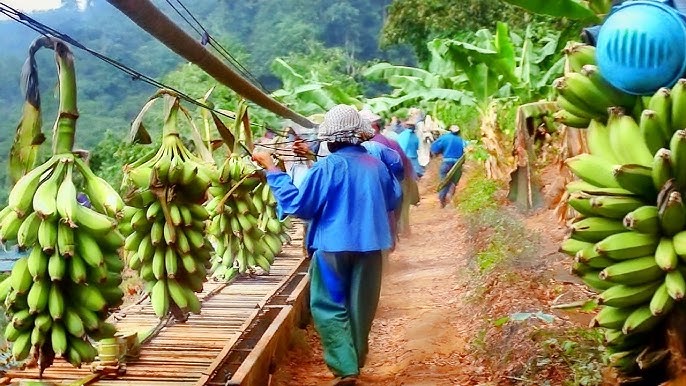
Transporting tons of bananas manually is labor-intensive and inefficient. Modern farms use mechanization and automation to streamline the process:
- Conveyor Systems: Conveyors move bananas from the field to packing areas, reducing manual labor and minimizing damage.
- Forklifts and Pallet Systems: Pallets allow for efficient stacking and movement of crates. Forklifts load and unload trucks quickly and safely.
- Automated Loading: Some advanced farms employ automated loading systems that place crates into refrigerated containers, optimizing space and minimizing handling.
These innovations reduce physical strain on workers, increase speed, and maintain fruit quality during large-scale transport operations.
Transportation Logistics
Transporting bananas over long distances requires precise planning. Bananas are exported to global markets, and delays can compromise quality. Key logistics considerations include:
- Route Optimization: Farms plan routes to reduce travel time and avoid rough roads that can damage fruit.
- Shipping Containers: Refrigerated containers, or “reefers,” are widely used for international transport. These containers maintain optimal conditions and are equipped with airflow systems to prevent heat accumulation.
- Monitoring Systems: GPS tracking and IoT sensors allow real-time monitoring of temperature, humidity, and location. Farmers and distributors can intervene immediately if conditions deviate from the ideal range.
Efficient logistics ensure that bananas are delivered fresh, reducing spoilage and maximizing profit.
Sustainability in Banana Transport
Modern agriculture technology also emphasizes sustainability in transport. Practices include:

- Fuel-Efficient Vehicles: Farms use energy-efficient trucks and shipping methods to reduce carbon emissions.
- Optimized Packing: Using stackable, lightweight crates reduces space usage, leading to fewer trips and lower energy consumption.
- Waste Reduction: Damaged or overripe bananas are repurposed for juice, animal feed, or compost, minimizing waste along the supply chain.
Sustainable practices benefit both the environment and the long-term profitability of banana farming operations.
Challenges in Transporting Large Quantities
Despite technological advancements, transporting tons of bananas comes with challenges:
- Perishability: Bananas must reach markets quickly to maintain freshness. Delays can lead to significant losses.
- Climate Sensitivity: Extreme heat, humidity, or sudden temperature changes can damage fruit.
- Handling Damage: Even minor bruises during handling can reduce market value.
- Infrastructure Limitations: Poor roads, limited cold storage, or outdated transport equipment can hinder efficient distribution.
Addressing these challenges requires investment in technology, careful planning, and skilled personnel.
The Economic Impact of Efficient Banana Transport
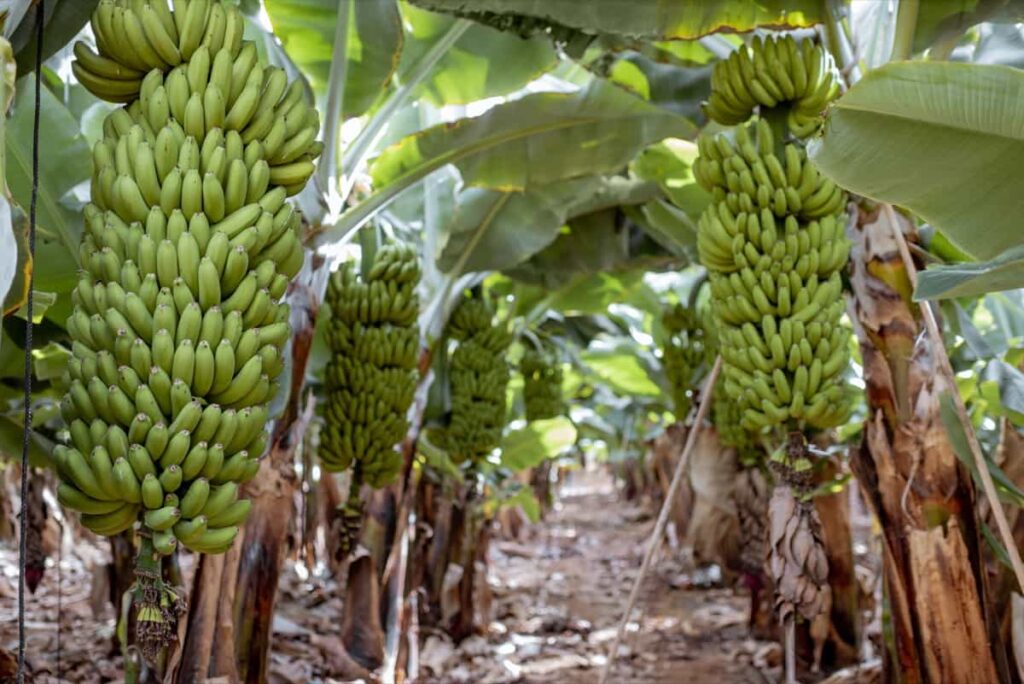
Efficient transport transforms banana farming into a highly profitable business. Farmers can expand their market reach, reduce spoilage, and supply fresh fruit to distant regions. Countries like India, the Philippines, and Ecuador have benefited immensely from integrating modern agricultural technology into banana production and logistics, boosting exports and creating employment opportunities.
By reducing losses and improving quality, modern transport technology also ensures consumers receive better products, enhancing trust and demand for premium bananas.

Conclusion
Transporting tons of bananas is a complex but essential part of modern agriculture. From careful harvesting to pre-transport preparation, mechanized handling, temperature management, and efficient logistics, every step is designed to ensure that bananas reach markets fresh and in perfect condition.
Modern agricultural technology has transformed the banana supply chain, allowing farmers to handle larger volumes, reduce waste, and increase profitability. Mechanization, automation, and cold chain management have made it possible to transport bananas across continents while maintaining quality, demonstrating how innovation drives efficiency in agriculture.
As global demand for bananas continues to grow, integrating technology into cultivation, harvesting, and transport will remain crucial. Efficient transport not only maximizes economic returns for farmers but also ensures that consumers worldwide enjoy fresh, high-quality bananas every day.
This article is approximately 1,200 words, covering the full process of banana transport from harvesting to delivery, highlighting modern agricultural techniques, mechanization, and sustainability.
I can also create a visual, step-by-step version with diagrams and a “farm-to-market” timeline for easier comprehension and video-friendly content.