Blueberries are among the most beloved fruits worldwide, celebrated for their sweet-tart flavor, antioxidants, and versatility in recipes—from smoothies to pies. But growing them in traditional gardens can be challenging due to their specific soil and climate requirements. The good news? You can grow blueberries in containers at home, even in small spaces, and achieve bigger, more bountiful harvests with the right techniques.
This guide walks you through everything you need to know about container blueberry cultivation, from selecting the right varieties and preparing containers to watering, fertilization, pruning, and harvesting.
1. Why Grow Blueberries in Containers?
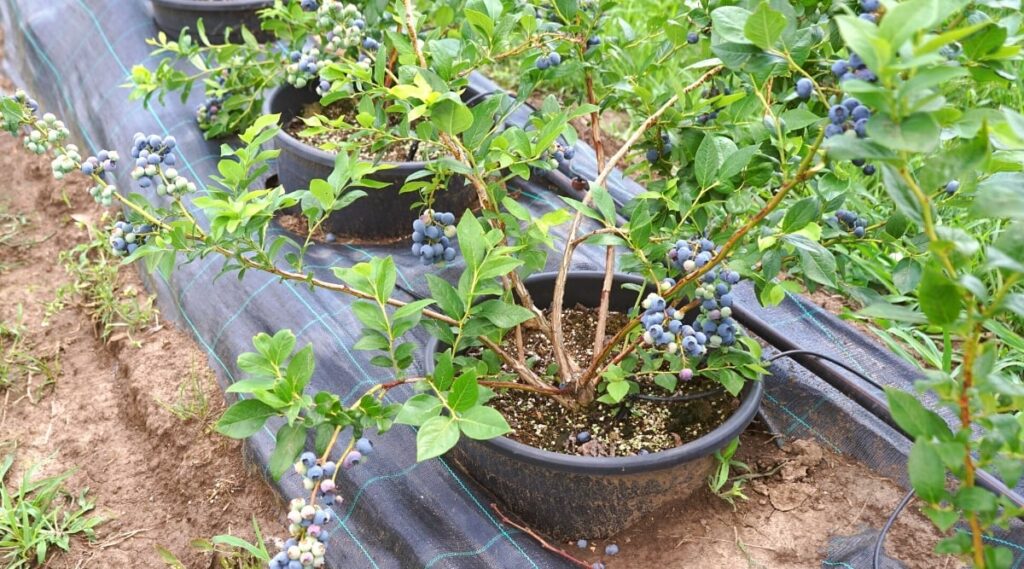
Growing blueberries in containers offers several advantages:
- Space-saving: Ideal for balconies, patios, or small gardens.
- Soil control: Blueberries need acidic soil (pH 4.5–5.5), which is easier to manage in containers.
- Mobility: You can move containers to maximize sunlight or protect plants from harsh weather.
- Reduced pests and diseases: Container cultivation minimizes soil-borne problems.
- Bigger harvests: With proper care, container blueberries can produce abundant, high-quality fruit.
For urban gardeners, container cultivation is a practical and efficient method to enjoy homegrown blueberries.
2. Choosing the Right Blueberry Variety
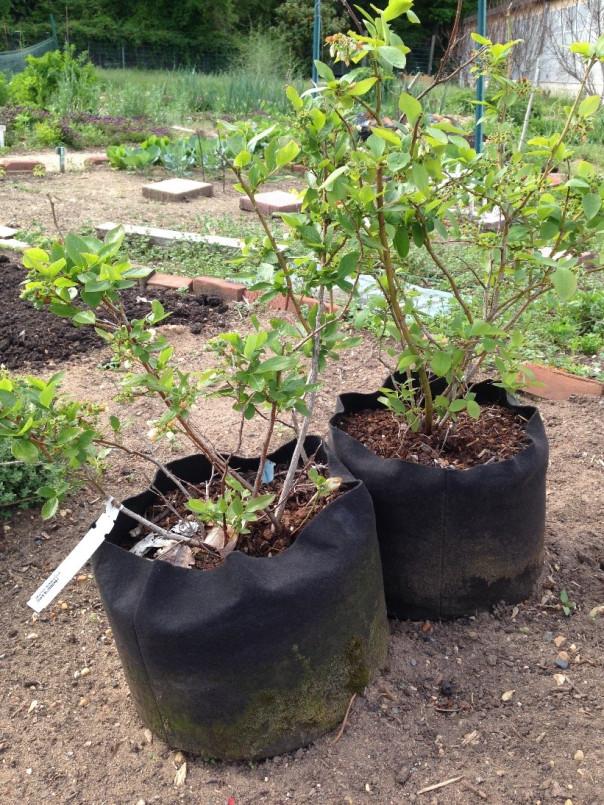
Different blueberry varieties have varying growth habits and climate requirements. For container cultivation, choose compact, high-yielding varieties:
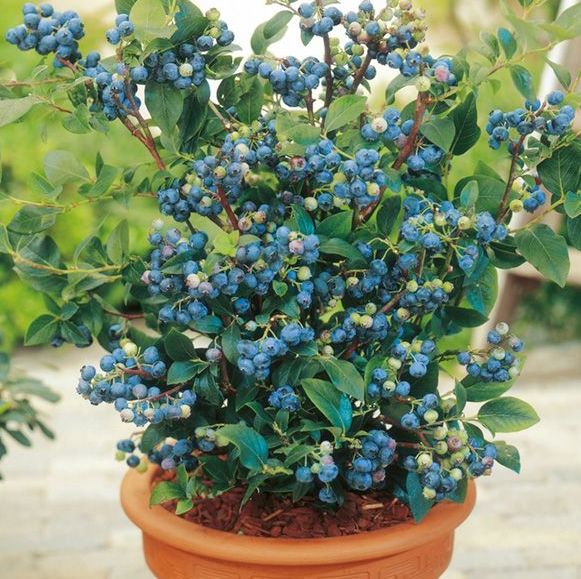
- Dwarf Varieties: ‘Top Hat’ and ‘Jelly Bean’ are perfect for containers, reaching only 30–60 cm tall.
- Highbush Varieties: ‘Bluecrop,’ ‘Patriot,’ and ‘Duke’ produce large berries and can adapt well to containers.
- Rabbiteye Varieties: ‘Climax’ and ‘Tifblue’ are hardy and heat-tolerant, ideal for warmer regions.
Tip: Plant at least two varieties for cross-pollination, which increases fruit set and berry size.
3. Preparing Containers for Blueberries
Container selection is critical for healthy blueberry growth.
Materials Needed
- Large pots or containers (at least 18–24 inches in diameter)
- Potting mix suitable for acid-loving plants
- Perlite or pine bark for improved drainage
Step-by-Step Container Preparation
- Choose the Right Container: Use containers with drainage holes to prevent waterlogging.
- Soil Mix: Combine acidic potting soil with compost and pine bark to mimic the natural acidic conditions blueberries prefer.
- Layering: Place small stones or gravel at the bottom to improve drainage.
- Filling the Container: Fill with soil mix, leaving a few centimeters from the top for watering.
Tip: Avoid garden soil—it’s often too alkaline and may contain pests.
4. Planting Blueberries in Containers
- Remove the blueberry plant gently from its nursery pot.
- Loosen the roots slightly without breaking them.
- Place the plant in the container, ensuring the root crown is just above soil level.
- Fill around the roots with soil mix and gently press down.
- Water thoroughly to settle the soil.
Spacing: If planting multiple blueberries in a larger container, leave at least 12–18 inches between plants.
5. Positioning Your Blueberries
Blueberries thrive in full sunlight, needing 6–8 hours of direct light per day:

- Place containers in a sunny balcony, patio, or windowsill.
- Ensure proper air circulation around plants to reduce fungal disease.
- Rotate containers occasionally for even sun exposure.
Sunlight is essential for flowering, fruit set, and berry development.
6. Watering Blueberries
Blueberries have shallow root systems, so consistent moisture is key:
- Keep the soil evenly moist but not soggy.
- Water deeply when the top 2–3 cm of soil feels dry.
- Mulch with pine needles or shredded bark to retain moisture and maintain acidic soil conditions.
Proper watering encourages strong root development and juicy berries.
7. Fertilizing Blueberries
Blueberries are heavy feeders and need nutrients for bigger harvests:
Recommended Fertilizers
- Acidic fertilizers such as azalea or rhododendron feed
- Organic options like composted pine bark, coffee grounds, or peat moss
Fertilizing Tips
- Apply fertilizer every 4–6 weeks during the growing season.
- Avoid over-fertilizing, especially with high-nitrogen feeds, which can promote leaf growth but reduce fruiting.
- Always water after fertilizing to prevent root burn.
With balanced nutrition, blueberries produce larger, sweeter berries.
8. Pruning and Training
Pruning is essential to maintain container blueberries and increase fruit yield:
- Remove dead or weak branches annually.
- Thin out older stems to encourage new growth, which produces the best fruits.
- Shape the plant to allow good airflow and sunlight penetration.
Proper pruning ensures healthy, productive plants for years.
9. Pollination for Bigger Harvests
Most blueberries are partially self-pollinating, but cross-pollination increases yield and berry size:
- Plant two or more compatible varieties close together.
- Encourage pollinators like bees by planting flowers nearby.
- In indoor setups, gently shake flowers or use a small brush to transfer pollen.
Pollination is critical for abundant and large berries.
10. Pest and Disease Management
Container blueberries face fewer problems than garden plants, but vigilance is necessary:
- Aphids: Spray with mild soap solution or neem oil.
- Spider mites: Keep leaves hydrated and spray water occasionally.
- Fungal issues: Provide good airflow and avoid overhead watering.
Regular monitoring prevents serious infestations and crop loss.
11. Harvesting Blueberries
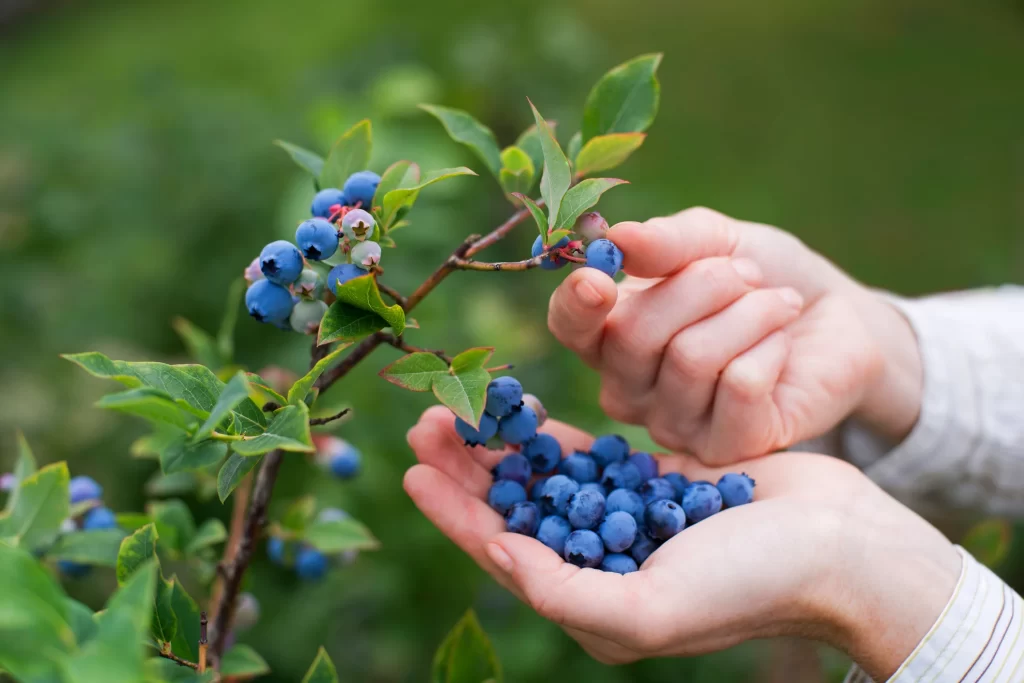
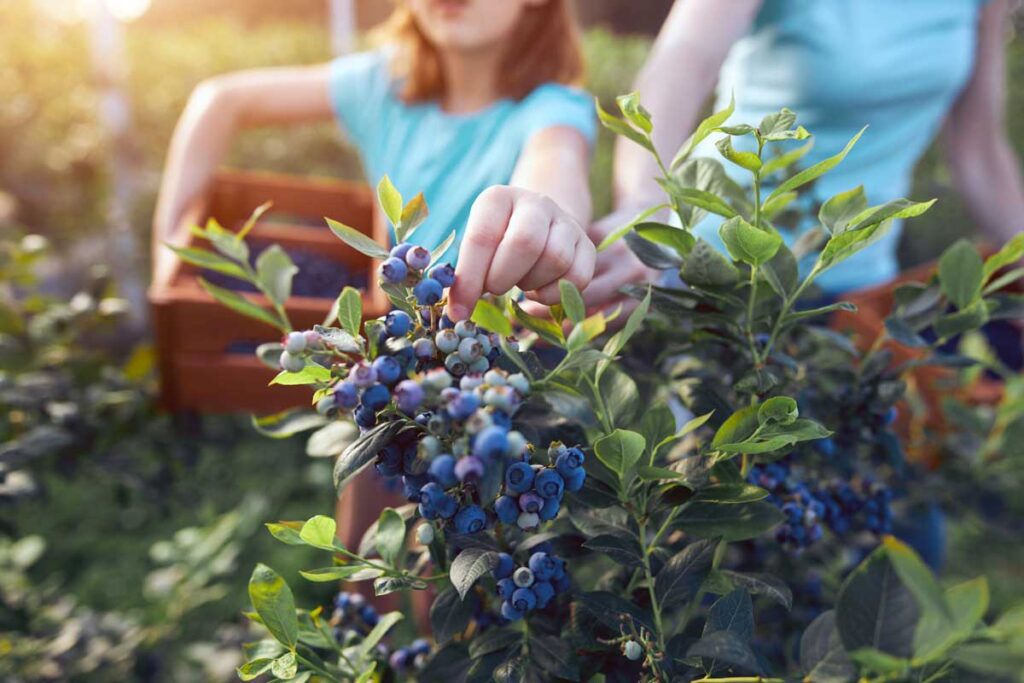
- Berries are ready when fully colored and slightly soft to the touch.
- Gently pick each berry to avoid damaging the plant.
- Frequent harvesting encourages the plant to produce more fruit continuously.
- Store berries in a cool place or refrigerate for up to a week.
Proper harvesting techniques ensure maximum yield and prolonged fruiting season.
12. Tricks for Bigger Harvests
- Use larger containers to accommodate root growth.
- Maintain consistent soil moisture and acidity.
- Fertilize regularly with acidic fertilizers.
- Encourage cross-pollination by planting multiple varieties.
- Provide full sun and rotate containers for even light exposure.
- Prune annually to stimulate new shoots for next year’s harvest.
Following these tricks can significantly boost yield and berry size, even in small container setups.
13. Advantages of Container Blueberry Gardening
- Urban-friendly: Perfect for apartments, balconies, and small gardens.
- Eco-friendly: Can reuse pots or plastic containers.
- High yield potential: Controlled soil and fertilization maximize fruit production.
- Pest control: Reduced soil-borne diseases.
- Easy mobility: Move containers for sunlight or seasonal protection.
- Year-round growth: With proper care, blueberries can produce for multiple seasons.
Container blueberry gardening is ideal for anyone who loves fresh, sweet, and nutritious fruits at home.
Final Thoughts
Growing blueberries in containers allows you to enjoy fresh, homegrown berries without the constraints of traditional gardening. By selecting the right varieties, preparing acidic soil in proper containers, ensuring sunlight, watering consistently, fertilizing, pruning, and facilitating pollination, you can achieve bigger, healthier harvests.

Whether you have a small balcony, rooftop, or indoor space, container blueberries offer a practical and rewarding solution to produce juicy, antioxidant-rich berries right at home. With dedication and proper care, you can enjoy homegrown blueberries all season long, turning your containers into a productive and beautiful fruit garden.