Passion fruit is a tropical treasure, cherished for its sweet, tangy flavor and high nutritional value. With growing demand in local markets and global trade, cultivating and selling passion fruit can be a profitable venture for farmers, urban growers, and small business entrepreneurs. But success isn’t just about growing the fruit—it’s about harvesting it at the right time, preparing it properly, and marketing it effectively.
This guide, inspired by Huyen Bushcraft techniques, walks you through the complete journey from harvest to market, helping you maximize yield, quality, and profit from your passion fruit crops.
1. Understanding Passion Fruit Growth and Harvest Timing
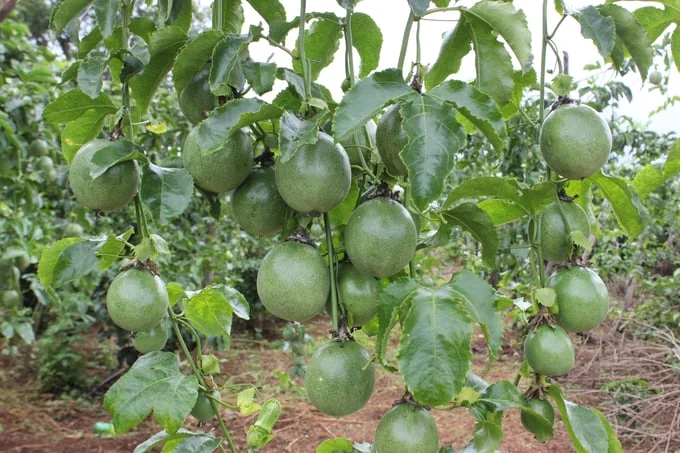
Passion fruit vines are vigorous climbers that thrive in tropical and subtropical climates. Key points for successful production:
- Flowering and Fruiting: Passion fruit flowers bloom multiple times a year, and fruits take 70–80 days to mature.
- Identifying Ripe Fruits: Look for full color (purple, yellow, or orange depending on variety) and slight wrinkling for maximum sweetness.
- Harvest Timing: Morning harvest is ideal to avoid heat stress and bruising.
Correct timing ensures fruits are flavorful, juicy, and ready for sale, commanding higher market prices.
2. Preparing for the Harvest
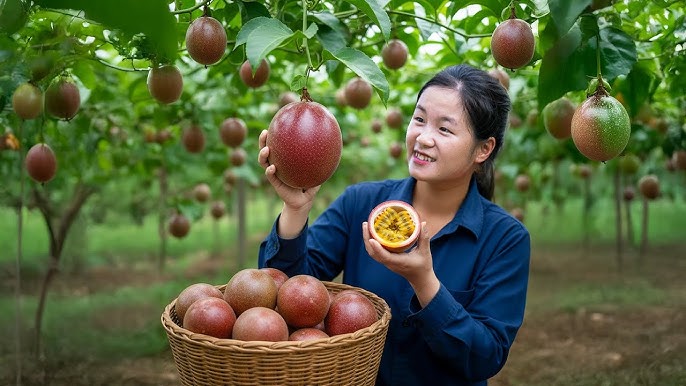
Preparation is crucial to reduce post-harvest losses:

- Tools Needed: Sharp pruning shears, clean baskets or crates, gloves for thorny vines.
- Harvest Technique: Cut the fruit along with a small portion of the stem to avoid damaging the pulp.
- Handling Fruits: Handle gently to prevent bruising, which reduces shelf life and market value.
Proper harvesting techniques ensure maximum quality and consumer satisfaction.
3. Post-Harvest Handling
After harvesting, proper care is essential for longer shelf life and better marketability:
- Sorting: Separate ripe, unripe, and damaged fruits. Only sell ripe, undamaged fruits for premium pricing.
- Cleaning: Wipe fruits gently with a dry cloth to remove dirt and debris. Avoid washing with water, which can increase fungal infections.
- Storage: Keep fruits in a cool, shaded place if immediate sale is not possible. Ideal storage temperature is 12–15°C with moderate humidity.
Well-handled fruits are more appealing and last longer on the market, increasing your chances of repeat buyers.
4. Packaging Passion Fruits for Market
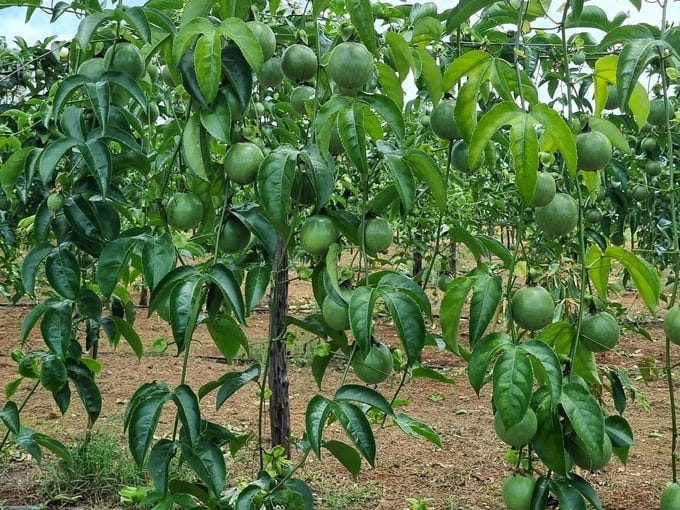
Packaging influences both presentation and transport safety:
- Baskets and Crates: Use ventilated crates to allow air circulation and reduce pressure on fruits.
- Individual Wrapping: For premium markets, wrap fruits in soft paper or foam sleeves.
- Labeling: Include origin, variety, and date of harvest to build customer trust and brand recognition.
Proper packaging reduces damage during transit and enhances market value.

5. Selling Passion Fruits in Local Markets
Local markets are ideal for immediate sales and community recognition:
- Pricing: Check competitor prices and adjust based on fruit quality and size.
- Display: Arrange fruits neatly with vibrant colors visible to attract buyers.
- Customer Engagement: Offer samples or tasting, educate customers about health benefits.
- Bulk Orders: Approach local restaurants, juice bars, and bakeries for bulk purchases.
Local sales help build a loyal customer base and maintain consistent income.
6. Marketing Strategies for Passion Fruits
Effective marketing maximizes both reach and profitability:
- Social Media: Post attractive photos and recipes on platforms like Facebook, Instagram, or TikTok.
- Branding: Create a unique farm brand to differentiate from competitors.
- Subscription Boxes: Offer weekly or monthly fruit delivery for urban customers.
- Value Addition: Produce juice, jams, or desserts to expand product range.
Marketing ensures your passion fruits reach more customers willing to pay premium prices.
7. Transporting Passion Fruits Safely
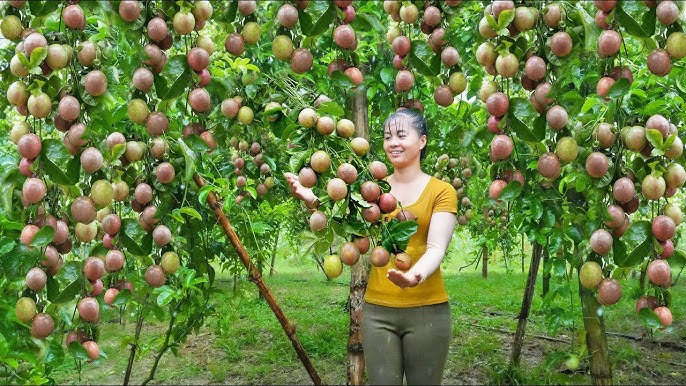
Transportation is critical to prevent damage before reaching the market:

- Vehicle: Use clean, dry vehicles with good ventilation.
- Layering: Place fruits in crates with soft padding to avoid crushing.
- Timing: Transport early in the morning to avoid heat exposure.
- Temperature Control: If possible, maintain a cool environment during transit.
Safe transport preserves fruit quality, taste, and appearance, which directly affects selling price.
8. Pricing Passion Fruits for Profit
Pricing depends on several factors:
- Fruit Size and Quality: Larger, wrinkle-free fruits fetch higher prices.
- Market Demand: Adjust based on peak or off-season availability.
- Local Competition: Understand what nearby farmers are charging.
- Value Addition: Fresh juice or packaged products allow higher profit margins.
Accurate pricing ensures maximum profit without discouraging buyers.
9. Expanding Sales Channels
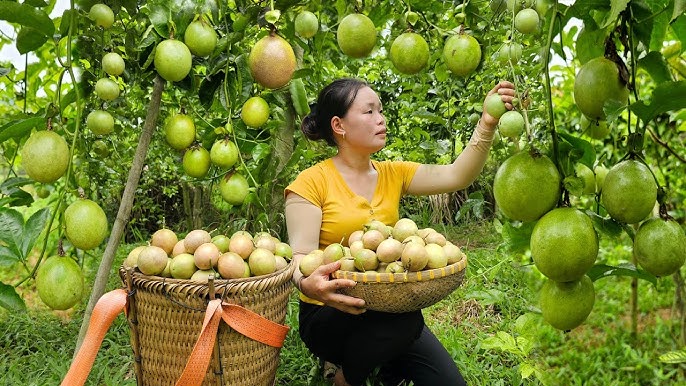
Beyond local markets, explore diverse sales channels:
- Wholesale Markets: Sell in bulk to fruit distributors or supermarkets.
- Online Delivery: Offer fruits via e-commerce platforms or social media.
- Farm-to-Table Partnerships: Supply local cafes, restaurants, or hotels.
- Community Events: Participate in farmers’ markets, fairs, and exhibitions to attract new customers.
Diversifying sales increases income stability and brand recognition.

10. Maximizing Yield for Bigger Profits
More fruits mean higher revenue. Tips to boost harvests:
- Regular Pruning: Maintain vine health and encourage more flowering branches.
- Fertilization: Use balanced organic or inorganic fertilizers to improve fruit size and number.
- Pollination: Ensure natural pollinators like bees have access, or hand-pollinate flowers for better fruit set.
- Pest Management: Regularly inspect vines for aphids, mealybugs, or fungal infections.
A healthy, well-maintained passion fruit vine can produce abundant harvests year after year, increasing overall profitability.
11. Using Huyen Bushcraft Techniques
Huyen Bushcraft emphasizes practical, low-cost, and effective methods for fruit cultivation:
- Sustainable Practices: Use organic fertilizers and natural pest repellents to reduce costs.
- Innovative Harvesting Tools: Adapt simple tools to harvest without damaging vines or fruits.
- Market Readiness: Plan harvest schedules based on market peak demand.
- Community Knowledge: Learn from other growers’ experiences to improve yield and marketing strategies.
Following these techniques ensures efficient production and profitable sales.
12. Common Challenges and How to Overcome Them
Growing and selling passion fruits comes with challenges:

- Fungal Infections: Ensure proper spacing, airflow, and avoid water on leaves.
- Fruit Cracking: Caused by irregular watering; maintain consistent soil moisture.
- Market Fluctuations: Diversify sales channels to avoid dependence on a single market.
- Labor Shortages: Train family members or hire temporary help during peak harvest.
Addressing challenges proactively ensures consistent harvests and income.
13. Final Thoughts
Selling passion fruits successfully involves more than just growing them. By combining proper harvesting techniques, careful post-harvest handling, effective packaging, and smart marketing, you can turn passion fruit cultivation into a profitable business.
Whether you sell at local markets, online, or directly to restaurants, applying Huyen Bushcraft’s practical methods ensures that your fruits are of the highest quality, attractive to buyers, and generate maximum profit. With dedication, attention to detail, and sustainable practices, your passion fruit venture can flourish year after year, delivering both delicious fruits and financial rewards.