Mangoes are rightly called the king of fruits—rich in flavor, sweet, and packed with nutrients. Imagine growing a premium mango tree at home from a store-bought mango and enjoying fresh, juicy fruits in the comfort of your garden. With the right care and method, this is entirely possible, even for beginners.
In this detailed 1200-word guide, we’ll explore how to grow premium mango trees from store-bought mangoes, from seed preparation to tree care, ensuring healthy growth and fruitful harvests.
Introduction: Why Grow Mangoes from Store-Bought Fruit?
Growing mangoes from premium store-bought fruits is an easy and cost-effective way to start your home orchard. The benefits include:
- Cost-saving: No need to purchase expensive saplings
- Home-grown quality: Control fertilizers and care for chemical-free fruits
- Sustainability: Reduces food waste by using seeds from eaten mangoes
- Fun and educational: Ideal for gardening enthusiasts and families
- Variety selection: Many premium mangoes (Alphonso, Kesar, Dasheri) can be grown from seeds
With patience and proper care, your seed-grown mango tree can develop into a healthy, fruit-bearing tree.
Step 1: Selecting the Right Mango
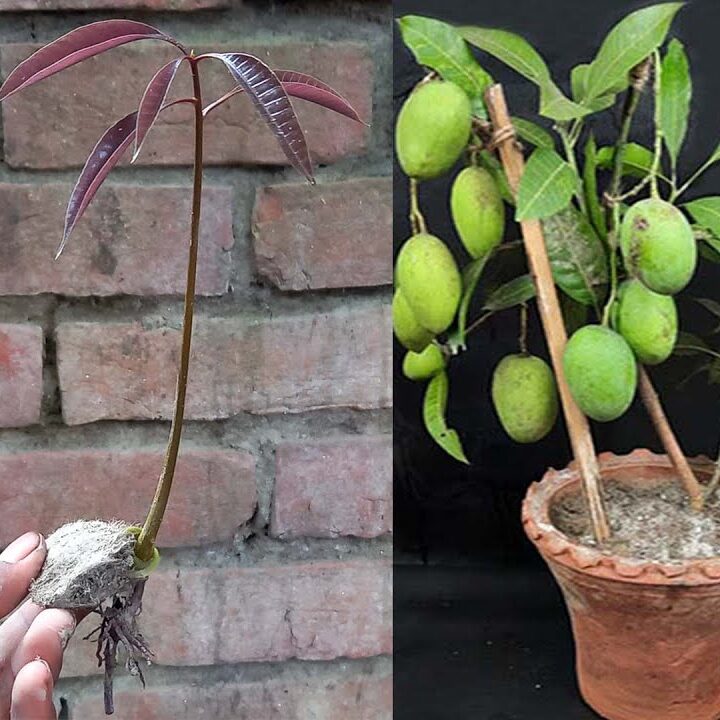
Not all mangoes are suitable for seed propagation. For best results:
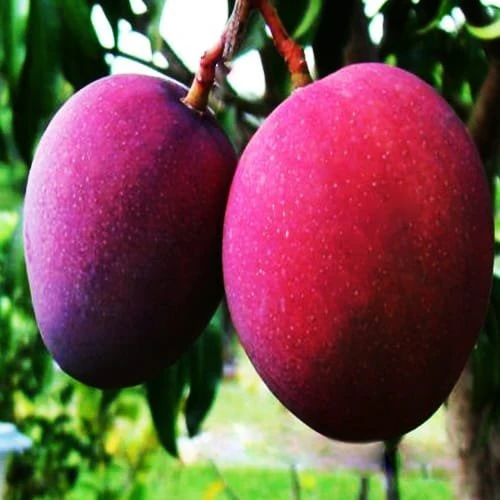
- Choose ripe, high-quality, premium mangoes from a trusted source
- Look for disease-free, large, and juicy fruits
- Varieties like Alphonso, Kesar, Dasheri, Himsagar, or Langra are ideal for sweet, flavorful mangoes
Tip: Opt for mangoes with healthy seeds—avoid fruits that are overripe, moldy, or damaged.
Step 2: Extracting and Preparing the Seed
The seed inside a mango is actually a kernel enclosed in a hard shell. Proper preparation is essential.
Steps to prepare the seed:
- Eat or remove the pulp carefully without damaging the seed inside.
- Wash the seed under running water to remove all mango flesh.
- Dry the seed lightly with a paper towel.
Mango seeds can be planted immediately for faster germination. Some gardeners prefer soaking seeds in water for 24 hours to soften the hard coat, enhancing sprouting.
Step 3: Choosing the Planting Method
Mango seeds can be grown using three primary methods:
1. Direct planting in soil
- Use a well-draining, fertile soil mix
- Plant the seed 1 inch deep with the convex side facing up
- Keep soil moist but not waterlogged
2. Using a polybag or pot
- Fill a pot with rich potting soil and compost
- Plant the seed and place in a warm, sunny spot
- Polybags allow easy transplantation once seedlings grow
3. Pre-sprouting (Optional)
- Wrap the seed in a damp paper towel inside a plastic bag
- Place in a warm, dark place
- Sprouts appear in 2–3 weeks and can then be transplanted
Tip: Polybags or pots are ideal for urban gardeners and those with limited space.
Step 4: Soil and Fertilizer Requirements
Mango trees grow best in fertile, well-drained soil.
Recommended soil mix:
- 50% garden soil
- 30% compost or well-rotted manure
- 20% sand for drainage
Mangoes are nutrient-loving plants. Incorporate organic fertilizers at planting to promote strong root and leaf growth. Bone meal or neem cake can be added to the soil for additional nutrients.
Step 5: Planting the Mango Seed
- Fill a polybag or pot with prepared soil.
- Plant the mango seed with the convex side up, about 1 inch deep.
- Water lightly to settle the soil around the seed.
- Place the bag in a sunny location (6–8 hours of sunlight daily).
Tip: Avoid planting in very cold or very wet conditions—mango seeds prefer warmth and moderate moisture.
Step 6: Watering and Moisture Care
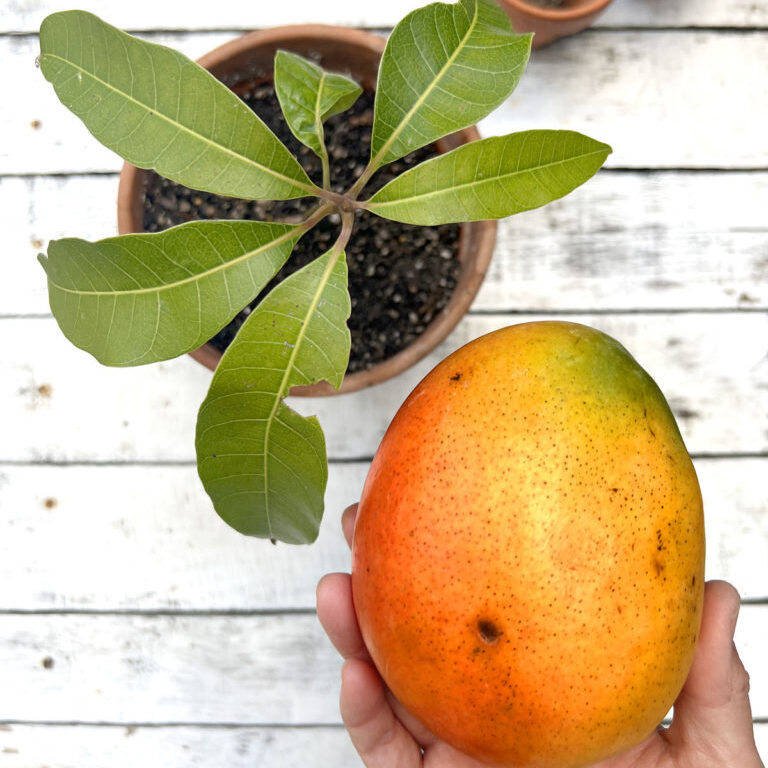
Watering is critical for healthy seedling growth:
- Keep the soil moist but not waterlogged
- Reduce watering slightly once the seedling grows to prevent root rot
- Mulch around the base to retain soil moisture and reduce evaporation
Young seedlings are sensitive to overwatering, so always check soil moisture before watering.
Step 7: Germination and Early Seedling Care
Mango seeds typically germinate in 2–4 weeks, depending on temperature and seed health.
Tips for healthy seedlings:
- Thin weaker seedlings if multiple sprouts appear from one seed
- Provide sunlight and avoid shaded areas
- Fertilize lightly with liquid compost or diluted organic fertilizer every 2–3 weeks
Tip: Avoid heavy chemical fertilizers during early growth to prevent burning young roots.
Step 8: Transplanting Mango Seedlings
Once seedlings are 6–12 inches tall with strong roots, they can be transplanted into larger pots or directly into the ground.
Steps for transplantation:
- Select a well-drained sunny spot or larger container
- Dig a hole twice the size of the root ball
- Place the seedling carefully and cover roots with soil
- Water lightly and provide support if needed
Spacing for multiple trees: Maintain 12–15 feet apart for mature growth.
Step 9: Sunlight and Temperature Requirements
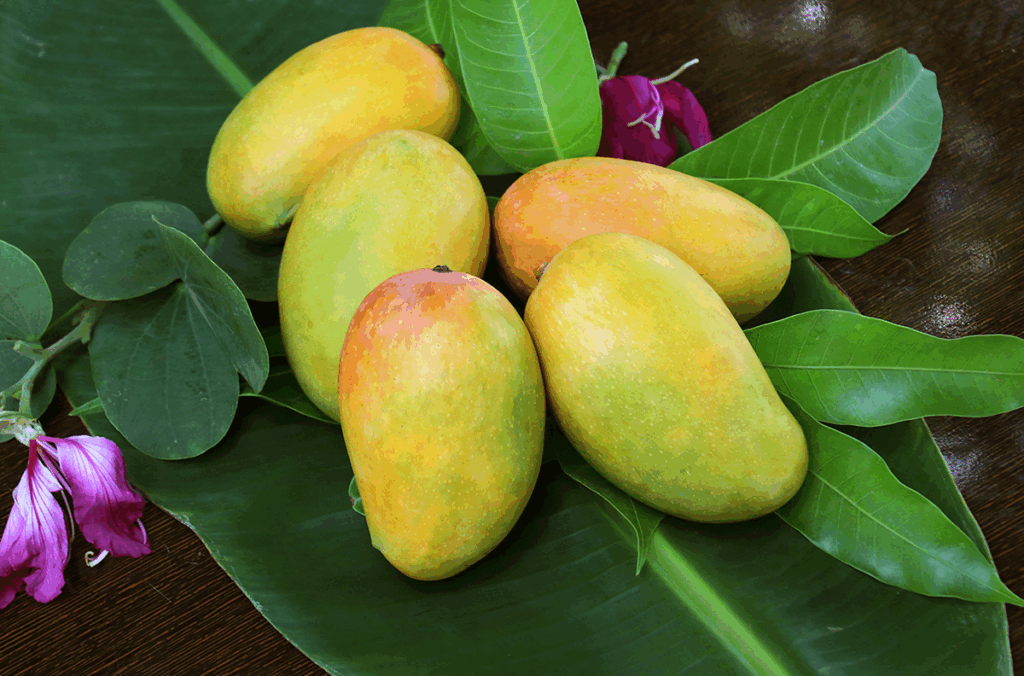
Mango trees thrive in tropical and subtropical climates:
- Sunlight: At least 6–8 hours per day
- Temperature: 24°C–35°C is ideal for growth
- Protect seedlings from frost or extreme cold
Proper sunlight ensures healthy leaves, strong stems, and abundant flowering.
Step 10: Fertilization and Growth Care
Mango trees are heavy feeders, especially during first few years:
- Young trees: Use nitrogen-rich fertilizer for leafy growth
- Flowering stage: Switch to phosphorus and potassium to promote buds and fruits
- Organic options: Compost, vermicompost, and mulching improve soil fertility
Tip: Prune lightly to remove weak branches and encourage stronger growth.
Step 11: Pest and Disease Management
Mango trees may attract pests or diseases:
Common pests:
- Aphids, mealybugs, mango hoppers, caterpillars
Common diseases:
- Powdery mildew, anthracnose, root rot
Management:
- Neem oil spray for pest control
- Copper fungicide or organic options for fungal infections
- Avoid waterlogging and provide good airflow
Healthy trees are more resistant to pests and produce better fruits.
Step 12: Flowering and Fruiting
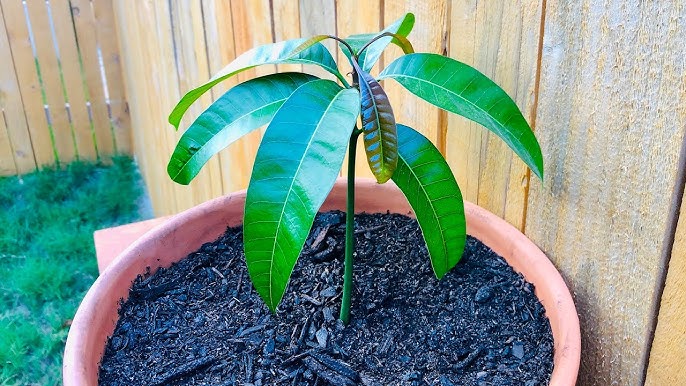
Premium mango trees may take 3–5 years to bear fruit when grown from seed, depending on the variety.
- Flowering: Occurs in winter or spring
- Pollination: Natural insects like bees help, but hand pollination can improve fruit set
- Fruit development: Fruits mature over 3–6 months, depending on variety
Tip: Water and nutrient management during flowering is crucial for large, sweet mangoes.
Step 13: Harvesting Premium Mangoes
- Harvest fruits when they are fully mature but firm
- Color varies with variety—Alphonso turns bright yellow, Kesar turns golden orange
- Cut fruits carefully to avoid damaging stems
Tip: Patience is key—home-grown mangoes from seed may take a few years but are much sweeter and healthier than store-bought fruits.
Step 14: Long-Term Care for Healthy Trees
- Mulch around the base to retain moisture
- Prune dead or diseased branches annually
- Fertilize during growth and fruiting season
- Protect from extreme weather using shade nets if necessary
With consistent care, mango trees can produce fruit for decades, providing continuous harvests of premium-quality mangoes.
Benefits of Growing Mango from Store-Bought Premium Fruit
- Home-grown sweetness: Fresh and chemical-free
- Cost-effective: Save money on saplings
- Eco-friendly: Reduce food waste by planting seeds
- Fun and educational: Great for families and children
- Sustainable: Trees live and produce fruits for many years
- Variety control: Grow your favorite premium mango variety
Conclusion: Grow Premium Mango Trees at Home
Growing premium mango trees from store-bought mangoes is simple, sustainable, and rewarding. With careful selection of seeds, proper soil preparation, consistent watering, and pest management, you can nurture seedlings into healthy, fruit-bearing trees.
Patience is key—premium mangoes may take a few years to bear fruit, but the taste and satisfaction of eating home-grown, sweet, juicy mangoes are unmatched. Start today, and enjoy your very own mini orchard of premium mangoes, straight from the garden to your table.