Dragon fruit, also known as pitaya, is an exotic and nutrient-packed fruit with a stunning pink or yellow exterior and vibrant white or red flesh dotted with tiny black seeds. Its sweet flavor, unique appearance, and health benefits make it a favorite among fruit lovers. But did you know you can grow your own dragon fruit from a store-bought fruit? Yes! With proper care, you can cultivate a thriving dragon fruit plant right in your garden, balcony, or even in a large pot.
In this comprehensive guide, we’ll explore step-by-step how to grow dragon fruit from store-bought fruit, covering seed extraction, planting, care, and harvesting, ensuring juicy, healthy fruits year after year.
Introduction: Why Grow Dragon Fruit at Home?
Dragon fruit is not just exotic; growing it at home has several advantages:
- Freshness: Enjoy the sweetness and nutrients of freshly harvested dragon fruit.
- Cost-effective: Instead of buying expensive fruits regularly, grow your own.
- Sustainability: Reduce waste by planting seeds from the fruit you eat.
- Fun and educational: Great for gardening enthusiasts, families, and kids.
- Aesthetic value: Dragon fruit plants are climbing cacti, making them perfect for vertical gardens or trellis displays.
By growing your own, you also gain control over pesticides and fertilizers, producing organic, healthy fruit.
Step 1: Selecting the Right Dragon Fruit
To grow a healthy plant:
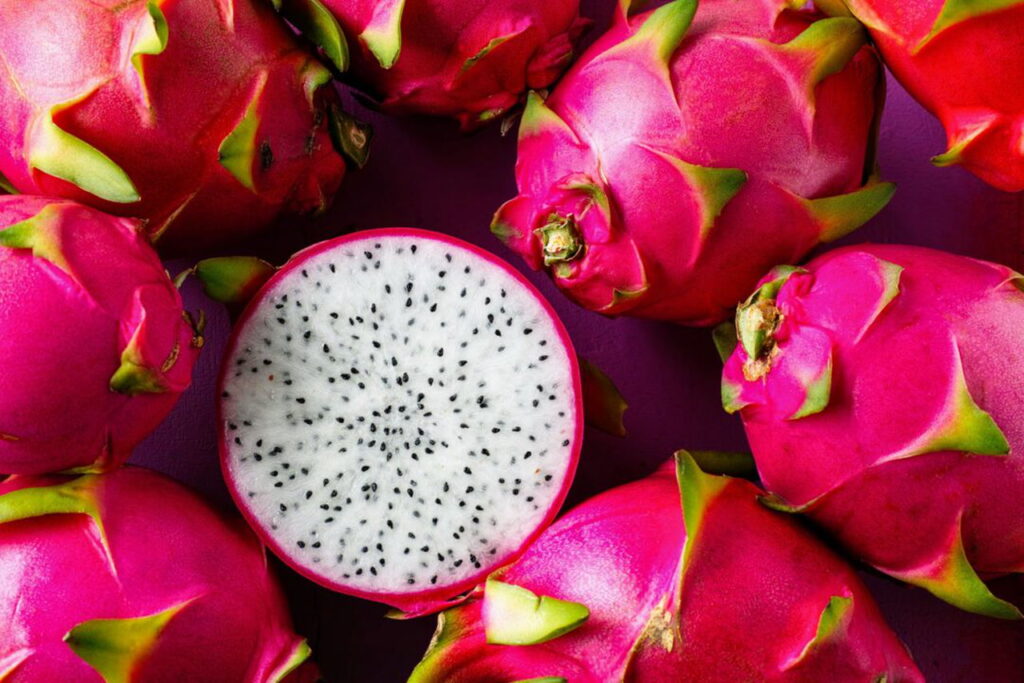
- Choose a ripe, healthy dragon fruit from a store or market.
- Look for fruit with vibrant color and firm skin, without mold or bruises.
- Choose the variety according to your taste preference:
- Hylocereus undatus – White flesh, mild sweetness
- Hylocereus costaricensis – Red flesh, slightly tangy
- Hylocereus megalanthus – Yellow skin with white flesh, very sweet
Tip: Larger fruits usually contain more viable seeds, increasing the chances of successful germination.

Step 2: Extracting and Preparing Seeds
Dragon fruit seeds are embedded in the pulp. Extracting them properly is crucial:
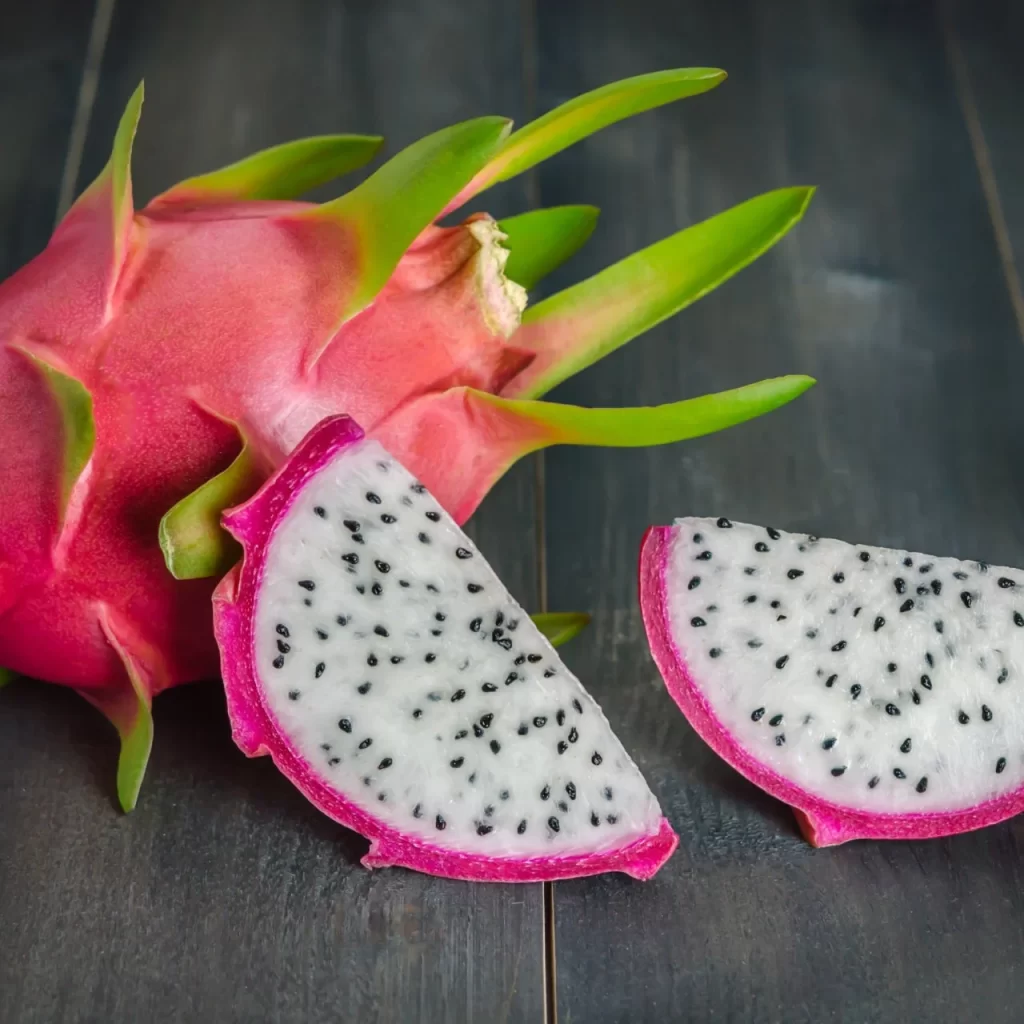
- Cut the fruit in half.
- Scoop out the flesh into a bowl.
- Gently rinse the pulp under water, separating the black seeds.
- Dry seeds on a paper towel for a few hours.
Optional: Soak seeds in warm water for 24 hours to soften the seed coat, improving germination success.
Step 3: Germinating Dragon Fruit Seeds
Materials Needed:
- Seed tray or small pots
- Well-draining soil mix (50% potting soil + 30% sand + 20% compost)
- Plastic cover or humidity dome (optional)
Steps:
- Fill seed tray with the soil mix.
- Scatter seeds on the surface and cover lightly with a thin layer of soil.
- Mist the soil to keep it moist but not waterlogged.
- Cover with a plastic dome or wrap to retain humidity.
- Place in a warm, sunny location, ideally 25°C–30°C.
Germination: Seeds usually sprout in 1–4 weeks depending on temperature and seed quality.
Step 4: Preparing Seedlings for Transplanting
Once seedlings develop 3–4 true leaves and are about 4–6 inches tall, they are ready for transplanting.
- Transplant to individual pots to prevent overcrowding.
- Use well-draining soil and ensure pots have drainage holes.
- Place seedlings in partial sunlight, gradually acclimating them to full sun over a week.
Tip: Healthy seedlings at this stage are more likely to produce strong, productive plants.
Step 5: Choosing the Right Location for Mature Plants
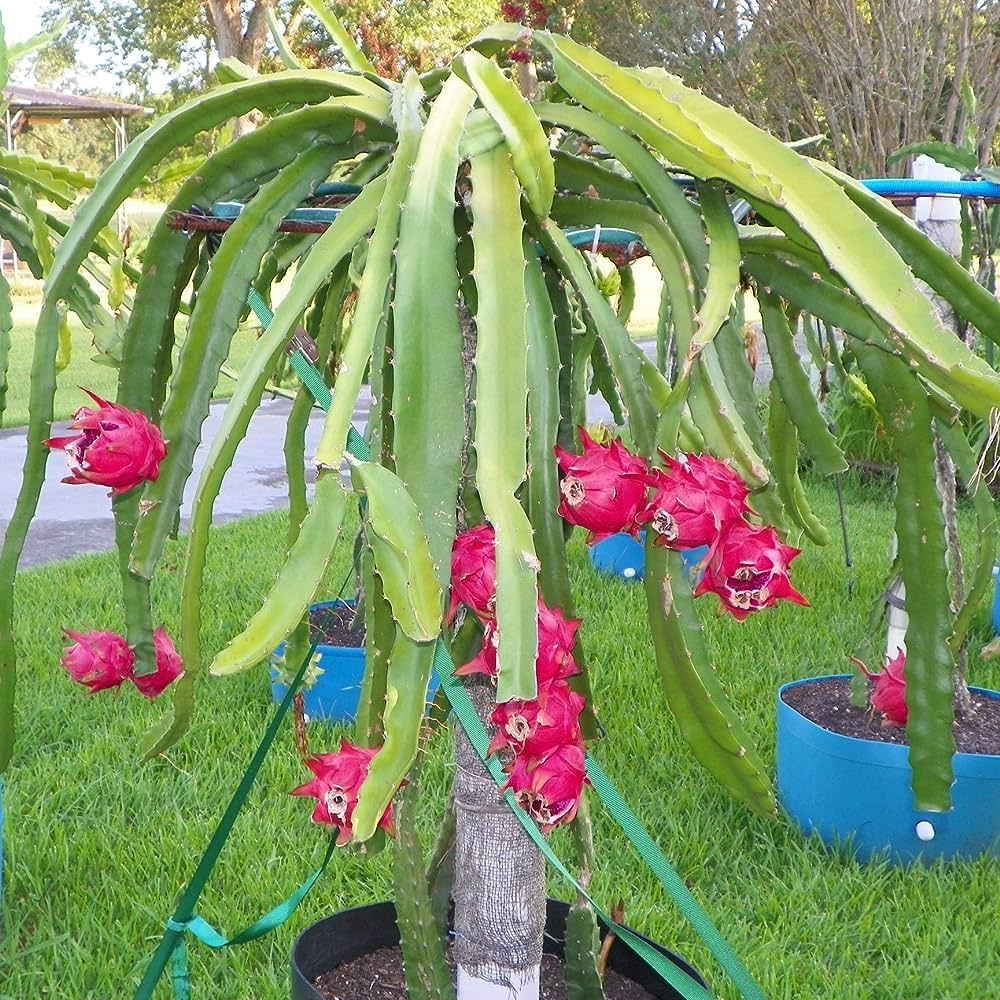
Dragon fruit is a climbing cactus, so proper support is essential:

- Garden planting: Plant near trellises, walls, or sturdy poles.
- Pot planting: Use large pots (15–20 inches) with a strong trellis.
- Sunlight: 6–8 hours of direct sunlight daily.
- Climate: Tropical or subtropical climates are ideal. They tolerate light frost, but young plants need protection.
Tip: Vertical planting saves space and improves fruit exposure to sunlight.
Step 6: Soil and Fertilization for Optimal Growth
Dragon fruit thrives in slightly acidic, sandy, well-draining soil:
- Soil pH: 6–7
- Fertility: Incorporate compost or organic manure
- Fertilization:
- Seedlings: Light feeding with nitrogen-rich fertilizer
- Mature plants: Balanced NPK fertilizer every 2 months, increase phosphorus and potassium during flowering
Tip: Mulch around the base to retain moisture and control weeds.
Step 7: Watering and Moisture Management
Though drought-tolerant, dragon fruit plants need consistent watering, especially during growth and flowering:
- Water deeply once or twice a week, depending on weather.
- Ensure soil drains well to prevent root rot.
- Reduce watering during winter or dormant periods.
Tip: Overwatering is the most common mistake—let the soil dry slightly between watering sessions.
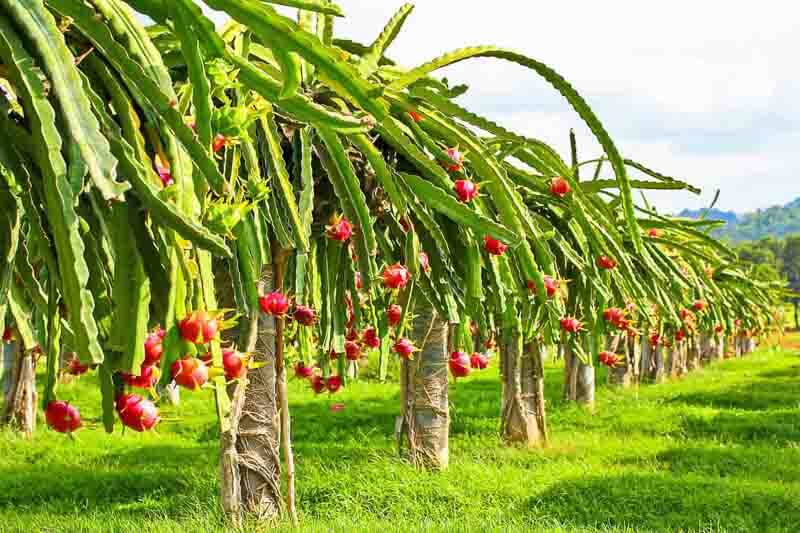
Step 8: Supporting and Training the Plant
Dragon fruit grows as a climbing cactus, requiring structural support:
- Install a sturdy trellis, fence, or T-post.
- Train young stems to climb the support, tying loosely with garden ties.
- Prune side shoots to encourage vertical growth and more flowering.
Proper support ensures healthy growth, easier harvesting, and better fruit production.
Step 9: Flowering and Pollination
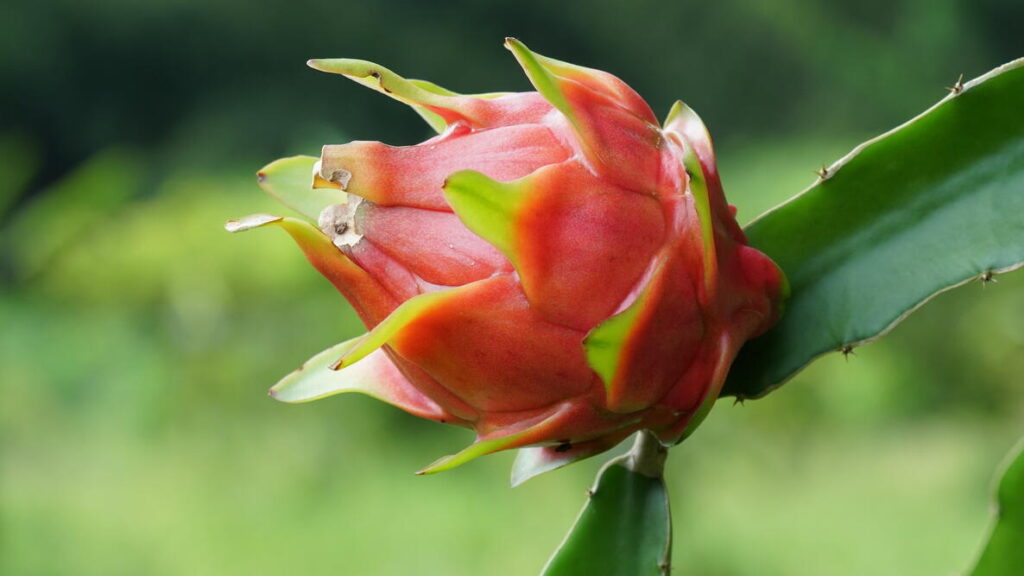
Dragon fruit plants begin flowering in 6–12 months from seed, sometimes longer for seedlings.
- Flowers bloom at night and are pollinated by bats, moths, or bees.
- Hand pollination improves fruit set:
- Use a soft brush to transfer pollen from stamen to stigma
- Repeat for multiple flowers to increase yield
Tip: Flowering signals the start of fruit development, so provide adequate water and nutrients.
Step 10: Fruit Development and Harvesting
Dragon fruit matures 30–50 days after flowering, depending on variety and climate.
Harvesting Tips:
- Fruits are ready when the skin turns vibrant pink, red, or yellow
- Slight softening indicates ripeness, but avoid overripe fruits
- Cut fruits with scissors or pruners to prevent stem damage
Tip: Harvest regularly to encourage continuous flowering and fruiting.
Step 11: Common Problems and Solutions
- Pests: Aphids, mealybugs, and scale insects – use neem oil or insecticidal soap
- Diseases: Root rot from overwatering; fungal infections – ensure proper drainage and airflow
- Etiolation: Stretched stems due to insufficient sunlight – move plant to sunny location
Preventive care: Regular inspection, proper watering, and pruning improve plant health.
Step 12: Propagation for More Plants
Dragon fruit is easy to propagate from cuttings, allowing you to expand your garden or gift plants:
- Take a healthy stem cutting (12–18 inches long)
- Allow it to dry for a few days to form a callus
- Plant in well-draining soil and water lightly
- New roots develop in 2–3 weeks
Tip: Propagation ensures you never run out of plants, echoing the joy of sharing dragon fruits with friends and family.
Step 13: Benefits of Growing Dragon Fruit at Home
- Fresh, sweet, and chemical-free fruits
- Cost-saving over buying premium fruits
- Educational and enjoyable gardening activity
- Beautiful ornamental value with climbing cactus growth
- Sustainable and rewarding, with fruits for years once mature
Growing dragon fruit is not just about the fruit—it’s about the experience, patience, and reward of nurturing something extraordinary from seed.
Conclusion: Your Homegrown Dragon Fruit Journey
Growing dragon fruit from store-bought fruit is fun, cost-effective, and rewarding. From extracting seeds to nurturing seedlings and supporting mature plants, the process teaches patience, care, and sustainable gardening.
With the right conditions—sunlight, soil, water, and support—your dragon fruit plant will thrive, rewarding you with juicy, exotic fruits for years to come.
Start today, and transform your balcony, garden, or patio into a homegrown dragon fruit paradise, enjoying not just the fruit, but the thrill of growing something extraordinary.