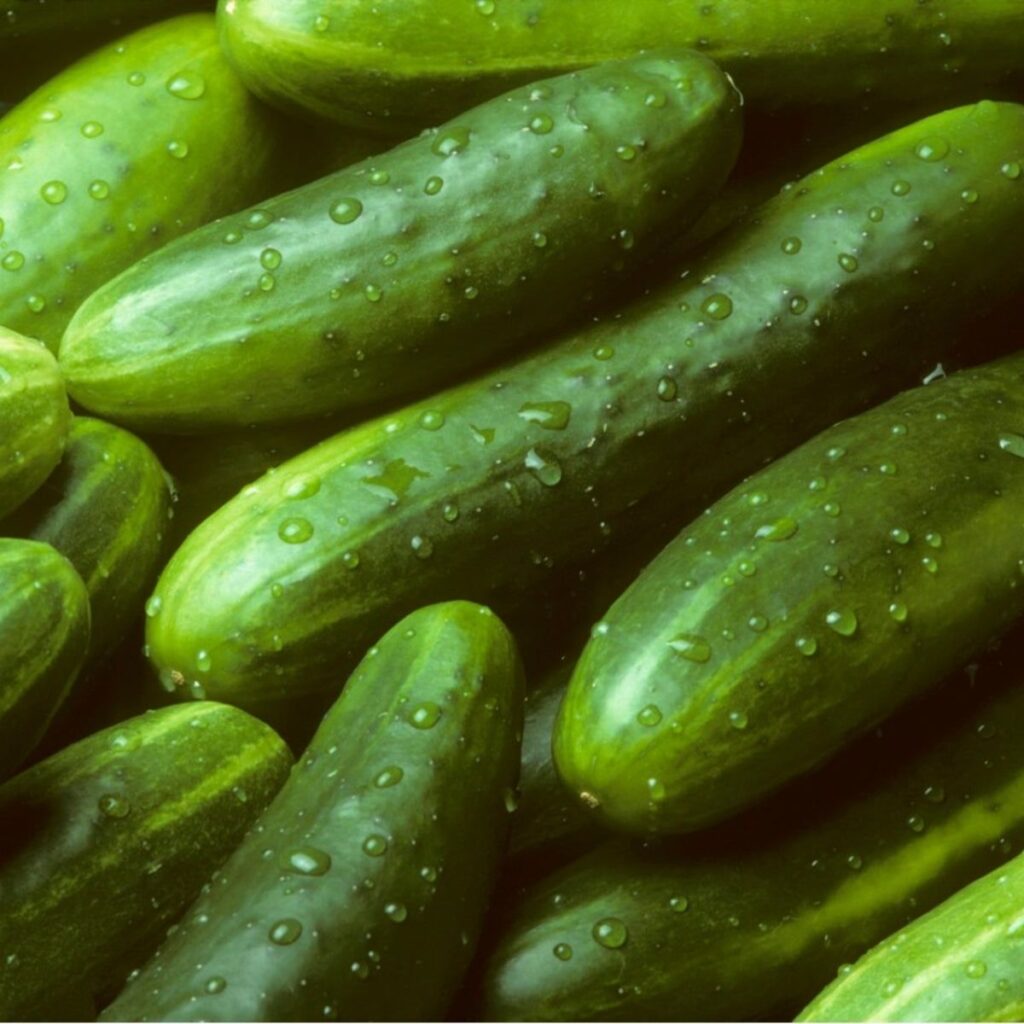
Cucumbers are one of the most refreshing and versatile vegetables, perfect for salads, pickles, and healthy snacks. But what if you don’t have a backyard or a traditional garden? The good news is, with the right techniques, you can grow cucumbers continuously in small spaces like balconies, terraces, or even indoors. This method allows you to enjoy fresh, homegrown cucumbers year-round, without the need for a full garden.
In this guide, we’ll explore step-by-step methods to grow cucumbers continuously, tips for maintaining healthy plants, and strategies to maximize yield in limited space.
1. Why Grow Cucumbers at Home?
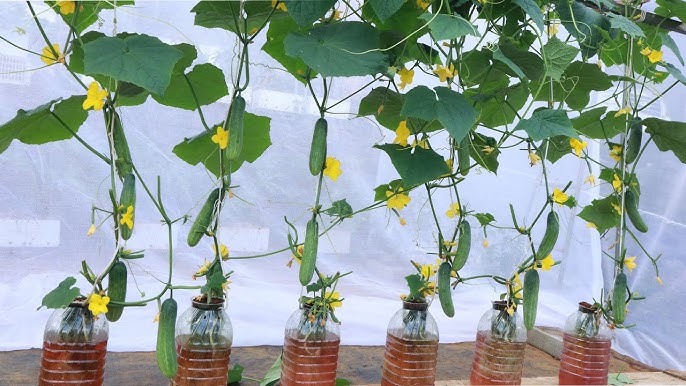
Growing cucumbers at home has many benefits:
Health Benefits
- Rich in vitamins K and C
- High in water content, keeping you hydrated
- Low in calories, perfect for healthy diets
- Packed with antioxidants and fiber
Practical Advantages
- Fresh and chemical-free
- Continuous supply throughout the growing season
- Cost-effective compared to buying from stores
- Fun and rewarding for beginners and experienced gardeners alike
Homegrown cucumbers taste sweeter, are crisper, and are free from chemical sprays often used in commercial farming.
2. Choosing the Right Container for Continuous Harvesting
Without a garden, containers are essential. Cucumbers grow well in pots, buckets, or recycled containers, provided they are deep enough and have proper drainage.
Ideal Container Specifications
- Size: At least 12–18 inches deep, with a similar width
- Material: Plastic, fabric pots, or recycled boxes
- Drainage: Holes at the bottom to prevent waterlogging
For continuous harvests, larger containers allow the plant to develop more roots, which supports prolonged flowering and fruiting.
3. Selecting the Right Cucumber Variety
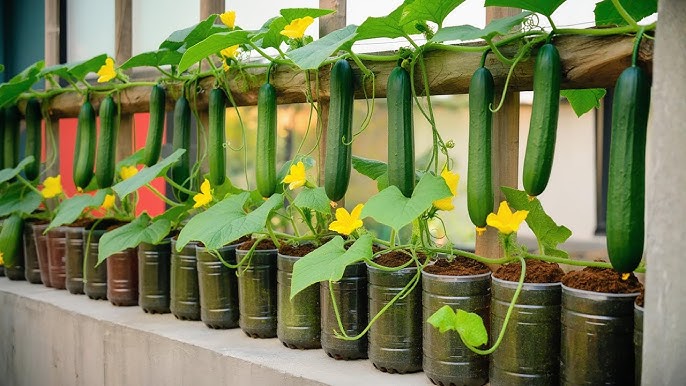
Some cucumber varieties are better suited for container growing and continuous harvest.
Recommended Varieties
- Bush-type cucumbers: Compact and ideal for small spaces
- Parthenocarpic varieties: Produce fruit without pollination, perfect for indoor growing
- Pickling cucumbers: Grow fast and yield multiple harvests
Choose varieties labeled “continuous bearer” or “vining type suitable for containers” for extended production.
4. Planting Cucumbers for Maximum Yield
From Seeds
- Prepare seed trays: Use nutrient-rich soil or seed-starting mix
- Sow seeds 1 inch deep
- Keep soil moist and warm until germination (7–10 days)
From Seedlings
- Purchase strong seedlings from nurseries
- Transplant carefully into prepared containers
- Water immediately after planting to reduce transplant shock
Spacing Tips
- Space seeds or seedlings 6–12 inches apart in the container
- Adequate spacing prevents overcrowding and promotes airflow
5. Using Vertical Space for Continuous Harvest
Cucumbers are vining plants, which makes them perfect for vertical growing systems.
Trellis Method
- Use a trellis, bamboo poles, or mesh netting
- Train vines to climb upward, freeing container space
- Vertical growing reduces disease, increases sun exposure, and produces straighter cucumbers
Hanging Planters
- Consider hanging baskets or pots with support strings
- Great for small balconies or terraces
Vertical gardening is key to continuous harvesting, as it encourages the plant to keep flowering and fruiting.

6. Watering and Soil Care
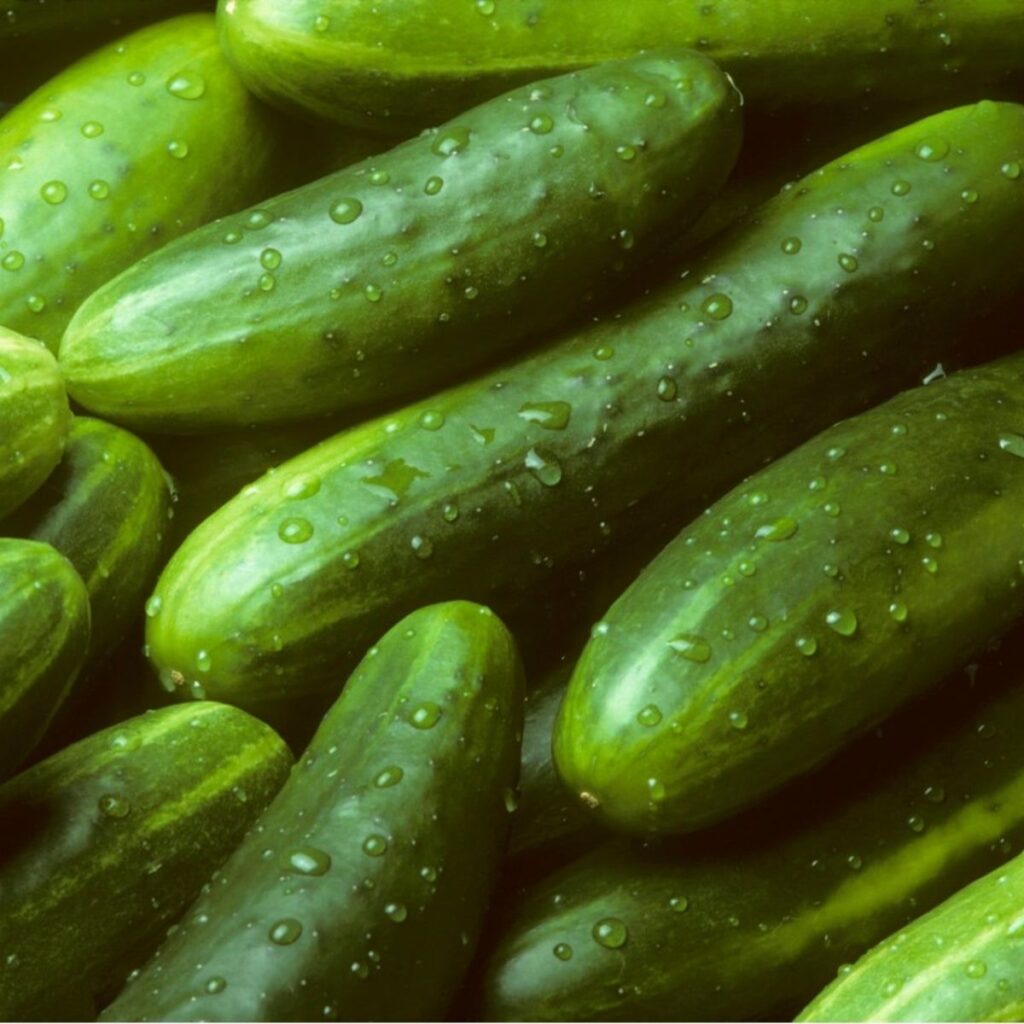
Cucumbers thrive with consistent moisture and nutrient-rich soil.
Watering Tips
- Keep soil evenly moist but not waterlogged
- Water in the morning to reduce evaporation and fungal problems
- Avoid wetting the leaves to prevent mildew
Soil Tips
- Use loamy, well-drained soil
- Mix in compost, vermicompost, or organic fertilizer
- Replace or refresh the soil every season for maximum productivity
Proper watering and soil care support healthy growth and continuous flowering.
7. Fertilizing for Continuous Harvest
For cucumbers to produce fruit continuously, regular feeding is essential.
Fertilization Schedule
- Seedling stage: Light feeding with balanced fertilizer after 2 weeks
- Vegetative stage: Feed weekly with nitrogen-rich liquid fertilizer
- Flowering & fruiting stage: Switch to phosphorus and potassium-rich fertilizer to promote blooms and fruit development
Organic Options
- Compost tea
- Fish emulsion
- Seaweed extract
Regular feeding ensures lush leaves, abundant flowers, and extended fruiting.
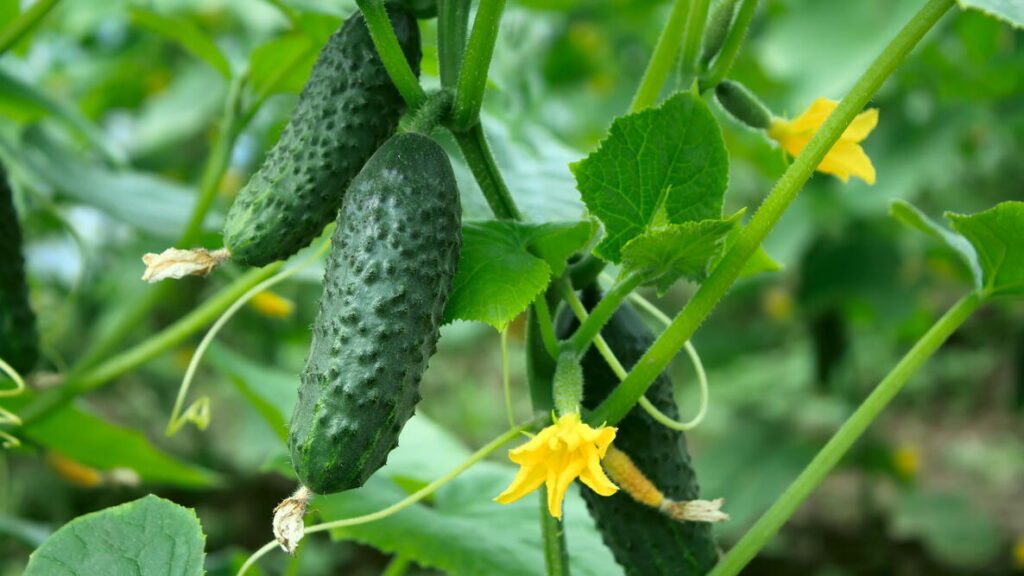
8. Pollination Tips for Indoor or Container Plants
Some cucumber varieties require pollination to bear fruit.
Manual Pollination
- Use a small paintbrush or cotton swab to transfer pollen from male to female flowers
- Ideal for indoor plants or containers without natural pollinators
Self-Pollinating Varieties
- Choose parthenocarpic cucumbers that do not require pollination
- Perfect for continuous indoor harvests
Pollination is critical for consistent fruit set, especially when natural pollinators are absent.
9. Pruning and Training for Maximum Yield
Pruning helps cucumbers grow more efficiently and prolongs the harvest period.
Pruning Tips
- Remove yellowing or damaged leaves
- Trim excess lateral shoots to focus energy on main vines
- Pinch off old flowers that failed to develop fruit
Training the Vine
- Regularly guide vines along the trellis
- Prevent tangling and maximize sun exposure
Pruning and training support healthy plants and steady production.
10. Pests and Disease Management
Even container cucumbers can face pests and diseases. Common issues include:
Pests
- Aphids
- Spider mites
- Whiteflies
Diseases
- Powdery mildew
- Downy mildew
- Bacterial wilt
Prevention
- Keep plants well-spaced and ventilated
- Spray neem oil or mild soap solutions regularly
- Remove infected leaves promptly
Healthy plants produce more flowers and fruits for continuous harvest.

11. Harvesting Cucumbers Continuously
Timing is key to keeping the harvest going.
When to Pick
- Cucumbers are best harvested 6–8 inches long, depending on variety
- Pick regularly, every 2–3 days, to encourage new flowers
- Avoid letting cucumbers become overripe, as this slows further fruiting
Harvesting Technique
- Use pruning shears or scissors to cut fruit gently
- Handle carefully to prevent bruising
- Harvest in the morning for optimal freshness
Continuous harvesting ensures the plant keeps producing throughout the growing season.
12. Storage of Freshly Harvested Cucumbers
- Store unwashed cucumbers in the refrigerator for up to a week
- Keep in a perforated plastic bag to maintain humidity
- Wash and use immediately for salads, pickles, or cooking
Proper storage keeps cucumbers crisp, fresh, and flavorful.
13. Tips for Year-Round Cucumber Production
- Use greenhouses or indoor growing to extend the season
- Start succession planting every few weeks for continuous supply
- Rotate containers and soil to prevent nutrient depletion
- Monitor for pests and maintain healthy growth
Following these steps allows cucumbers to produce fruit continuously, even without a traditional garden.
14. Benefits of Growing Cucumbers Without a Garden
- No need for a large backyard or farmland
- Space-efficient and ideal for urban living
- Fresh, chemical-free vegetables at your doorstep
- Fun and educational for families or urban gardeners
This method combines sustainability, convenience, and productivity in small spaces.

15. Final Thoughts
Growing cucumbers continuously without a garden is easy, practical, and highly rewarding. By using containers, vertical supports, proper watering, fertilization, and regular harvesting, you can enjoy fresh cucumbers year-round, even on a balcony or terrace.
With the right care, these plants will thrive, producing crisp, juicy cucumbers for salads, pickles, or snacking, proving that you don’t need a traditional garden to enjoy homegrown vegetables.