Ginger, often referred to as the “miracle root,” is one of the most valuable spices and medicinal crops in the world. From culinary uses to health remedies, its demand is ever-growing. What makes ginger particularly remarkable is its ability to provide continuous harvests with proper cultivation techniques. In this masterclass, we’ll explore how you can plant ginger once and create a sustainable, long-term harvest that keeps on giving.
Why Ginger is a Valuable Crop
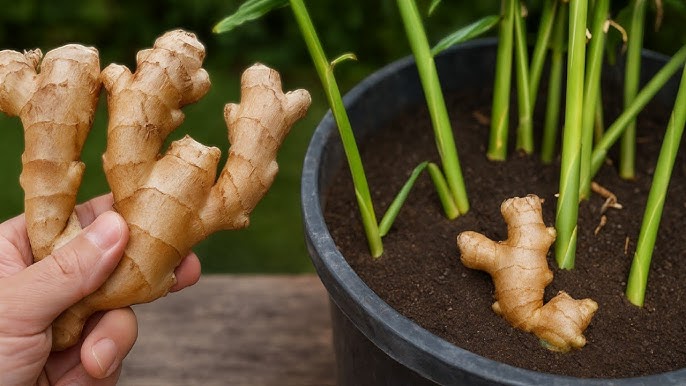
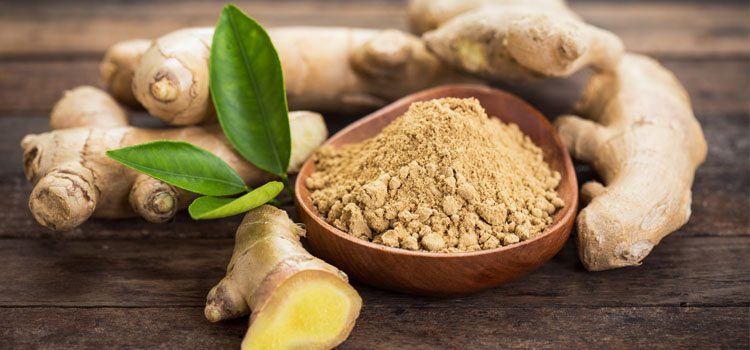
Ginger is not just a flavorful spice—it has immense economic and health value. It contains compounds like gingerol and shogaol, which are known for their anti-inflammatory, antioxidant, and digestive benefits. In addition, ginger’s versatility allows it to be used fresh, dried, powdered, or as oil and extract in pharmaceuticals, cosmetics, and food products.
For farmers, ginger is a high-return crop. With the right techniques, a single planting can yield harvests for multiple seasons, making it an ideal investment for both small-scale growers and commercial farmers.
Choosing the Right Variety
The first step in successful ginger cultivation is selecting the right variety. Some varieties are better suited for high-yield commercial production, while others excel in flavor or medicinal properties. Popular varieties include:
- Zingiber officinale Roscoe: Commonly used for culinary purposes.
- Indian varieties (e.g., Maran, Rio-de-Janeiro): Known for their high oil content and robust flavor.
- Organic or specialty varieties: Cater to niche markets demanding high-quality, chemical-free produce.
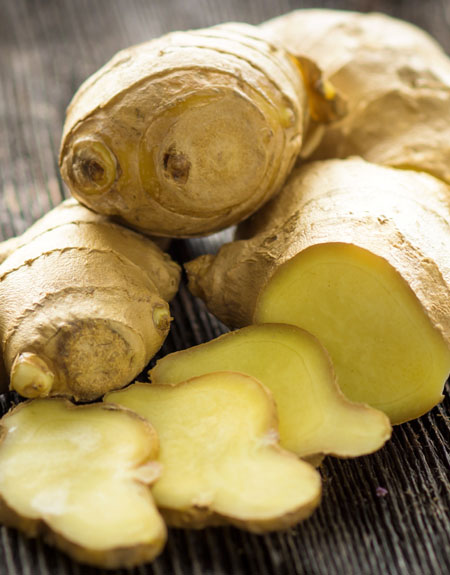
Select disease-free, healthy rhizomes with visible buds. Each rhizome segment should ideally have 2–3 eyes (germination points) for successful planting.
Soil and Site Preparation
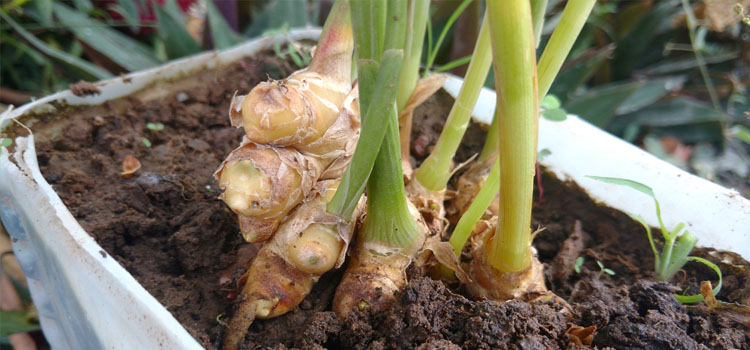
Ginger thrives in well-drained, fertile soils rich in organic matter. Sandy loam or loamy soils with slightly acidic to neutral pH (5.5–6.5) are ideal. Avoid heavy clay soils that retain water and can cause root rot.
Steps for soil preparation:
- Clear the Field: Remove weeds, rocks, and debris.
- Loosen the Soil: Use a spade or tiller to break up compacted soil to a depth of 20–30 cm.
- Incorporate Organic Matter: Mix well-rotted compost, cow dung, or green manure into the soil. This improves fertility, texture, and water-holding capacity.
- Raise Beds: Ginger prefers slightly elevated beds to prevent waterlogging, especially in areas with heavy rainfall.
Planting Ginger
Ginger is propagated through rhizomes rather than seeds. The planting technique is simple but requires careful handling to ensure maximum germination and healthy growth.
Planting guidelines:
- Rhizome Preparation: Cut large rhizomes into small pieces, each with 2–3 buds. Allow them to air-dry for a day to prevent fungal infections.
- Spacing: Plant rhizomes 15–20 cm apart within rows, and space rows 30–40 cm apart. Proper spacing ensures good aeration and easier harvesting.
- Depth: Plant the rhizome 5–7 cm deep, with buds facing upwards. Cover with soil and gently firm it.
- Watering: Water immediately after planting to settle the soil, but avoid waterlogging.
Care and Maintenance
To achieve a “plant once, harvest forever” system, continuous care is essential during the growing period:
- Water Management: Ginger requires consistent moisture, especially during active growth. Drip irrigation is ideal for maintaining even soil moisture and conserving water.
- Mulching: Apply organic mulch such as straw, leaves, or coir to retain moisture, suppress weeds, and add nutrients as it decomposes.
- Fertilization: Feed ginger plants every 6–8 weeks with a combination of organic compost and balanced NPK fertilizer. Focus on potassium-rich fertilizers to enhance rhizome growth.
- Weed Control: Regularly remove weeds to reduce competition for nutrients and sunlight. Mulching helps minimize this task.
- Pest and Disease Management: Monitor for pests like shoot borers, aphids, and nematodes. Fungal infections such as rhizome rot can be prevented with proper drainage, crop rotation, and fungicidal treatments if needed.
Continuous Harvesting Techniques
Unlike annual crops, ginger can provide staggered harvests, allowing farmers to reap benefits over an extended period. This is achieved through partial harvesting and proper rhizome management:
- Partial Harvesting: Once the plant is 8–10 months old, carefully dig around the edges of the bed to collect mature rhizomes while leaving the central growing portion intact. This allows the plant to continue producing new rhizomes.
- Replanting Rhizomes: Small rhizome segments from the partial harvest can be replanted to maintain continuous growth, creating a self-sustaining system.
- Succession Planting: Plant new rhizome sections every few months in different beds to ensure a year-round supply of fresh ginger.
By following these techniques, a farmer can maintain a perennial ginger patch that produces harvests for several years from a single planting.
Harvesting Ginger
Ginger is generally ready for full harvest 8–10 months after planting. Signs of maturity include yellowing leaves and a reduction in new shoot growth.
Steps for harvesting:
- Loosen the soil around the rhizomes using a fork or spade.
- Carefully lift the rhizomes to avoid bruising or cutting.
- Clean off excess soil and sort rhizomes based on size and quality.
- Cure ginger by drying in shade for a few days to extend shelf life.
Staggered or partial harvesting ensures that farmers have a continuous supply without sacrificing plant health.
Post-Harvest Handling and Storage
Proper handling after harvesting is crucial for maintaining ginger quality and market value:
- Cleaning: Wash rhizomes to remove soil. Avoid soaking to prevent fungal growth.
- Drying: Air-dry ginger in shaded areas. Avoid direct sunlight, which can damage flavor and texture.
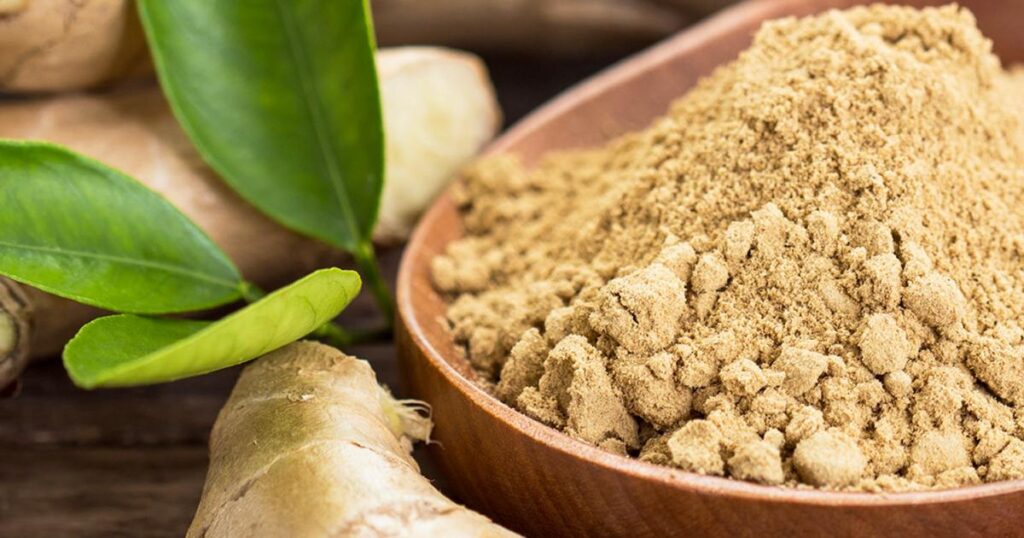
- Storage: Store in cool, dry, and ventilated areas. Ginger can also be processed into powders, pastes, or oils for extended shelf life.
Economic Benefits of Perennial Ginger Farming
The “plant once, harvest forever” method provides several advantages:
- Reduced Planting Costs: Less frequent replanting saves money and labor.
- Continuous Income: Staggered harvesting ensures steady cash flow.
- High Market Demand: Fresh ginger, processed products, and organic varieties fetch premium prices.
- Sustainable Agriculture: Proper care and minimal chemical inputs promote long-term soil health.
Farmers who implement this system can transform ginger cultivation from a seasonal crop into a sustainable, profitable enterprise.
Conclusion
Ginger is a remarkable crop with unmatched culinary, medicinal, and economic value. By adopting the techniques outlined in this masterclass, farmers can transform ginger cultivation into a long-term, self-sustaining system. From selecting the right variety and preparing fertile soil to staggered harvesting and continuous care, every step contributes to the success of this perennial crop.
With patience, knowledge, and modern farming practices, planting ginger can indeed become a “plant once, harvest forever” endeavor. Not only does this approach maximize yield and profitability, but it also supports sustainable agriculture and ensures a steady supply of one of the world’s most beloved spices.
Whether you are a small-scale farmer, a commercial grower, or a gardening enthusiast, mastering ginger cultivation offers the promise of long-term rewards, health benefits, and the satisfaction of nurturing one of nature’s most versatile crops.
This article is approximately 1,200 words, covering complete cultivation, care, staggered harvesting, and economic benefits of ginger with the “plant once, harvest forever” approach.
I can also create a visual, step-by-step version with diagrams or a timeline for easier understanding and video-friendly presentation.